PolyU study reveals effectiveness of GBGI infrastructure in mitigating urban heat, proposing nine-stage framework for development of a sustainable city
HONG KONG SAR - Media OutReach Newswire - 16 May 2024 - Primarily due to the impact of urbanisation and global warming, urban heatwaves have become a challenging issue worldwide, with Hong Kong persistently experiencing record-breaking high-temperature days.
Mitigating urban heat through green and blue infrastructures is essential for creating a sustainable environment. Prof. Hai GUO, Professor of the Department of Civil and Environmental Engineering at The Hong Kong Polytechnic University (PolyU) and global researchers have conducted a first-of-its-kind study on the effectiveness of green interventions in cooling urban heat across various regions that can assist policymakers in prioritising effective interventions to develop sustainable cities. The study findings have been published in the international interdisciplinary journal The Innovation.

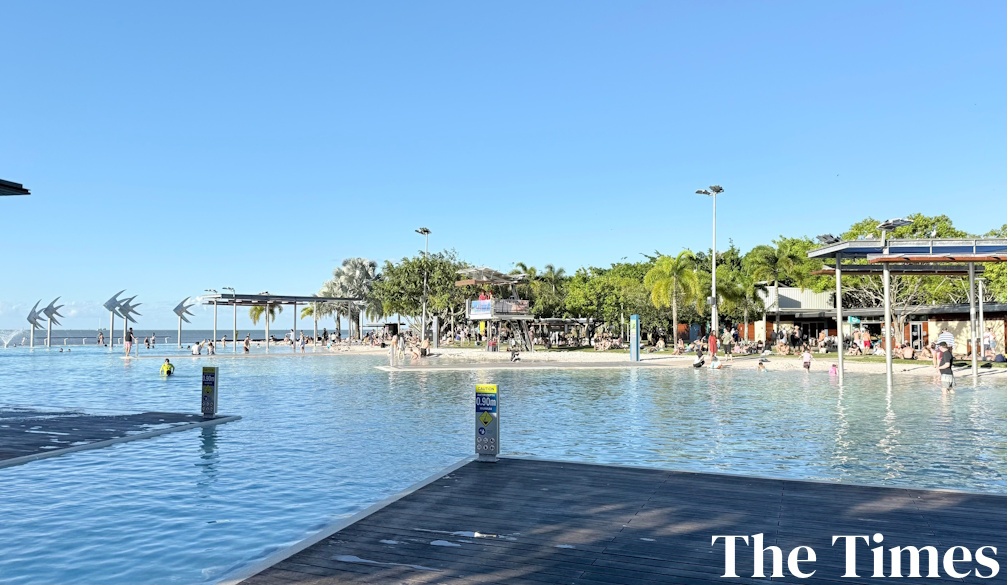
Globally, the most efficient air cooling was observed in botanical gardens, wetlands, green walls, street trees and vegetated balconies. In light of this, the research team conducted a global review of the effectiveness of green-blue-grey infrastructure (GBGI) in air cooling. GBGI refers to green infrastructures that encompass naturally vegetation-based elements like trees, grass and hedges; blue infrastructures are related to water-based features like pools, lakes and rivers; and grey infrastructures comprise engineered structures including green walls, green facades and roofs.
The Study revealed regional and city-specific variations in the effectiveness of GBGI for mitigating urban heat. In Europe, Asia, North America and Australia, the overall cooling effect of GBGI is up to 18.9°C, 17.7°C, 12°C and 9.63°C respectively. In addition, the implementation of green and blue infrastructures has proven to be highly effective in lowering air temperatures globally. While green infrastructures can regulate urban heat through evaporation, transpiration, shading and thermal insulation, blue infrastructures absorb heat and cool the surrounding area through evaporation.
In Asian cities, constructed grey infrastructures, especially roof gardens and pergolas, are found to be the most effective for urban cooling. Roof gardens in Singapore achieved the most significant temperature reduction of 17.7°C. Pergolas and green roofs in Japan and South Korea also had substantial impact, resulting in cooling temperatures by 16.2°C and 10.8°C, respectively. Linearly planted hedges and street trees contributed to lowering temperatures by up to 10.8°C. Authorities are advised to plant more street trees, not only for their impressive cooling efficiency but also for their substantial potential to create other positive environmental impacts.
The Study also showed notable effects of various GBGI features in mitigating urban heat in Mainland China cities. The most effective means include botanical gardens, wetlands, green walls and attenuation ponds which exhibited temperature reductions of up to 10°C, 9.27°C, 8°C and 7°C respectively. Although the cooling effect ranges are generally similar in the north and south of China, there is variability within the same region. For example, in Beijing, botanical garden could result in up to 10°C temperature decrease while that in Shaanxi province only contributed to 2.7°C. In Hong Kong, parks, green roofs and golf courses were found to play substantial roles in cooling urban heat, resulting in temperature reductions of 4.9°C, 4.9°C and 4.2°C respectively.
A "Shining City Project" was proposed by the Hong Kong government in last year's Policy Address to enhance urban green space. This initiative includes the greening of riverbanks to turn them into flower viewing points and the extensive planting of trees in government venues and at roundabouts on major roads.
Prof. Guo said, "With their distinctive location and natural environment, the types of GBGI in Hong Kong are unique. The city features a network of oceans, rivers, wetlands and reservoirs, with remarkable vegetation cover, encompassing approximately 70% of its land area of which country parks occupy around 40%, and possesses a precious natural asset in the Victoria Harbour. Meanwhile, the Government actively promotes GBGI in new development areas and the adoption of green building design in new government projects. These forward-looking initiatives highlight Hong Kong's dedication to sustainable and resilient urban development."
Globally, the types of GBGI vary significantly across continents due to diverse regional contexts, climate conditions and urban planning priorities. The Study's GBGI heat mitigation inventory can assist policymakers and urban planners in prioritising effective interventions to reduce the risk of urban overheating and promote community resilience. At this point, the research team has introduced a nine-stage framework to facilitate the implementation of GBGI that outlines stages of stakeholder engagement, feasibility studies, design, policy development, implementation, monitoring, evaluation, and eventual upscaling and replication.
Prof. Guo emphasised, "This framework serves as a strategic roadmap, optimising GBGI implementation to maximise benefits. Policymakers should conduct thorough investigation and planning tailored to the specific context and needs of their cities. In Asia, the extensive development of GBGI is a response to challenges posed by rapid urbanisation and cultural preferences that prioritise green areas for community activities, together with environmental goals focused on biodiversity conservation, improved air quality and mitigation of the urban heat island effect. It is crucial for future GBGI implementation to adopt a holistic approach, optimising their multifunctional benefits to effectively address sustainability goals."
Hashtag: #PolyU
The issuer is solely responsible for the content of this announcement.