The Times Australia
Google AI
News From Asia

.

30 Years of BODY WORLDS - A Success Story That Has Changed the Way We See Ourselves

HEIDELBERG, GERMANY - Newsaktuell - 15 September 2025 - Exactly 30 years ago today, on September 15, 1995, a new chapter in the history of exhibitions was opened in Tokyo — one that remains unparalleled worldwide: the premiere of the first BODY WORLDS exhibition at the Tokyo National Science Museum, held on the occasion of the 100th Annual Meeting of the Japanese Anatomical Society.
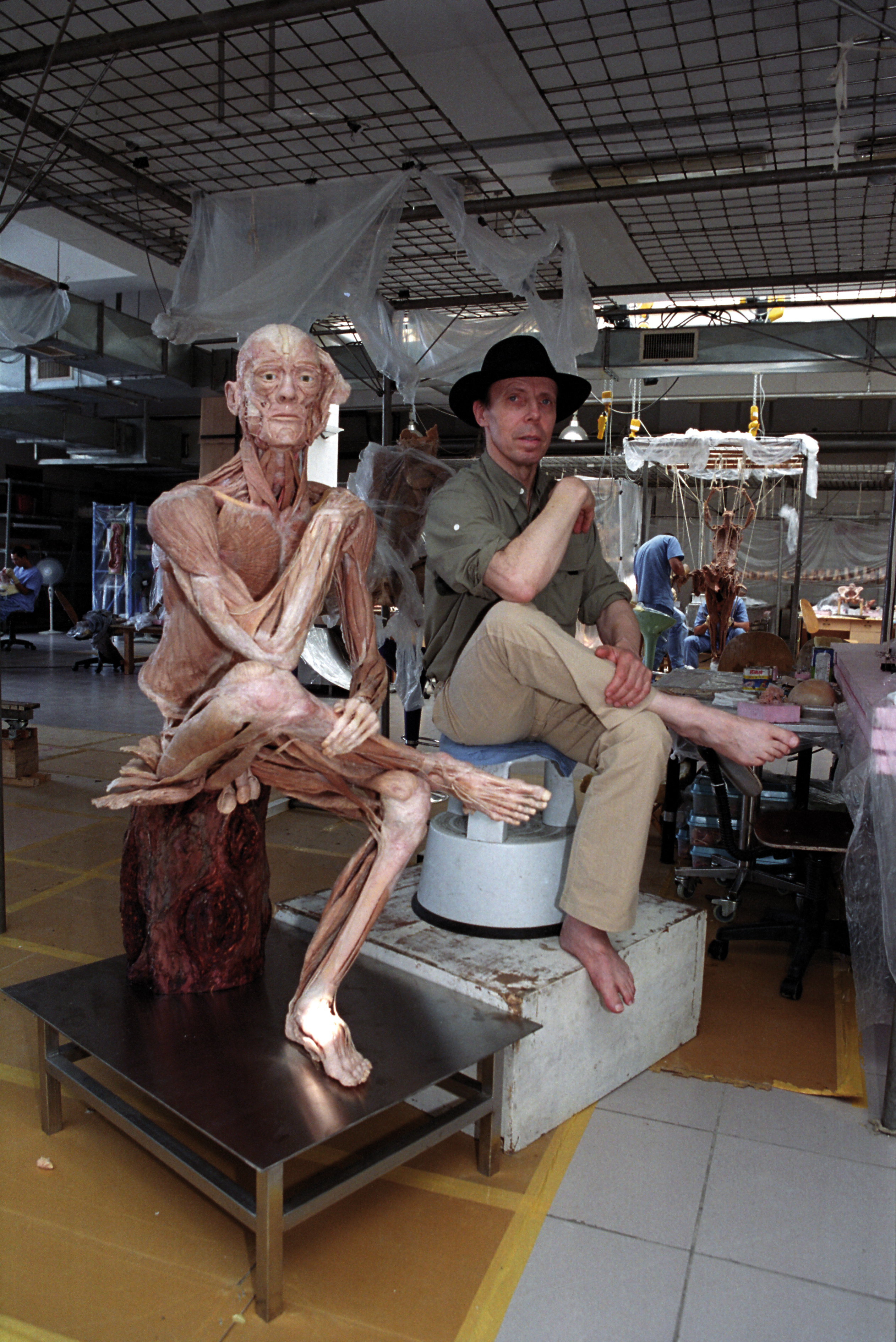


Gunther von Hagens privat copyright: Institute for Plastination, Heidelberg/Germany

What no one could have foreseen at the time: this opening marked the beginning of an extraordinary success story. BODY WORLDS made the invisible visible — for the first time, millions of visitors gained fascinating insights into the human body in a way that had never been possible before.

Since then, more than 57 million people in over 170 cities and 42 countries across six continents have experienced the exhibitions. BODY WORLDS is now considered one of the most successful and influential exhibition concepts in the world.

The foundation for this success was laid by Dr. Gunther von Hagens with the invention of Plastination. What was once reserved for medical professionals became accessible and understandable to all through his technique.
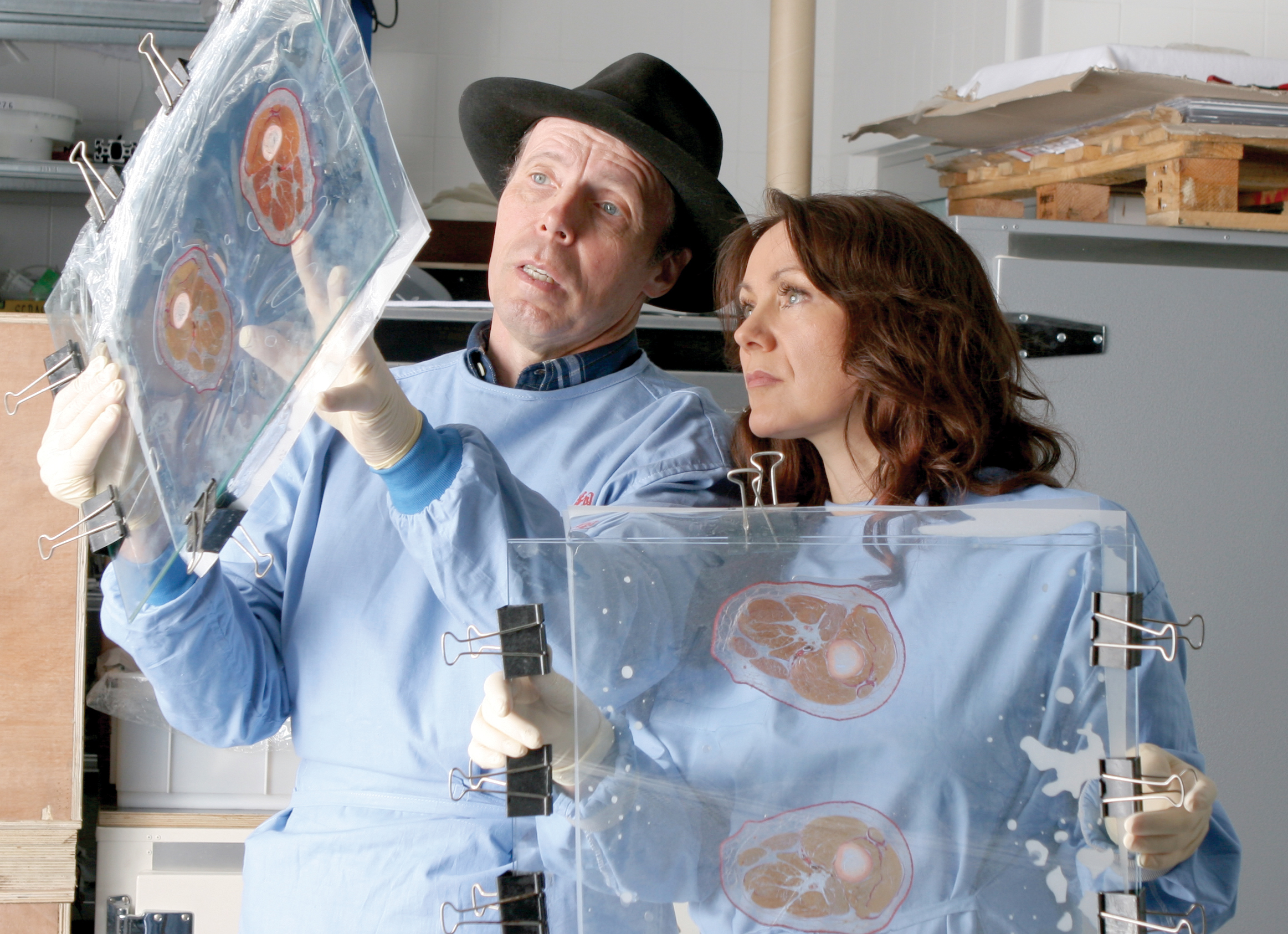
Gunther von Hagens privat copyright: Institute for Plastination, Heidelberg/Germany

"From the very beginning, my goal was to democratize anatomy. I wanted to give people the opportunity to look inside themselves – not to break taboos, but as an invitation to gain knowledge of, respect, and responsibility for their own bodies," explains von Hagens.

"BODY WORLDS has fundamentally changed the way we understand the human body and has contributed to a new culture of education about health and life," adds Dr. Angelina Whalley, the exhibition's curator, who has shaped the conceptual design from the start.

Even three decades after its debut, BODY WORLDS has lost none of its relevance – thanks to its universal subject: the human being. In an age of rapid change, digital overstimulation, and constant motion, the exhibition offers a rare moment of pause and reflection. Even the harsh criticism at the beginning — which emerged solely in Germany — has not changed this. Today, BODY WORLDS provides direct access to one's own body, promotes health awareness, and encourages people to take responsibility for their lives.

It is precisely this combination of scientific education, personal relevance, and emotional impact that makes the exhibition timeless — and meaningful to every new generation.

30 Years of BODY WORLDS — a celebration of life that moves, inspires, and transforms people.

Discover our jubilee film on https://bit.ly/BW_AnniversaryFilm

- Picture is available at AP -

The issuer is solely responsible for the content of this announcement.

Times Magazine

With Nvidia’s second-best AI chips headed for China, the US shifts priorities from security to trade

This week, US President Donald Trump approved previously banned exports[1] of Nvidia’s powerful ...

Navman MiVue™ True 4K PRO Surround honest review

If you drive a car, you should have a dashcam. Need convincing? All I ask that you do is search fo...

Australia’s supercomputers are falling behind – and it’s hurting our ability to adapt to climate change

As Earth continues to warm, Australia faces some important decisions. For example, where shou...

Australia’s electric vehicle surge — EVs and hybrids hit record levels

Australians are increasingly embracing electric and hybrid cars, with 2025 shaping up as the str...

Tim Ayres on the AI rollout’s looming ‘bumps and glitches’

The federal government released its National AI Strategy[1] this week, confirming it has dropped...

Seven in Ten Australian Workers Say Employers Are Failing to Prepare Them for AI Future

As artificial intelligence (AI) accelerates across industries, a growing number of Australian work...

The Times Features

I’m heading overseas. Do I really need travel vaccines?

Australia is in its busiest month[1] for short-term overseas travel. And there are so many thi...

Mint Payments partners with Zip Co to add flexible payment options for travel merchants

Mint Payments, Australia's leading travel payments specialist, today announced a partnership with ...

When Holiday Small Talk Hurts Inclusion at Work

Dr. Tatiana Andreeva, Associate Professor in Management and Organisational Behaviour, Maynooth U...

Human Rights Day: The Right to Shelter Isn’t Optional

It is World Human Rights Day this week. Across Australia, politicians read declarations and clai...

In awkward timing, government ends energy rebate as it defends Wells’ spendathon

There are two glaring lessons for politicians from the Anika Wells’ entitlements affair. First...

Australia’s Coffee Culture Faces an Afternoon Rethink as New Research Reveals a Surprising Blind Spot

Australia’s celebrated coffee culture may be world‑class in the morning, but new research* sugge...

Reflections invests almost $1 million in Tumut River park to boost regional tourism

Reflections Holidays, the largest adventure holiday park group in New South Wales, has launched ...

Groundbreaking Trial: Fish Oil Slashes Heart Complications in Dialysis Patients

A significant development for patients undergoing dialysis for kidney failure—a group with an except...

Worried after sunscreen recalls? Here’s how to choose a safe one

Most of us know sunscreen is a key way[1] to protect areas of our skin not easily covered by c...