Wuxi’s Liangxi District: Where 3,000 Years of Jiangnan Culture Thrives
WUXI, CHINA - Media OutReach Newswire - 5 December 2025 - When UNESCO officially named Wuxi as China's first "UNESCO City of Music" on October 31, it inspired French music blogger and Chinese cultural enthusiast Alice Roche to write the evocative, bilingual song, L'Âme de Wuxi (The Moon Shadow over Liangxi).
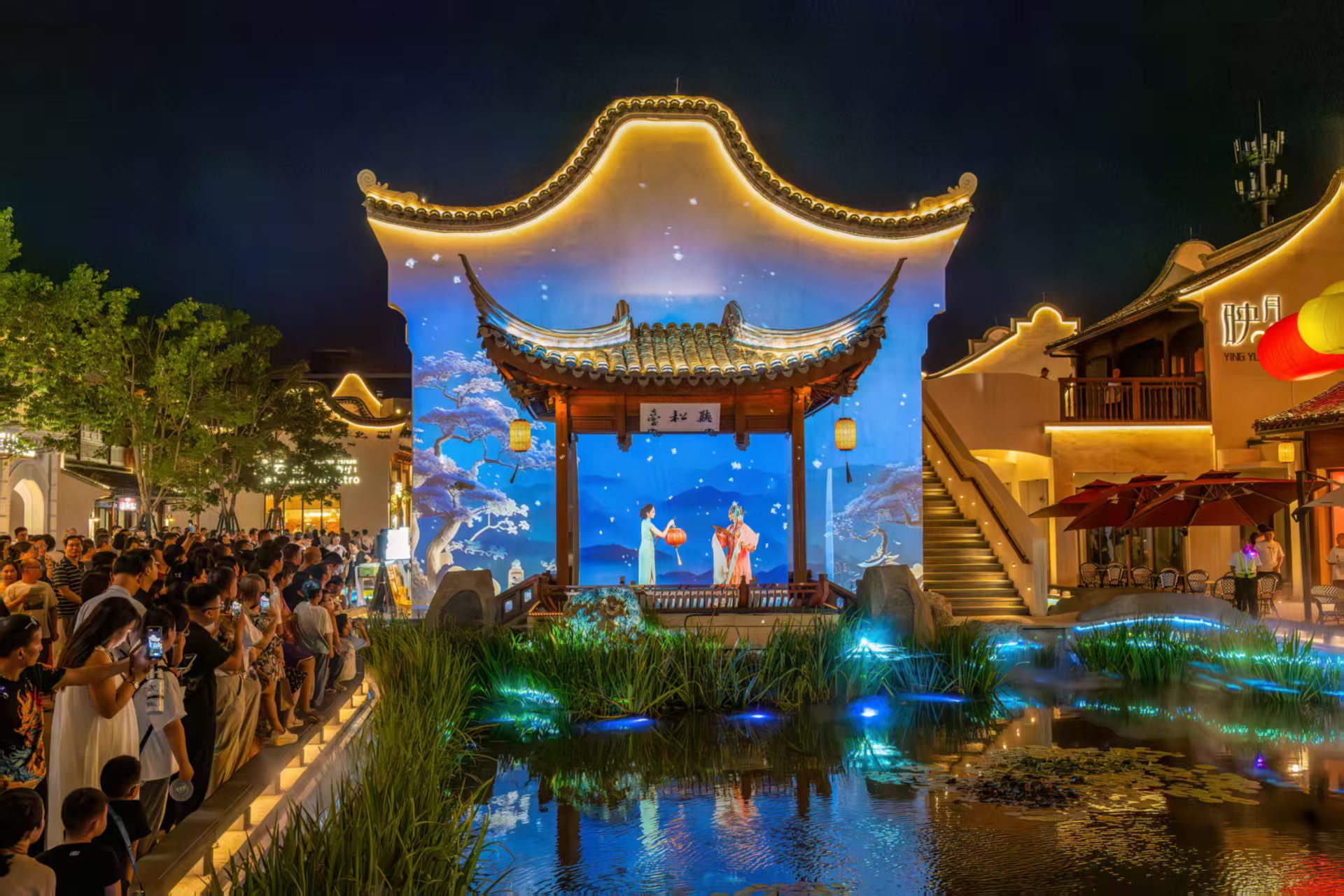
Spectators gather to watch a performance of Wuxi Opera at the modern YingYueli Cultural Block in Liangxi, China.
Roche's poetic lyrics, "Liangxi water, soaking the moonlight of the past; Huishan spring, gently singing of times gone by," perfectly capture the soul of the city. The name Liangxi is an ancient alias for Wuxi, carrying 3,000 years of history and now referring to the city's central district, which is the "Core Zone of the Jiangnan Cultural Artery." Traversed by the Beijing-Hangzhou Grand Canal, Liangxi is where history is not merely a static relic, but a vibrant current connecting an ancient past with a boundless future.
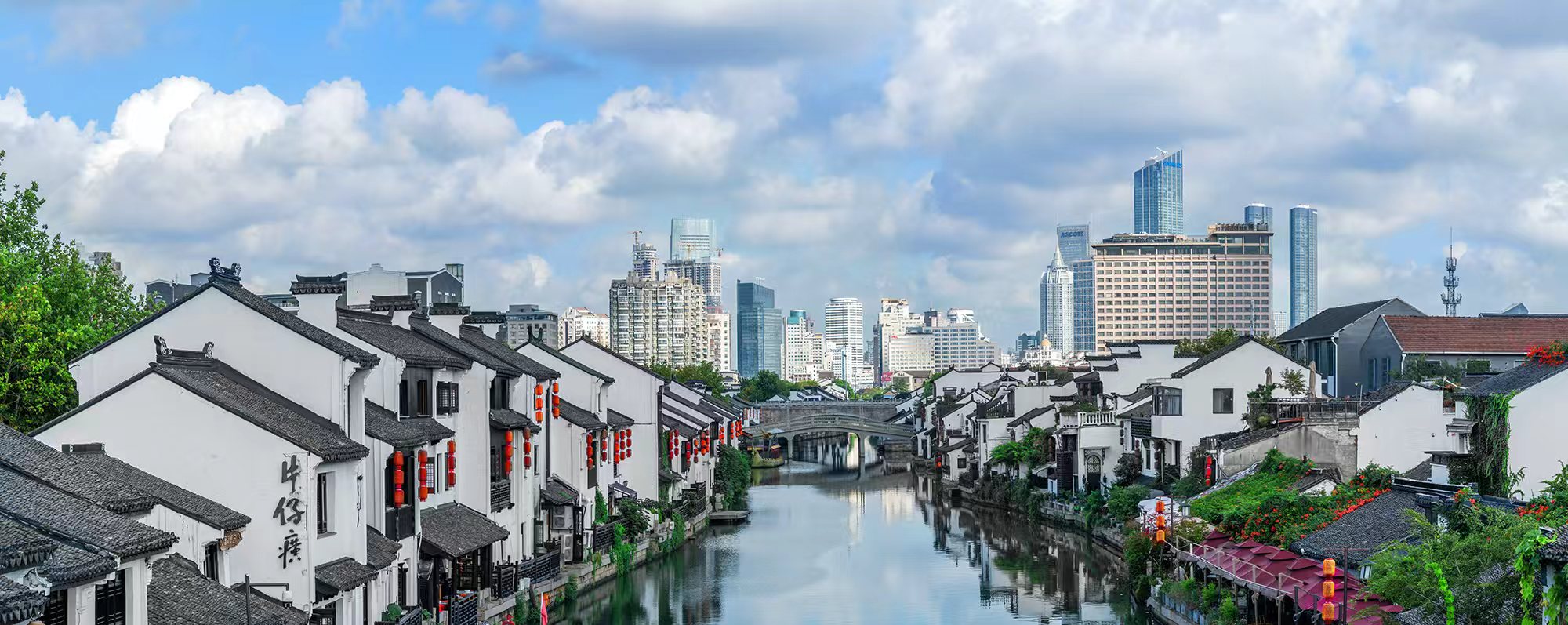
Ancient waterway meets the future: The Grand Canal flows past the city's modern high-rises.
The Flow of a Millennium-Old Cultural Artery
Liangxi's enduring life force stems directly from the Grand Canal, which not only ensured commercial prosperity but also allowed culture to ebb and flow, nurturing the unique water-town ambiance and fostering a fertile ground for music.
In the Qingming Bridge Historical and Cultural Block, the traditional Jiangnan (south of the lower Yangtze River) water lanes are perfectly preserved. Here, the plop of sculling oar boats blend with the delicate melodies of Pingtan (a traditional folk art of storytelling and ballad singing) drifting from teahouses, and the lyrical strains of the erhu (a traditional Chinese two-stringed bowed musical instrument) – classic Jiangnan music that embodies Liangxi's core musical identity.
The Huishan Ancient Town blends deep humanistic tradition with musical characteristics. Nourished by the famed "The Second Spring Under Heaven," the town is home to over a hundred ancestral halls, functioning as living museums of Jiangnan culture. Its central ancient theater stage remains a vital venue where the melodious Wuxi Opera blends with the gentle sounds of the spring's flow, symbolizing Liangxi's musical heritage.
Modern urban renewal has further propelled this culture. The YingYueli Cultural Block, named after the famous folk piece Erquan Yingyue (The Moon's Reflection on the Second Spring) creatively integrates historical architecture with modern trends. Ancient walls house trendy boutiques, while squares near the ancient stage host street artists, where jazz and electronic music converse with traditional Pingtan, revitalizing the ancient cultural pulse.
The Flow of Humanistic Thought
Liangxi's legacy is further magnified by the intellectual giants it has produced. Music acted as a vital nutrient for these thinkers.
Chinese scholar and humanist Qian Mu, in his writing, recalled the peaceful influence of Jiangnan music during his youth in Liangxi. Literary master Qian Zhongshu subtly wove the local opera and folk tunes into his nuanced descriptions of Jiangnan life in his novel Fortress Besieged. Furthermore, the Rong Family, pioneers of modern Chinese industry and commerce, repeatedly supported local music societies, ensuring the continuation of the local art form.
This spirit persists today. Guqin (a plucked seven-string Chinese musical instrument) music accompanies morning readings at the Donglin Academy, an influential institution in Liangxi originally built in 1111 AD, and modern singers share the stage with traditional Pingtan artists at cultural salons. This blend of master heritage and artistic nourishment has imbued the people of Liangxi with an inclusive, elegant, and creative character.
The Flow of Culinary Flavors
The final, gentle embodiment of Liangxi's identity is found in its cuisine. Sustained by the Grand Canal, Liangxi gastronomy offers both the refinement of Jiangnan cuisine and the warmth of local flavors.
The Wuxi Xiaolongbao (soup dumplings) are iconic, featuring a paper-thin skin over rich broth and meat, traditionally eaten with ginger and vinegar. The classic Wuxi Spareribs, with their signature bright red glaze and tender texture, stand as one of Jiangsu's top ten dishes. Other local delicacies like the soft, juicy fried gluten balls stuffed with meat, and the sweet, fragrant osmanthus porridge further reflect the region's warm, nourishing essence.
Liangxi is the heir to the Grand Canal's culture, the practitioner of its City of Music status, and the purveyor of authentic Jiangnan taste. The district seamlessly blends the weight of history with contemporary vitality to write its own unique "Jiangnan Style," fueled by its deep connection to the water and its vibrant musical soul.
Hashtag: #Liangxi
The issuer is solely responsible for the content of this announcement.