Maximising Space: How to Use Packing Cubes for Stress-Free Travel
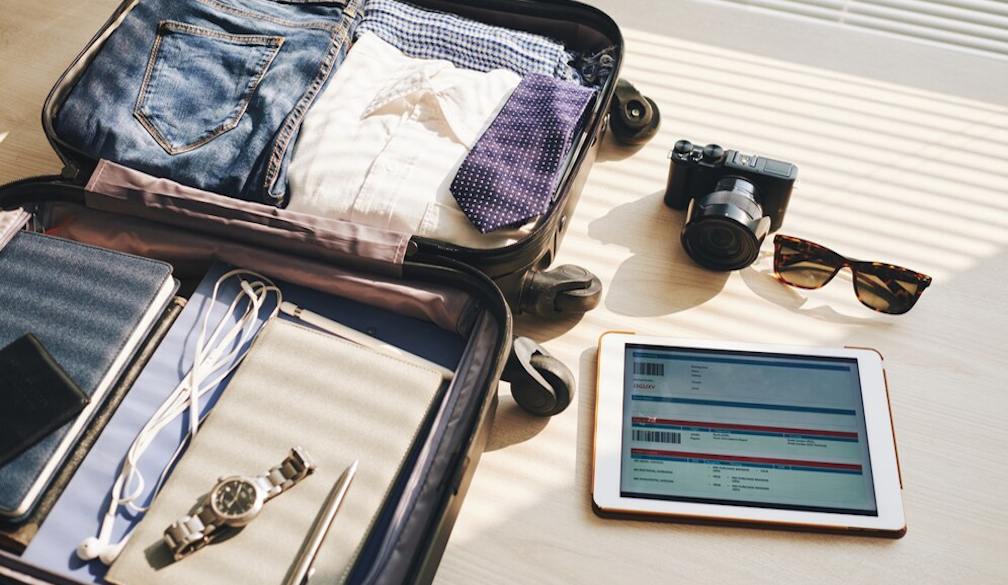
Do you wish you could pack more efficiently and maximise your limited suitcase space?
Packing cubes are a game-changer to organising and maximising space in your luggage. These lightweight, rectangular fabric containers allow you to compartmentalise your items. This makes it easy to find what you need without unpacking your entire bag.
Whether you're heading off on a weekend getaway or going on a month-long adventure, packing cubes can revolutionise your travels. They help you avoid the frustration and hassle of rummaging through a mess of clothes and essentials.
INDEX
Step 1: Select the Right Packing Cubes
Step 3: Roll or Fold Your Clothes
Step 4: Pack Each Cube Strategically
Step 6: Keep Essentials Accessible
Special Uses for Packing Cubes
What Are Packing Cubes?
Packing cubes are small, rectangular fabric bags that fit into your suitcase like drawers in a dresser. They come in various sizes and allow you to compartmentalise your belongings. Most packing cubes have zipper closures and mesh panels, which provide visibility and ventilation.
Here are some common benefits of using packing cubes.
- Organisation. Compression bags help organise your items. They make it easier to find what you need without rummaging through your entire suitcase.
- Maximised space. By compressing your clothes and fitting them neatly into your luggage, carry-on packing cubes help you utilise every inch of space.
- Ease of packing and unpacking. The best packing cubes allow for quick packing and unpacking. Simply transfer the cubes from your suitcase to the hotel drawers.
- Minimised wrinkles. Rolling clothes and placing them in smaller packing cubes can reduce wrinkles and keep your garments in better condition.
- Simplified security checks. If you need to open your bag for security checks, regular packing cubes keep your belongings contained and organised.
How to Use Packing Cubes
If you've ever struggled with packing a suitcase, you're in for a treat with these little organisational gems. Here are steps to use them effectively and turn your chaotic packing process into a breeze.
Step 1: Select the Right Packing Cubes
First things first, you need the right tools. Not all travel packing cubes are created equal, so here's what to look for:
- Get a set that includes small, medium, and large cubes. You'll need different sizes for different types of items.
- Go for lightweight, durable materials. Mesh panels are a bonus because they let you see what's inside each cube.
- If you're really tight on space, compression cubes with an extra zipper can help squeeze out the air and minimise the volume of your clothes.
Step 2: Categorise Your Items
Now that you have your cubes, it's time to sort your stuff. Think of this as creating mini-drawers for your suitcase.
Separate your tops, bottoms, underwear, accessories, and toiletries. This way, you won't have to dig around for a pair of socks. If you're travelling with family, colour-coding each person's cubes can save a ton of hassle.
Step 3: Roll or Fold Your Clothes
Next up, decide how you want to pack your clothes. Rolling is a popular method because it's one way of saving space and reducing wrinkles, but folding can be better for bulkier items.
Roll each item tightly and place it into the cube. This works great for t-shirts, jeans, and casual wear. For dressier clothes, folding might be better. Stack your folded items neatly in the cube. This is ideal for dress shirts, blazers, and pants.
Step 4: Pack Each Cube Strategically
Use these for socks, underwear, and small accessories. They fit nicely into the corners and gaps of your suitcase. These are perfect for shirts, skirts, and shorts.
Roll or fold your items and pack them tightly. Reserve these for bulkier items like sweaters, jackets, or multiple pairs of pants.
Step 5: Fill Your Suitcase
With your cubes packed and ready, it’s time to arrange them in your suitcase.
Start with the largest cubes at the bottom. Place medium cubes on top, and tuck small cubes into any remaining spaces. Fill in gaps with small items like belts, chargers, or a travel-sized toiletry bag.
Step 6: Keep Essentials Accessible
You know those things you always need on the go, like toiletries or a change of workout clothes?
Pack a separate cube for these essentials and keep it on top or in an easy-to-reach spot in your suitcase. This way, you won't have to rummage through your neatly packed bag at the airport or hotel.
Special Uses for Packing Cubes
Compression packing cubes aren’t just for clothes. They can help you organise almost anything you take on a trip.
- Toiletries: Use a waterproof packing cube to keep your toiletries contained and prevent spills.
- Electronics: Gather your chargers, cables, and gadgets in one cube to avoid tangled cords and ensure everything is easy to find.
- Shoes: Keep your shoes separate from your clothes in their own cube to prevent dirt and odours from spreading.
- Laundry: Pack an extra cube for dirty clothes. This keeps your clean clothes fresh and makes it easier to sort laundry when you get home.
Final Thoughts
Are packing cubes worth trying?
Organisers or packing cubes are a traveller's best friend. They keep your suitcase organised, save space, and make your packing and unpacking process so much smoother.
Once you use them, you’ll wonder how you ever travelled without them. So next time you’re getting ready for a trip, give compression bags a try – your future self will thank you!