Australia and Republic of Korea sign new deals on clean energy tech and critical minerals
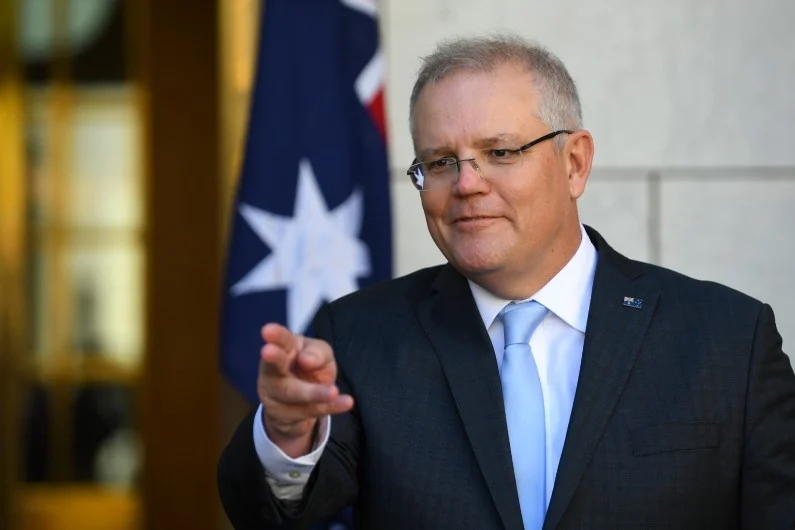
Australia and the Republic of Korea have cemented their commitment to a net zero emissions future, by agreeing detailed work plans on clean energy technology and critical minerals.
This follows the high-level partnership agreed between leaders ahead of the COP26 Summit in Glasgow.
Prime Minister Scott Morrison said the two nations shared a commitment to technology-led solutions in approaching the challenges and opportunities of climate change.
“We committed to working together over the next decade and beyond to develop and drive the uptake of low and zero emission technologies,” the Prime Minister said.
“Australia and the Republic of Korea share a joint commitment to ambitious action to achieve the goals of the Paris Agreement, and to make sure we make the most of new technologies which will help lower emissions while also growing our economies and creating jobs.
“This agreement is the next step in identifying real-world opportunities and nailing down a collective approach to funding.
Australia has announced an initial commitment of $50 million to the Partnership, with the Republic of Korea to match Australia’s funding contribution subject to domestic processes. Together, the governments are aiming to invest up to $100 million towards initiatives under the Partnership.
Minister Taylor said the Low and Zero Emissions Technology Partnership would strengthen cooperation on low emissions technologies which would be crucial to help Australia achieve its Long Term Emissions Reduction Plan.
“We look forward to collaborating on a range of new technologies, with initial focus on initiatives in clean hydrogen and other derivatives; low emissions iron ore and steel; and carbon capture and storage,” Minister Taylor said.
“Our two countries share the ambition of advancing the development and commercialisation of low and zero emissions technologies so they can achieve cost parity with high-emitting technologies as soon as possible.”
The Partnership recognises the shared commitment between Australia and the Republic of Korea to reduce emissions while growing economies and creating jobs, and builds on partnerships already entered into with Germany, Singapore, Japan and the United Kingdom.
The Prime Minister said the new critical minerals partnership between Australia and the Republic of Korea complemented the clean energy technology cooperation between the two countries.
“Australia and particularly Western Australia has significant reserves of the critical minerals that will be essential to future technologies not just in energy but across a range of industries,” the Prime Minister said.
“More and more countries are realising the untapped opportunities we have right here for critical minerals exports, and this partnership isn’t just about developing those but also helping secure those essential supply chains.”
Minister for Science and Technology Melissa Price said the Partnership presents an opportunity to expand cooperation on clean technologies and critical minerals.
“Commercial cooperation and investment from the Republic of Korea in Australian critical minerals will create new jobs across Australia, particularly in regional areas,” Minister Price said.
“Australia is blessed with strong reserves of critical minerals, and these precious resources will drive the new energy economy into the future.”