

With better standards, we could make plastics endlessly useful – and slash waste. Here's how
- Written by Qamar Schuyler, Research Scientist, Oceans and Atmospheres, CSIRO
If you flip over a plastic food container, you’ll see tiny writing on it – something like “AS 2070”. This means the product meets the Australian standard for plastics safe to use for food.
These often unrecognised standards are a part of daily life. Australia has a set of exacting standards which set quality benchmarks for many products. They act as guidelines for design and manufacture of plastic items, shaping the specific polymers used, the ability to use recycled content, and compostability.
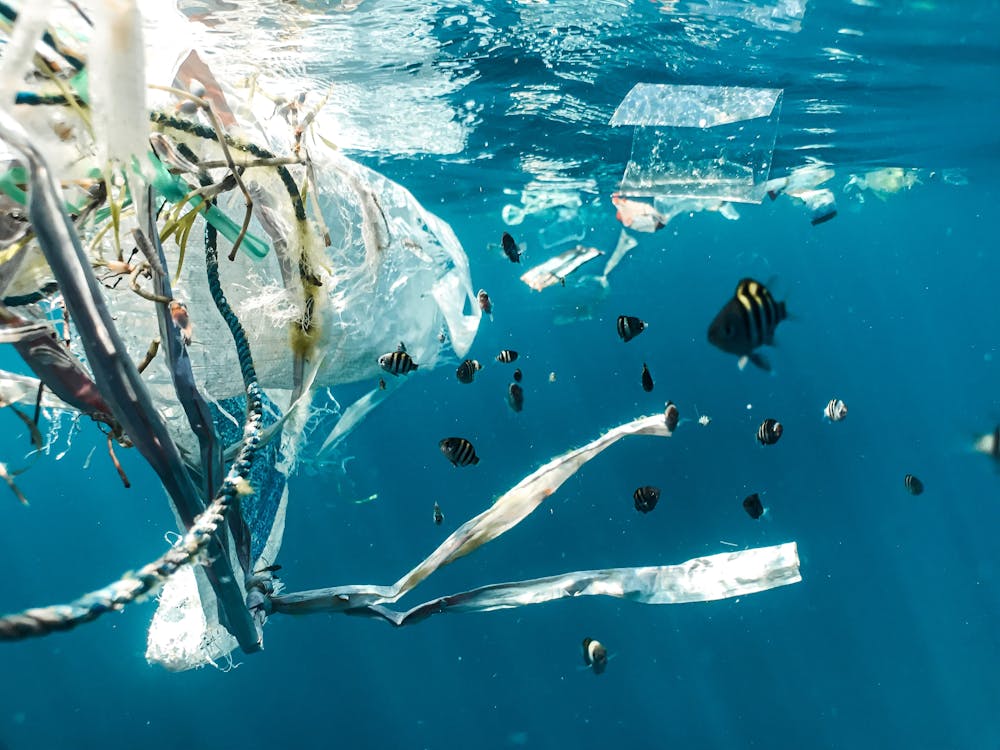
There’s a real opportunity to do more here. The issues of plastic waste in our seas[1] and the effects on wildlife[2] are catalysing major public concern. Part of the problem of plastic waste is the difficulty of reusing many types of plastics as the feedstock for new products. We also need stronger incentives to reduce plastic in manufacturing and design.
That’s where standards can come in. The European Union has used standards[3] and legislation to nudge the plastics industry towards a true circular economy. This means minimising the use of plastic where possible, while ensuring old plastics can be turned into new products rather than turning into waste which could end up in our seas. We can do the same, harnessing standards to reduce plastic waste. How? By requiring companies to minimise plastic packaging and setting guidelines for products to be made of specific polymers while avoiding others.
Our new research[4] found a total of 95 standards. Nine of these are Australian. This means there is a great opportunity for Australian experts to get involved in the national and international standards development process.
Why do standards matter?
Think of standards as guidelines and codes of practice. Standards give product manufacturers a framework for the minimum quality and safety required to be able to sell them in Australia. They also help to provide a common language and enhance compatibility and efficiency across markets.
Globally, standards affect an estimated 80% of the world trade. They have real impact. If a product cannot meet the applicable standard in the country or jurisdiction it is intended for, it won’t be accepted.
Plastic recyclers can use standards to ensure their products meet specific requirements, and so provide quality assurance for manufacturers who buy the recycled plastics to make other products.
Standards for plastic reuse can ensure certain products can be used over and over. Labelling standards can also help us as consumers know which items we can and can’t recycle.
Both industry and government may choose to introduce standards. Standards can also increase consumer confidence, promote social acceptance of recycled products and maintain or increase the value of recycled plastics – a vital step towards a circular economy.
Read more: Here's how the new global treaty on plastic pollution can help solve this crisis[6]
By bringing in new standards for other stages of the plastics supply chain, we could leverage this powerful tool and help standardise parts of the emerging international circular economy in plastics.
Standards could help us reduce waste at all stages of a product’s lifecycle, from design to manufacture to recycling to reuse.
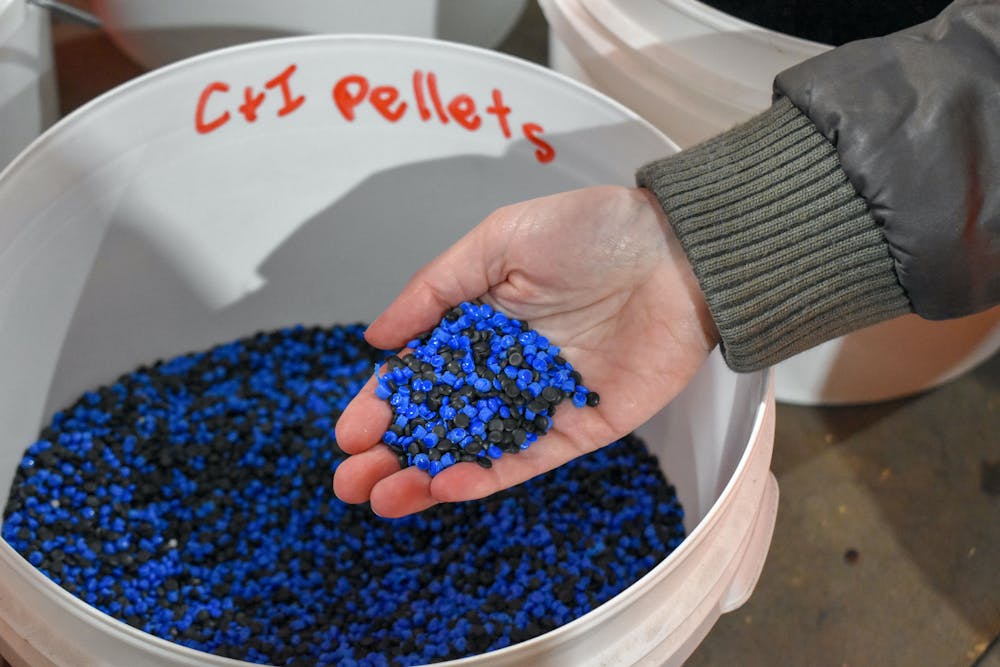 Standards can help ensure plastics can actually be broken down and recycled into new products.
Planet Ark/IQ Renew, CC BY[7]
Standards can help ensure plastics can actually be broken down and recycled into new products.
Planet Ark/IQ Renew, CC BY[7]
What did we find?
We worked with Standards Australia[8] to map existing plastics standards[9] around the world. We also went looking for missing links which, if filled, could help to better manage plastic waste.
The majority of existing plastic standards – both Australian and international – are focused on recycling and recovery or waste disposal parts of plastic’s lifecycle.
To create a true circular economy for plastics, we’ll need to update existing standards and develop more which specifically focus on the early stages of plastic production, such as design or creation of the basic building blocks of plastics.
Think of nurdles, the pea-sized plastic beads produced in their trillions as a key first step to making many plastics. When nurdles spill into the sea, they’re very bad news[10] for wildlife. If we create standards focused on these steps, we can help reduce their impact.
 Tiny plastic nurdles - pre-production plastics - cause real damage to the environment.
Wikimedia, CC BY[11]
Tiny plastic nurdles - pre-production plastics - cause real damage to the environment.
Wikimedia, CC BY[11]
Adding more standards could also help us tackle the challenges around making products reusable and recyclable, as well as cutting how much packaging is needed for products.
We can also use them to help assess biodegradable products, to ensure they don’t make existing waste or recycling streams harder to process.
And importantly, standardising the labelling of products could help us as consumers. Imagine if labels on plastic products included the amount of recycled plastics, as well as a rating of how recyclable or compostable the product was.
This would give manufacturers incentives to make simpler products better able to be recycled. It would also avoid specific problems such as multi-layer plastics which are not cost effective to recycle.
In short, plastic standards are an often overlooked way for us to improve how we use and reuse these extraordinarily versatile modern materials.
Plastics don’t have to become environmentally destructive waste. They can be almost endlessly useful – if we require it.
Read more: Local efforts have cut plastic waste on Australia's beaches by almost 30% in 6 years[12]
References
- ^ plastic waste in our seas (www.nationalgeographic.com)
- ^ wildlife (theconversation.com)
- ^ standards (www.europarl.europa.eu)
- ^ new research (www.mdpi.com)
- ^ CC BY (creativecommons.org)
- ^ Here's how the new global treaty on plastic pollution can help solve this crisis (theconversation.com)
- ^ CC BY (creativecommons.org)
- ^ Standards Australia (www.standards.org.au)
- ^ existing plastics standards (research.csiro.au)
- ^ very bad news (www.theguardian.com)
- ^ CC BY (creativecommons.org)
- ^ Local efforts have cut plastic waste on Australia's beaches by almost 30% in 6 years (theconversation.com)