The Times Australia
Google AI
The Times World News

.

A rapid shift to electric vehicles can save 24,000 lives and leave us $148bn better off over the next 2 decades

  • Written by Hussein Dia, Professor of Future Urban Mobility, Swinburne University of Technology
A rapid shift to electric vehicles can save 24,000 lives and leave us $148bn better off over the next 2 decades

Reducing air pollution from road transport will save thousands of lives[1] and improve the health[2] of millions of Australians. One of the quickest ways to do this is to accelerate the current slow transition to electric vehicles[3].

Our newly published research[4] evaluated the costs and benefits of a rapid transition. In one scenario, Australia matches the pace of transition of world leaders such as Norway[5]. Our modelling estimates this would save around 24,000 lives by 2042. The resulting greenhouse emission reductions over this time would almost equal Australia’s current total annual emissions[6] from all sources.

We also calculated the total costs and benefits through to 2042. Australia would be about A$148 billion better off overall with a rapid transition.

Read more: Australia is failing on electric vehicles. California shows it's possible to pick up the pace[7]

Air pollution causes thousands of deaths

Every year, around 2,600 deaths[8] in Australia are attributed to fine-particle air pollution. The main sources of this pollution are transport and industrial activities such as mining and energy generation.

An estimated 1,715 deaths[9] were attributed to vehicle exhaust emissions in 2015. This was 42% more than the road toll[10] that year.

Vehicle emissions increase respiratory infections as well, particularly in young children[11]. Transport pollution contributes to many diseases[12], including lung cancer, heart disease, pneumonia, asthma and diabetes. It has also been linked to Alzheimer’s disease[13].

A 2019 study[14] by the Electric Vehicle Council and Asthma Australia found vehicle emissions had 21,000 serious health impacts each year in New South Wales alone.

A Grattan Institute study[15] last month showed exhaust-pipe pollutants from trucks kill more than 400 Australians every year.

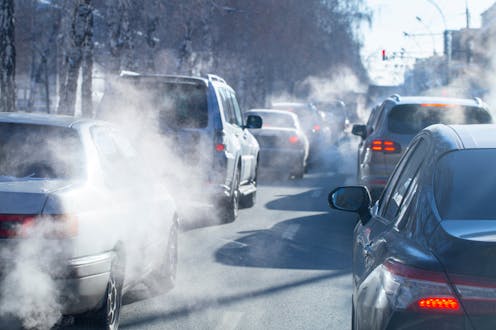
A truck in heavy traffic belches smoke
Cities around the world have imposed bans on polluting trucks to reduce the harm to public health. Shutterstock

Read more: Australia could rapidly shift to clean transport – if we had a strategy. So we put this plan together[16]

The benefits greatly outweigh the costs

Our new Swinburne University of Technology research[17] evaluated the benefits of a transition to electric vehicles by considering public health, household and emissions reductions savings. We compared the benefits with costs, including charging infrastructure outlay, higher purchase prices for electric vehicles and green energy package costs – for household solar panels, battery storage and charging points.

Each electric vehicle was considered to have been bought along with a green energy package. The package minimises emissions and demands on electricity grid capacity, while increasing the benefits for households.

The study explored three scenarios:

  1. slow scenario – business-as-usual, with electric vehicle sales increasing slowly from the current rate (a 5% increase in the first year, followed by a 10% yearly increase)

  2. accelerated market-based scenario – aligns with the highest rates of adoption around the world like those in Norway (where 64% of new vehicles sold[18] in 2021 were battery-powered), increasing by 5% every year

  3. aggressive regulatory scenario – assumes all new vehicle sales would be electric in the base year as a result of government regulation.

The main differences between the scenarios are the rate of electric vehicle uptake (once consumers decide to retire their current vehicles) and the degree of government intervention.

The research found the business-as-usual scenario undermines national efforts to reduce the loss of life and cut emissions. It also found the aggressive strategy would have to overcome massive barriers given Australia trails many other countries in adopting electric vehicles. The accelerated adoption strategy, however, is well aligned with uptake in other nations. Their example shows it can be achieved using progressive policies and incentives. If implemented, the accelerated scenario could reduce the loss of life by around 24,000 by 2042. The reduction in emissions over this time would be 444 million tonnes of carbon dioxide equivalent, or 91% of Australia’s emissions from all sources in 2021[19]. The cost would be around $118 billion, less than half of the total benefits of $266 billion. Read more: Who's holding back electric cars in Australia? We've long known the answer – and it's time to clear the road[20] Putting us on track for emissions targets The new Climate Change Act[21] mandates targets of a 43% cut in emissions by 2030[22] and net-zero emissions by 2050. Our research shows effective electric vehicle policies can help achieve these targets. Such policies can be adopted from nations that have made rapid progress on electrifying their transport sectors. These policies include strict and mandatory fuel efficiency standards, investment in electric vehicle charging stations and standardisation of charging infrastructure. They also include financial incentives to buy and run electric vehicles, and cheap loans to help households and freight operators with purchase costs. Importantly, these nations recognise that electric vehicles are not a remedy for all transport challenges. They should be complemented by strategies to manage travel demand, reduce the numbers of cars and journeys by car, and improve access to public transport. Read more: Four ways our cities can cut transport emissions in a hurry: avoid, shift, share and improve[23] We shouldn’t accept so many avoidable deaths Without a rapid shift to electric vehicles, Australia risks losing at least 1,200 lives a year – deaths that we could avoid – over the next 20 years. The loss of life would be equivalent to six planes, each carrying 200 passengers, falling out of the sky every year and killing everyone on board. We don’t accept this in air travel, and we should not accept the loss of life to preventable air pollution. Australia has a feasible rapid pathway to decarbonise its transport sector. Our findings show the benefits to society and the planet are hard to dismiss.

References

  1. ^ thousands of lives (www.mdpi.com)
  2. ^ improve the health (www.health.vic.gov.au)
  3. ^ slow transition to electric vehicles (theconversation.com)
  4. ^ research (www.sciencedirect.com)
  5. ^ Norway (thedriven.io)
  6. ^ total annual emissions (www.industry.gov.au)
  7. ^ Australia is failing on electric vehicles. California shows it's possible to pick up the pace (theconversation.com)
  8. ^ 2,600 deaths (www.mdpi.com)
  9. ^ 1,715 deaths (nespurban.edu.au)
  10. ^ road toll (www.bitre.gov.au)
  11. ^ particularly in young children (electricvehiclecouncil.com.au)
  12. ^ contributes to many diseases (theicct.org)
  13. ^ linked to Alzheimer’s disease (www.ncbi.nlm.nih.gov)
  14. ^ 2019 study (electricvehiclecouncil.com.au)
  15. ^ Grattan Institute study (grattan.edu.au)
  16. ^ Australia could rapidly shift to clean transport – if we had a strategy. So we put this plan together (theconversation.com)
  17. ^ research (www.sciencedirect.com)
  18. ^ 64% of new vehicles sold (eletric-vehicles.com)
  19. ^ Australia’s emissions from all sources in 2021 (www.industry.gov.au)
  20. ^ Who's holding back electric cars in Australia? We've long known the answer – and it's time to clear the road (theconversation.com)
  21. ^ Climate Change Act (www.aph.gov.au)
  22. ^ 43% cut in emissions by 2030 (www.pm.gov.au)
  23. ^ Four ways our cities can cut transport emissions in a hurry: avoid, shift, share and improve (theconversation.com)


Read more https://theconversation.com/a-rapid-shift-to-electric-vehicles-can-save-24-000-lives-and-leave-us-148bn-better-off-over-the-next-2-decades-190243

Times Magazine

The Voltx Topband V1200 Portable Power Station Review

When we received a Voltx Topband V1200 portable power station for review, a staff member at The Time...

Is E10 fuel bad for my car? And could it save me money?

Fuel has become a precious, and increasingly expensive, commodity. The ongoing Middle East co...

Efficient Water Carts for Dust Control

Managing dust effectively is a critical challenge across numerous industries in Australia. From sp...

How new rules could stop AI scrapers destroying the internet

Australians are among the most anxious in the world[1] about artificial intelligence (AI). This...

Why Car Enthusiasts Are Turning to Container Shipping for Interstate Moves

Moving across the country requires careful planning and plenty of patience. The scale of domestic ...

What to know if you’re considering an EV

Soaring petrol prices are once again making many Australians think seriously[1] about switching ...

The Times Features

Samsung expands B2B Mobile eXperience distribution with Ingram Micro Australia

The channel diversification reinforcers the Australian B2B division’s positive trajectory SYDNE...

Focusing on how and why you eat – not just what – may be the key to healthy eating

When most people think about “healthy eating”, they usually focus on what they eat. That might...

HARRY POTTER™: THE EXHIBITION TICKETS NOW ON SALE!

An Enchanting Exhibition Celebrating the world of Harry Potter Opens in SYDNEY on 14 MAY Get r...

Leader of The Nationals Matt Canavan - Sky News Interview

SKY NEWS TRANSCRIPT WITH HOST PETER STEFANOVIC; FUEL CRISIS; PAGE RESEARCH CENTRE REPORT ON LIQUID F...

Taste Port Douglas 10-year celebration

Serving up more than 40 events across four days, the anniversary edition  promises a vibrant cel...

Is dark chocolate healthier than milk chocolate? 2 dietitians explain

Easter chocolate is all over supermarket shelves. Some people reach straight for milk chocolat...

Compulsory super is higher than ever at 12%. But cutting it would hurt low-paid workers most

A central element of Australia’s superannuation system is the superannuation guarantee[1] (SG). ...

Grants open for port communities across the Hunter and Northern Rivers regions

Local organisations doing important work across the Hunter and Northern Rivers regions are being...

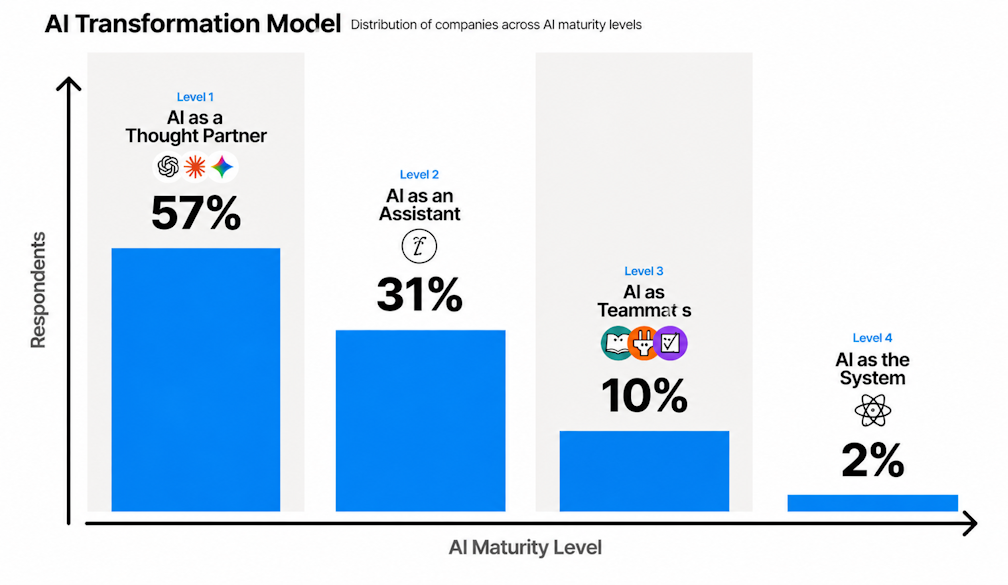
AI Is Already Here. The Question Is Whether Your Business Is Built for It

We sat down with Nirlep Adhikari — CTO at LoanOptions.ai and Founder of Mount Mindforce — to cut...