Experiencing trauma can change some people's outlook on life – sometimes for the better
- Written by: Alix Woolard, Postdoctoral research fellow, Telethon Kids Institute
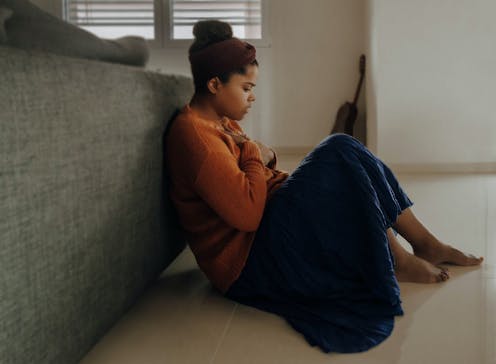
Traumatic experiences are surprisingly common, with about three-quarters[1] of the population dealing with some form of trauma at least once in their lives. This might mean experiencing things like abuse, violence or natural disasters.
Experiencing a traumatic event alone is not enough to cause traumatic stress (a “trauma”). The person experiencing the trauma needs to view the event as highly distressing or life-threatening.
While trauma can be incredibly difficult to process and can leave lasting scars, there is another side to the story: post-traumatic growth.
Post-traumatic growth is the positive psychological change that can occur in response to a traumatic event. It is often mistaken as resilience, which means bouncing back to baseline following adversity. Post-traumatic growth, on the other hand, refers to an improvement in your life or outlook.
Read more: More than half of Australians will experience trauma, most before they turn 17. We need to talk about it[2]
What does this growth look like?
People who have experienced post-traumatic growth describe having a greater appreciation for life, increased personal strength, deeper relationships, a greater sense of spirituality or meaning, or a new sense of possibilities for the future.
Someone who has experienced a traumatic event may decide, for example, to make a career change or start a new hobby. Some people report wanting to give back to the community or others in need after experiencing situations where they needed help after trauma. Or they may begin to prioritise their relationships more or focus on personal growth and self-improvement.
While post-traumatic growth can be a powerful force for positive change, it’s not guaranteed. About one in two people[3] who experience trauma will undergo post-traumatic growth. Younger people and those who experienced trauma recently are more likely to have post-traumatic growth.
Our research[4] has found some common elements that make it more likely for a person to experience post-traumatic growth, regardless of the type of trauma experienced[5].
1. Strong social supports
The most important factor promoting post-traumatic growth is support from friends, family, and those around you after you have experienced a traumatic event. Seeking and accepting social support are crucial, and it can be helpful to reach out to people who have experienced similar trauma through things like support groups.
Research shows the quality of social support[7] is important too. People report more post-traumatic growth if the support they receive comes from people they trust.
Social support is so crucial that some treatments interventions[8] have focused on the use of social networks to improve the recovery of people who have experienced trauma. For example, some post-traumatic stress disorder (PTSD) recovery programs include support groups to help people heal.
Read more: Explainer: what is post-traumatic stress disorder?[9]
2. Coping skills
Coping strategies such as humour, acceptance and focusing on the future are effective at reducing our distress after trauma, and they make it more likely we will heal and find positive aspects in our experiences.
People who experience post-traumatic growth often say they have a greater sense of inner strength and feel better equipped to handle stress and hardship in the future. These types of coping strategies are sometimes inherent, but often they can also be enhanced by therapy.
3. Personality traits
People who tend to be optimistic are more likely to experience post-traumatic growth. Instead of seeing the traumatic event as purely negative, optimistic people are able to find some positive aspects of their experience.
This can be difficult, as traumatic experiences often involve loss, pain, and suffering. However, by finding meaning and purpose in the experience – for example, by sharing their story with others going through similar experiences – people can begin to see themselves and the world in a new light.
Again, this is sometimes inherent, but can be enhanced by engaging with a mental health professional.
Read more: For people with chronic pain, flexibility and persistence can protect wellbeing[10]
Some studies[11] have also found being more extroverted can help people experience post-traumatic growth. This may be because extroverted people are more likely to seek social support because they tend to find themselves in more social situations.
4. Religion or spirituality
Religion often teaches that transformation and power can arise in the face of suffering.
Research[12] shows people who are religious (or spiritual) often experience post-traumatic growth because they have a greater sense of community, pastoral support and a higher meaning behind hardship.
Treatment also prioritises the same factors
The ways people flourish after adversity have helped inform researchers and clinicians on the best ways to treat post-traumatic stress.
Social support, helpful coping and finding meaning are core components of therapies commonly used by people who have experienced adversity, such as trauma-focused cognitive behavioural therapy, family therapy, and trauma-focused acceptance and commitment therapy.
Of course, post-traumatic growth is only part of the story, and it is an ongoing process. Trauma impacts people in many different ways. Sometimes healing from trauma or experiencing post-traumatic growth can be related to factors outside of a person’s control, such as their resources or socioeconomic status.
There are no guarantees a person will experience growth after trauma, but factors like social support, helpful coping, personality traits, and finding meaning make it more likely.
Read more: ‘The reporting process was more traumatising than the assault itself’: LGBTQ+ survivors on accessing support after sexual violence[14]
References
- ^ three-quarters (www.aihw.gov.au)
- ^ More than half of Australians will experience trauma, most before they turn 17. We need to talk about it (theconversation.com)
- ^ one in two people (pubmed.ncbi.nlm.nih.gov)
- ^ Our research (www.mdpi.com)
- ^ regardless of the type of trauma experienced (www.researchgate.net)
- ^ Unsplash/Kulli Kittus (unsplash.com)
- ^ quality of social support (psycnet.apa.org)
- ^ interventions (journals.plos.org)
- ^ Explainer: what is post-traumatic stress disorder? (theconversation.com)
- ^ For people with chronic pain, flexibility and persistence can protect wellbeing (theconversation.com)
- ^ studies (opennursingjournal.com)
- ^ Research (www.tandfonline.com)
- ^ Sam Balye/Unsplash (unsplash.com)
- ^ ‘The reporting process was more traumatising than the assault itself’: LGBTQ+ survivors on accessing support after sexual violence (theconversation.com)