I’m a photographer who wanted to be more present in my life – so I put down the camera
- Written by: Cherine Fahd, Associate Professor Visual Communication, University of Technology Sydney
At a recent electronic music performance, the English duo Rob Brown and Sean Booth, who perform as Autechre[1], plunged Sydney’s City Recital Hall[2] into darkness.
Prior to the performance, I was made aware through the ticket information that the set would be played in the dark. This information made me eager to shut my eyes and completely immerse myself in a pure auditory experience.
However, I wasn’t prepared for the absence of the usual photographic opportunities that come with such events.
Capturing cultural events through smartphone snapshots has become almost instinctive. It’s a common sight to witness thousands of people with raised arms, recording performances for sharing on social media.
The phrase “pics or it didn’t happen” reflects the need to validate an experience by photographing it to share. Yet, in the context of the Autechre concert, this rule couldn’t be applied.
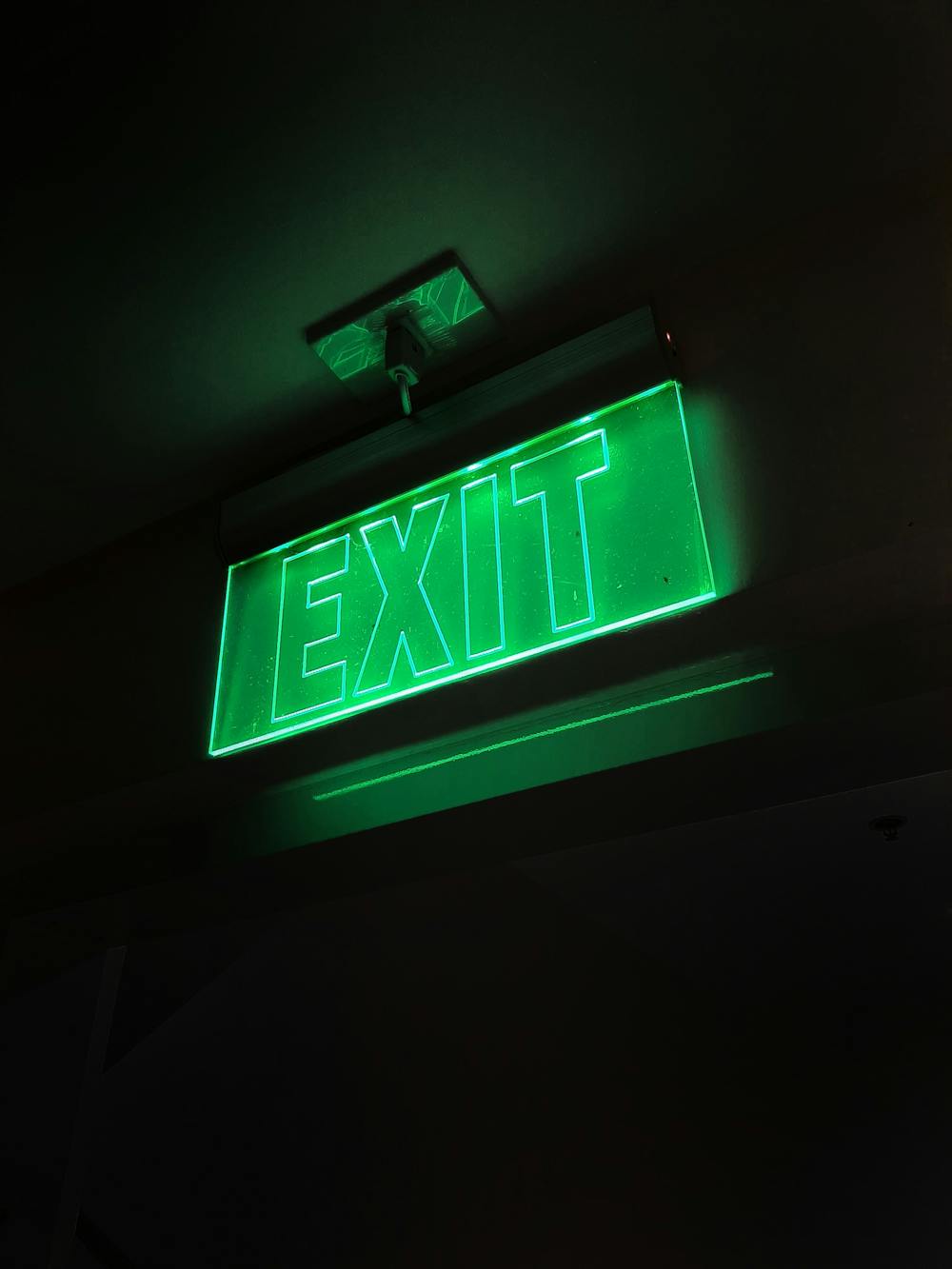
Like everyone else, I refrained from raising my phone to capture the performance, the stage or the light show simply because there were none. Not even the musicians were visible! Only the faint green glow of the emergency exit signs illuminated the recital hall.
Autechre offered not only an auditory feast but also respite from having yet another experience mediated through my phone. My need to photograph everything was thwarted for an hour of sonic bliss.
Read more: 10 months and hundreds of subjects: how I took portrait photography to the streets of Parramatta[3]
Photography detox
This departure from a vision-centric sensory experience was compelling. We are often absorbed in our screens and, if we aren’t, we are witnessing others engrossed in theirs.
This concert created a different communal presence. As I focused on my own auditory journey, I also attuned to the people around me. In the absence of smartphone distraction I wondered whether they felt a deep relief to have nothing to photograph.
The Autechre experience wasn’t like going to the movies, where phones are silenced and we swap the small screen of our smartphones with the big screen of cinema. There was no screen, no image – only sound.
I’m reminded of a period earlier this year when I decided to detox from photographing. The detox lasted two months. My aim was to get off my phone and be more present in my life.
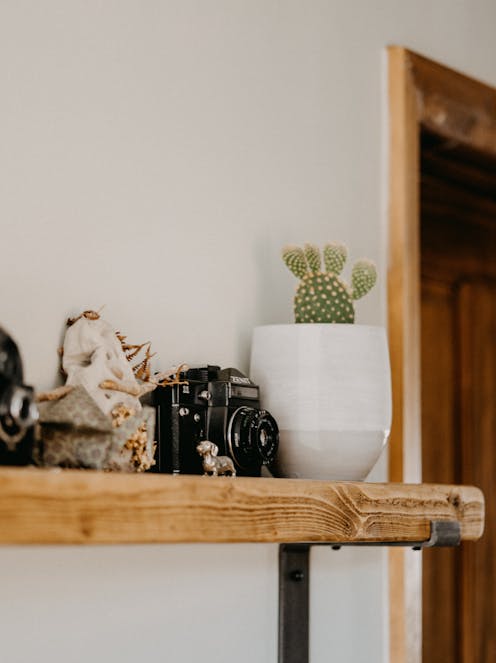
A so-called photographer by profession, it was a challenging endeavour. But then again, we are all photographers today. I imagine it would be challenging for anyone, given how photographing as an act is deeply embedded in daily life and communication with others.
During the detox I observed how the absence of photographing affected me. It led me to quickly explore other forms of creative expression, such as writing lists and jotting down experiences in words. It was a valuable experience, replacing one artistic outlet with another.
The photography detox also shed light on the social aspects of photographing. As someone who actively shares photos on Instagram and sends daily pictures to my friends, I understood that not having new photos to share affected my sociability. I became quiet and withdrawn.
With my gregarious family humming with photo exchanges on WhatsApp, I found myself responding with emojis rather than photographic images. The detox revealed how I use photography to speak to others; how vital photographing is to expressing my personality.
It wasn’t just about photographing to remember; it was an impulse – a reflex triggered by excitement, anxiety, boredom or a need to connect.
I felt the same twitch to reach for my phone throughout the Autechre concert.
Read more: Why are 'photo dumps' so popular? A digital communications expert explains[5]
Completely unphotographable
The late French philosopher Jean-Luc Nancy explored how listening turns us inward, while sight directs us outward. In his 2007 essay Listening[6] Nancy asks:
Why, in the case of the ear, is there withdrawal and turning inward, a making resonant, but, in the case of the eye, there is manifestation and display, making evident?
This question resonates deeply with the concert experience. Autechre provided a forced blackout and an hour to listen without the burden of having to “evidence” myself listening.
The lack of photo ops reminds me of Daniel Libeskind’s architectural provocation Voided Void[7], or Holocaust Tower, in Berlin’s Jewish Museum. Visitors enter the tower in small groups, and the irregularly shaped claustrophobic space is closed off by a heavy door. Once inside, we were left in complete darkness, with only a sliver of light filtering in from the ceiling.
 The Holocaust Tower inside the Liebeskind building of the Jewish Museum in Berlin.
AP Photo/Markus Schreiber
The Holocaust Tower inside the Liebeskind building of the Jewish Museum in Berlin.
AP Photo/Markus Schreiber
In this concrete chamber, every sound was magnified, my heart beat louder and faster, the sound of my shoes on the floor echoed I was alive. My camera was useless.
The Autechre concert encapsulated what the controlled absence of photography and visual stimulus affords. I found myself immersed in complex sounds and literally feeling the physical vibrations of the bass.
With nothing to see with my eyes, I had nothing to photograph. The experience was akin to deep meditation. This made me realise that, despite the lack of sociability experienced during my photo detox, taking photos rarely takes me inward.
I also admit that I was among those who frantically photographed the previous act and the stage manager who stood under a photogenic light when instructing us to go to the bathroom before Autechre’s piece.
I also saw people photographing the concert poster near the box office. How else were they to evidence where they’d been and what they’d seen? In the arts, creating visual content that is photogenic and Instagrammable is the norm.
Autechre were radical in creating an artwork that was totally ephemeral and completely unphotographable.
References
- ^ Autechre (autechre.warp.net)
- ^ City Recital Hall (www.cityrecitalhall.com)
- ^ 10 months and hundreds of subjects: how I took portrait photography to the streets of Parramatta (theconversation.com)
- ^ Kent Banes/Unsplash (unsplash.com)
- ^ Why are 'photo dumps' so popular? A digital communications expert explains (theconversation.com)
- ^ Listening (www.fordhampress.com)
- ^ Voided Void (www.jmberlin.de)