For a ‘future made in Australia’, we need more innovation and diverse people in science and tech
- Written by: Kylie Walker, Visiting Fellow, Australian National University
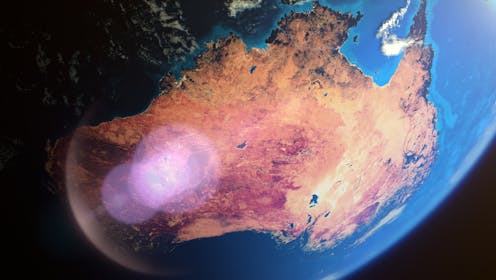
This year’s federal budget is making up for decades of lost time – both in our clean energy transition and in betting on new technological breakthroughs.
The Future Made in Australia Act[1] holds tantalising potential for building Australian science, research and development. The aim is to turn Australia into an innovation and clean technology superpower.
It includes big climate change investments that would leverage our comparative advantage in net-zero technologies[2], such as green hydrogen and battery storage. There’s also the promise to jumpstart new industries by building on our critical minerals assets[3] and growing advanced manufacturing.
Australia has natural advantages in these areas. We have resources such as mineral wealth, abundant sunlight and wind. We also have a solid research and development track record.
Despite this, historic underinvestment in Australian innovation means Australia is starting from the back of the pack[4] compared to partners like the United States, Japan and Germany. These countries spend more than 3% of their GDP on the research and development that powers and future-proofs their economies.
Which raises the question: are the investments announced in this budget in the right places if we’re really going to prime a future-ready Australia underpinned by science and technology? Let’s get into the significant investments aimed at boosting key areas.

A future manufactured in Australia
With the Future Made in Australia policy, the government aims to directly invest in building Australian industry, particularly manufacturing. This would reduce our dependency on other countries and power the net-zero transformation. It would also build up our resilience to shocks, such as increasingly severe and unpredictable weather extremes or global pandemics.
The net-zero investments are promising:
These are areas where we have a comparative advantage in the global supply chain. They are also fundamental for the clean energy jobs of the future.
Overall, it’s the start of strong investments in Australia’s green energy future[5]. However, what will make or break the Future Made in Australia plan will be investment in research and development.
Reviving the innovation sector
Investment in the application of great Australian research, and in the creation and application of new knowledge has been woefully low for years. It remains so in this year’s budget.
Yet, it’s fundamental if we want thriving homegrown manufacturing, particularly in technologies where we have a clear comparative advantage, such as batteries, advanced computing and medical technologies.
Research is also important to create robust industries and support a skilled national workforce.
On this front, the budget contains a research and development review[6]. It is welcome[7], but decades overdue.
The review will need to be accompanied by action, including greater investment from both government and industry to overcome a decade of falling research and development investment[8].
The budget does contain some measures for bolstering modern research and research infrastructure. One example is the recently announced PsiQuantum quantum computer[9] to be built in Brisbane.
Our future prosperity and security depend on investment in the underpinning skills, knowledge and infrastructure that produce discoveries, along with a highly trained future workforce.
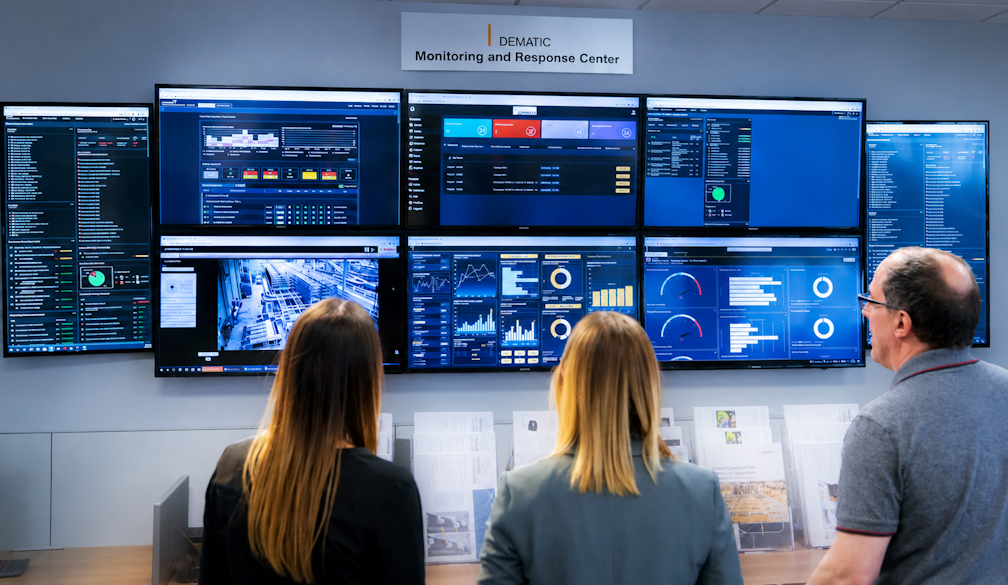
 STEM education is a crucial part of building a highly skilled workforce in Australia that can deliver on the new policy promises.
Dr. Victor Wong/Shutterstock[10]
STEM education is a crucial part of building a highly skilled workforce in Australia that can deliver on the new policy promises.
Dr. Victor Wong/Shutterstock[10]
Educating our future science and technology innovators
With this in mind, STEM (science, technology, engineering and maths) education is also a mixed bag in this year’s budget.
New payments for students with study placements[11] in teaching, nursing and social work are a positive move – but many more degrees with practical placements are not covered, including engineering. We urgently need more engineers, and this shortage will only grow as we transition to clean energy.
Diversity in STEM[12] industries will also be fundamental to addressing our national skill shortages. A welcome measure is the promise of $38.2 million for programs to increase diversity in STEM. These will build on proven initiatives, alongside the Elevate scholarship program[13] delivered by the Australian Academy of Technological Sciences and Engineering.
On the negative side, new restrictions on international student numbers are short-sighted and unmeasured. This decision came with little consultation and will likely reduce the funding universities have available for infrastructure upgrades, research and support for high-quality education.
Overall, the budget provides welcome backing to build clean energy systems and return to homegrown manufacturing. But if we’re really serious about claiming our place as a global innovation and clean energy player, we need to invest properly in Australian science, innovation and people.
References
- ^ Future Made in Australia Act (treasury.gov.au)
- ^ net-zero technologies (www.atse.org.au)
- ^ our critical minerals assets (theconversation.com)
- ^ Australia is starting from the back of the pack (www.atse.org.au)
- ^ Australia’s green energy future (theconversation.com)
- ^ research and development review (www.minister.industry.gov.au)
- ^ is welcome (www.atse.org.au)
- ^ decade of falling research and development investment (www.abs.gov.au)
- ^ recently announced PsiQuantum quantum computer (theconversation.com)
- ^ Dr. Victor Wong/Shutterstock (www.shutterstock.com)
- ^ students with study placements (www.abc.net.au)
- ^ Diversity in STEM (www.industry.gov.au)
- ^ Elevate scholarship program (www.atse.org.au)