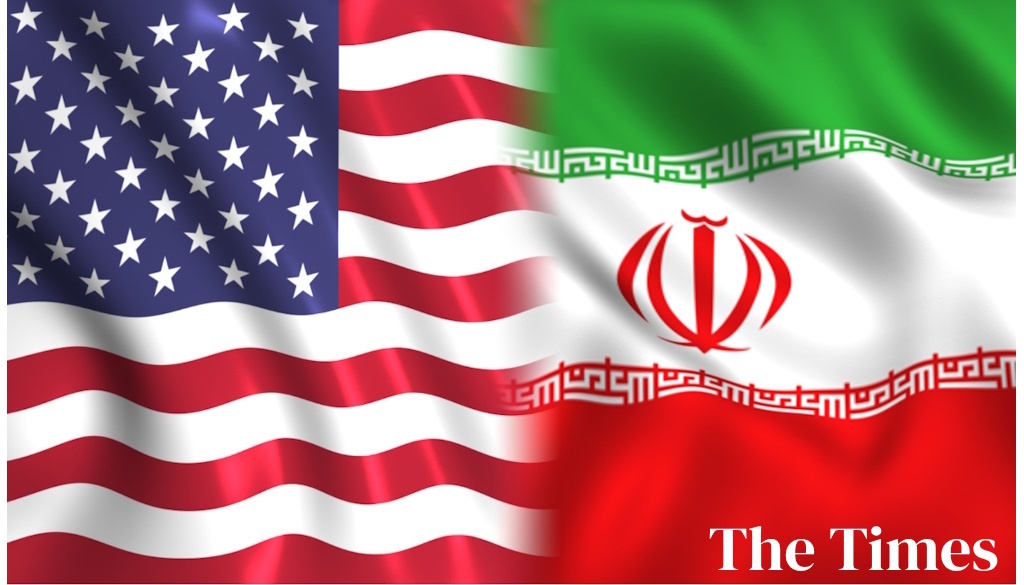
Will Trump’s ceasefire plan really lead to lasting peace in the Middle East? There’s still a long way to go
- Written by: Andrew Thomas, Lecturer in Middle East Studies, Deakin University
The first steps of the peace plan for Gaza are underway. Now both parties have agreed to terms, Hamas is obligated to release all hostages within 72 hours and the Israeli Defence Forces (IDF) will withdraw to an agreed-upon line within the strip[1].
Hopes are high, particularly on the ground in Gaza and in Israel after two years of brutal conflict. Some argue the parties are now closer than ever to an end to hostilities, and US President Donald Trump’s 20-point peace plan[2] may be an effective road-map.
But the truth is we have been here before. Hamas and Israel have now agreed to a road-map to peace in principle, but what is in place today is very similar to ceasefire deals in the past, and a ceasefire is not the same as a peace deal or an armistice[3].
The plan is also very light on specifics, and the devil is definitely in the detail. Will the IDF completely withdraw from Gaza and rule out annexation? Who will take on governance of the strip? Is Hamas going to be involved in this governance? There were signs of disagreement on these issues even before the fighting stopped.
So if the ceasefire steps hold in the short term - then what? What would it take for the peace plan to be successful?
First, the political pressures to refrain from resuming hostilities will need to hold. Once all the hostages are returned, which is expected to take place by Tuesday Australian time, Hamas effectively loses any remaining leverage[4] for future negotiations if hostilities were to resume.
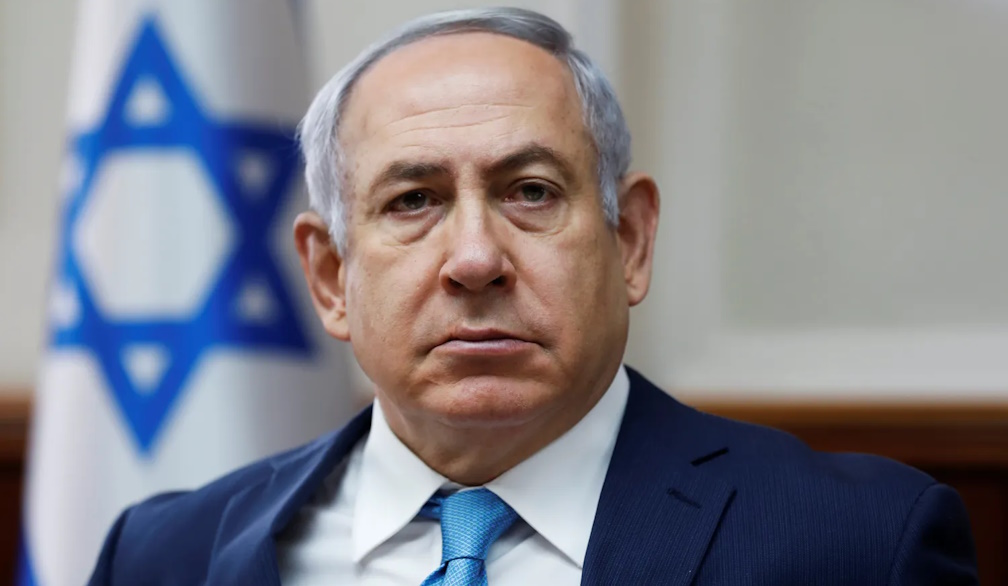
Once the hostage exchange is complete, it’s likely Israeli Prime Minister Benjamin Netanyahu will see some pressure from his right[5] to resume hostilities.
With Hamas relinquishing this leverage, it will be essential for the Israeli government to see these negotiations and the end of the war as fundamental to its long term interests and security for peace to hold. There must be a sincere desire to return to dialogue and compromise, not the pre-October 7 2023 complacency.
Second, Hamas will likely have to relinquish its arms and any political power in Gaza. Previously, Hamas has said it would only do this on the condition of recognition of a sovereign Palestinian state[6]. As recently as October 10, factions in Gaza have said they would not accept foreign guardianship, a key part of the peace plan, with governance to be determined “by the national component of our people directly[7]”.
Related to this, any interim governance or authority that takes shape in Gaza must reflect local needs. The proposed “body of peace[8]” headed by Trump and former UK prime minister Tony Blair, could risk repeating previous mistakes of cutting Palestinians out of discussions over their own future.
Part of the peace deal is the resumption of humanitarian aid flows, but the fate of the Gaza blockade that has been effectively in place since 2007 is unclear. The land, sea and air blockade, which was imposed by Egypt and Israel following Hamas’ political takeover of Gaza, heavily restricts imports and the movement of Gazans.
Prior to October 2023, unemployment in the strip sat at 46%[9], and 62% of Gazans required food assistance as a result of the limits placed on imports, including basic food and agricultural items such as fertiliser.
Should the blockade continue, at best Israel will create the same humanitarian conditions in Gaza of food, medical and financial insecurity that existed prior to the October 7 attacks. While conditions and restrictions are orders of magnitude worse in Gaza today, NGOs called early incarnations of the blockade “collective punishment[10]”. For peace to hold in the strip, security policy needs to be in line with global humanitarian principles and international law.
Most importantly, however, all parties involved must see peace in Gaza as fundamentally connected to broader peace between Israelis and Palestinians. Seeing the Gaza conflict as discrete and separate from the broader Palestinian-Israeli conflict would be a mistake. Discussions of Palestinian national self-determination in Gaza and the West Bank must be taken seriously and be a central part of the plan for peace to last.
While the 20-point plan mentions a “credible pathway to Palestinian self-determination and statehood”[11]“, history tells us[12] these pathways struggle to get past the rhetoric stage.
Many challenges stand in the way, including[13] Israeli settlement and annexation, the status of Jerusalem and the question of demilitarisation.
A meaningful step would be for the US to refrain from using its veto power at the UN Security Council (UNSC) against votes supporting Palestinian statehood. While several states recognised a Palestinian state[14] at the recent UN General Assembly, the US has blocked formal status at the UNSC every time.
Despite all these concerns, any pause in hostilities is undeniably a good thing. Deaths from October 7 2023 number nearly 70,000 in total, with 11% of Gaza’s population killed or injured and 465 Israeli soldiers killed[15]. The resumption of aid delivery alone will go far in addressing the growing famine[16] in the strip.
However, peace deals are incredibly difficult to negotiate at the best of times, requiring[17] good faith, sustained commitment and trust. The roots of this conflict reach back decades, and mutual mistrust has been institutionalised and weaponised. Difficulties in negotiating the Oslo Accords in the 1990s showed just how deep the roots of the conflict are. The situation is now much worse.
It is not clear if any party involved in negotiation possesses the political will needed to reach an accord. However, an opportunity exists to reach one, and it should not be taken for granted.
References
- ^ will withdraw to an agreed-upon line within the strip (www.aljazeera.com)
- ^ 20-point peace plan (www.bbc.com)
- ^ a ceasefire is not the same as a peace deal or an armistice (www.dw.com)
- ^ loses any remaining leverage (www.nytimes.com)
- ^ see some pressure from his right (www.ft.com)
- ^ recognition of a sovereign Palestinian state (www.abc.net.au)
- ^ by the national component of our people directly (www.aljazeera.com)
- ^ body of peace (www.aljazeera.com)
- ^ unemployment in the strip sat at 46% (www.unicef.org)
- ^ collective punishment (www.amnesty.org)
- ^ credible pathway to Palestinian self-determination and statehood” (www.aljazeera.com)
- ^ history tells us (theconversation.com)
- ^ including (theconversation.com)
- ^ several states recognised a Palestinian state (theconversation.com)
- ^ with 11% of Gaza’s population killed or injured and 465 Israeli soldiers killed (apnews.com)
- ^ addressing the growing famine (apnews.com)
- ^ requiring (theconversation.com)