The Middle East War is a defining economic force in Australia
- Written by: The Times
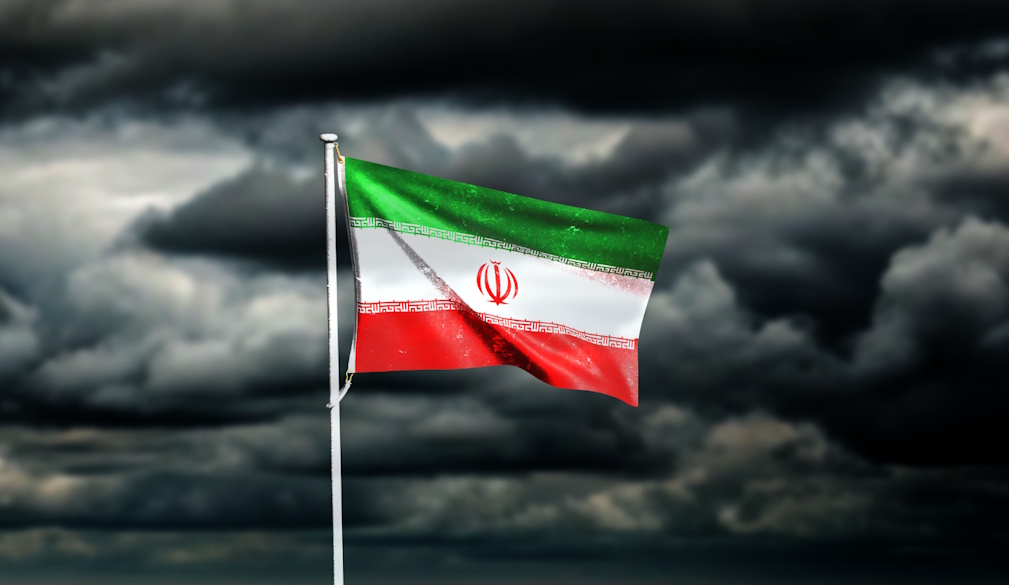
The war involving Iran is no longer a distant geopolitical event for Australian executives. It is rapidly becoming a defining economic force—one that is reshaping costs, supply chains, investment decisions and consumer behaviour across the country. For Australian businesses, the question is no longer whether there will be an impact, but how deep and how long it will last.
At the centre of the disruption is energy. The conflict has severely affected oil flows through the Strait of Hormuz, one of the world’s most critical energy corridors. Around a fifth of global oil supply typically moves through this channel, and even partial disruption has sent prices sharply higher. This has immediate consequences for Australia, a country heavily dependent on imported refined fuel.
The result is already being felt at the petrol pump and across business cost structures. Economists estimate that oil price increases can quickly translate into significantly higher fuel prices domestically, feeding directly into inflation. For businesses, this is not a marginal issue. Fuel is embedded in almost every activity—from transport and logistics to agriculture and construction. When energy costs rise, everything becomes more expensive.
Transport-dependent industries are among the first to feel the strain. Freight operators are facing higher diesel costs, shipping companies are dealing with increased insurance premiums and longer routes, and exporters are encountering rising “war risk” surcharges just to move goods through global markets. The cost of getting Australian products to Europe or the Middle East has risen materially, reducing competitiveness and squeezing margins.
Air travel is another sector already under pressure. Global jet fuel shortages and rising prices are forcing airlines to increase fares and adjust routes. For Australian tourism operators, this is a double hit. Outbound travel becomes more expensive for Australians, while inbound tourism faces uncertainty as global travellers reconsider long-haul trips. The ripple effect spreads quickly—from hotels and tour operators to restaurants and retail.
The construction sector provides a clear illustration of second-order impacts. Building materials such as steel, cement and glass are energy-intensive to produce and transport. As fuel costs rise, so too do construction costs. Reports suggest cost inflation in the sector could accelerate sharply, threatening project viability and delaying developments. For developers and contractors, this creates a difficult environment where budgets become unreliable and margins are eroded.
Retailers and consumers are also feeling the pressure. Higher transport costs feed directly into higher prices for everyday goods, from groceries to household items. Some Australian retailers are already warning of price increases tied to global instability. This is where the business impact becomes particularly complex. Rising prices can protect margins in the short term, but they also weaken consumer demand. Businesses must navigate the fine balance between passing on costs and maintaining sales volumes.
Agriculture is another sector exposed to the fallout. Fertiliser production is closely linked to energy markets, and disruptions are pushing prices higher. Farmers face increased input costs at the same time as transport expenses rise, putting pressure on profitability and potentially reducing output. This, in turn, feeds into food prices and broader inflation.
Financial markets have responded with volatility. Australian equities have experienced sharp swings as investors react to oil price movements and geopolitical uncertainty. While some sectors—particularly energy producers—have benefited from higher prices, most industries are grappling with increased uncertainty and risk. For businesses, this translates into tighter access to capital, higher borrowing costs and more cautious investment decisions.
There are, however, winners amid the disruption. Australia’s energy exporters, particularly LNG and oil producers, stand to benefit from elevated global prices. Higher commodity prices can boost revenues and improve trade balances, providing a partial offset to the broader economic impact. Yet even here, the benefits are uneven. Higher domestic energy prices can hurt local manufacturers and households, limiting the overall economic upside.
"The broader macroeconomic picture is becoming increasingly challenging."
Higher energy costs feed into inflation, which in turn influences interest rates. A prolonged conflict risks pushing inflation higher while simultaneously slowing economic growth—a difficult combination for policymakers and businesses alike. This environment tends to favour caution. Businesses delay expansion, hiring slows, and capital expenditure is reassessed.
Perhaps the most important variable is time. Short disruptions can often be absorbed. Supply chains adjust, alternative routes are found, and markets stabilise. But a prolonged conflict changes the equation entirely. It can lead to structural shifts in trade patterns, long-term increases in costs and a reconfiguration of global supply chains.
Australian businesses are already beginning to adapt. Some are seeking alternative suppliers outside the Middle East. Others are investing in energy efficiency or exploring renewable options to reduce exposure to fuel price volatility. Airlines are accelerating discussions around sustainable aviation fuel, while logistics companies are reassessing routes and contracts.
There is also a strategic dimension to consider. The conflict highlights Australia’s vulnerability to global energy shocks. Heavy reliance on imported fuel exposes the economy to geopolitical risks that are largely outside its control. This may accelerate policy discussions around fuel security, domestic refining capacity and energy diversification.
For business leaders, the implications are clear. Cost volatility is likely to remain elevated. Supply chains will require greater flexibility. Pricing strategies will need to be dynamic. Risk management—once a back-office function—will move closer to the centre of strategic decision-making.
The Iran war is not just an energy story. It is a systems story. It affects how goods move, how prices are set, how consumers behave and how businesses plan for the future. It is a reminder that in a globalised economy, events thousands of kilometres away can reshape conditions at home with surprising speed.
For Australian businesses, the challenge is not simply to endure this period of disruption, but to adapt to it. Those that can manage costs, secure supply chains and remain agile in their decision-making will be best placed to navigate what is likely to be an extended period of uncertainty.