Treasurer Defends Sweeping Budget Changes In Wednesday Morning Media Blitz
- Written by: The Times
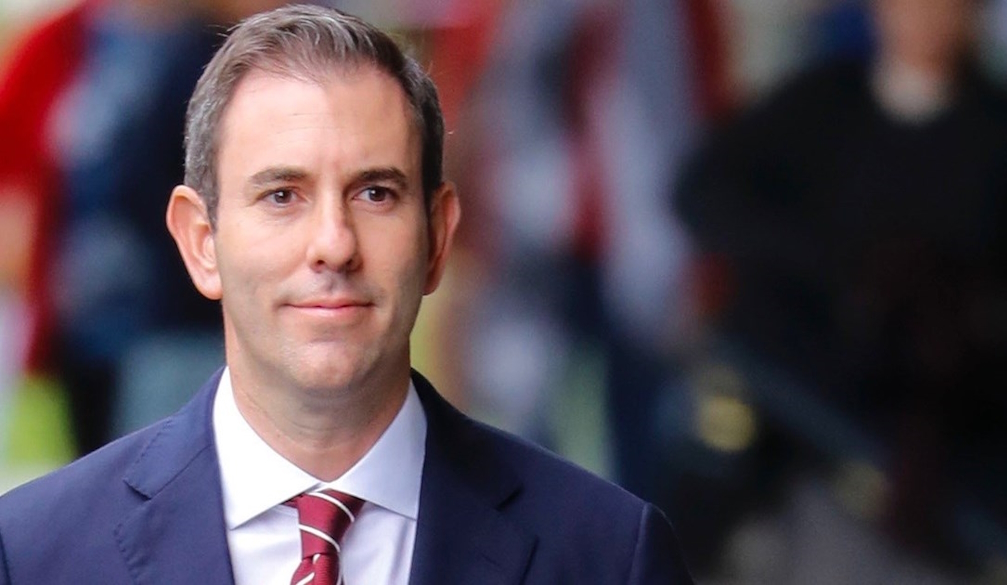
Australia’s Treasurer Jim Chalmers has spent Wednesday morning defending one of the most politically risky federal budgets in recent memory, arguing the government’s dramatic tax and housing reforms are necessary to prevent younger Australians from being permanently locked out of economic opportunity.
In a series of television and radio interviews following Tuesday night’s federal budget, Chalmers described the 2026 budget as a “reforming” and “responsible” economic plan designed to address intergenerational inequality, housing affordability pressures and long-term budget sustainability.
The Treasurer repeatedly defended Labor’s controversial decision to overhaul negative gearing and capital gains tax concessions — policies previous governments had treated as politically untouchable.
Under the budget changes, negative gearing concessions for newly purchased established investment properties will effectively end from July 2027, while the existing 50 per cent capital gains tax discount will move to an inflation-indexed system. Existing investments are grandfathered.
Speaking during morning interviews, Chalmers insisted the reforms were aimed at easing pressure on the housing market rather than punishing investors.
He argued the current system had failed younger Australians.
“We’ve got to make sure aspiration is alive and well for younger Australians,” Chalmers said during the media rounds, while acknowledging the changes would take years to fully influence the market.
In one of the more pointed exchanges of the morning, Chalmers dismissed criticism that the reforms would hurt wealthy property investors, remarking that if it became “harder to buy a fifth house, so be it.”
The Treasurer also attempted to reassure Australians worried the government may eventually target family homes or inheritance arrangements.
During interviews he explicitly stated the government was not seeking changes to the family home exemption or introducing inheritance taxes, attempting to calm fears spreading rapidly online following the budget announcement.
Another key part of Chalmers’ media campaign focused on the new $250 Working Australians Tax Offset, which the government says is designed to offset bracket creep and provide modest relief to wage earners struggling with inflation and higher living costs.
The Treasurer suggested the offset could form the foundation of future tax relief measures in coming budgets.
Chalmers also highlighted what he described as “spending restraint”, repeatedly pointing to $63.8 billion in savings measures included in the budget. Much of those savings come from significant changes to the National Disability Insurance Scheme, which the government says will reduce future expenditure growth.
The Treasurer argued the budget attempted to balance several difficult realities simultaneously:
• persistent inflation concerns
• housing affordability pressures
• global instability linked to the Iran conflict
• rising defence requirements
• and long-term structural budget pressures
The government also used Wednesday’s media appearances to promote fuel security measures, infrastructure spending and continued support for small business investment.
However, the Treasurer’s interviews quickly became combative as the Coalition intensified its attack on the budget.
Opposition Leader Angus Taylor labelled the budget an “assault on aspiration” and warned the tax changes would reduce housing supply and increase rents.
Deputy Liberal leader Jane Hume described the worker tax offset as a “great con” and accused Labor of undermining investment and wealth creation.
Meanwhile Pauline Hanson used the budget fallout to attack Labor from the populist right, describing the reforms as wealth redistribution and warning against what she called a punishment of Australians who had invested and accumulated assets over decades.
Despite the criticism, Chalmers appeared determined on Wednesday morning to frame the budget as a turning point rather than merely another annual fiscal statement.
The Treasurer’s message was clear: Labor believes the old economic settings are no longer sustainable in a country where younger Australians increasingly feel excluded from home ownership and long-term financial security.
Whether voters accept that argument — or instead see the budget as a broken promise and a tax grab — is likely to define Australian politics for the remainder of 2026.