The Effects of Mass Immigration on Social Cohesion in Australia
- Written by: The Times
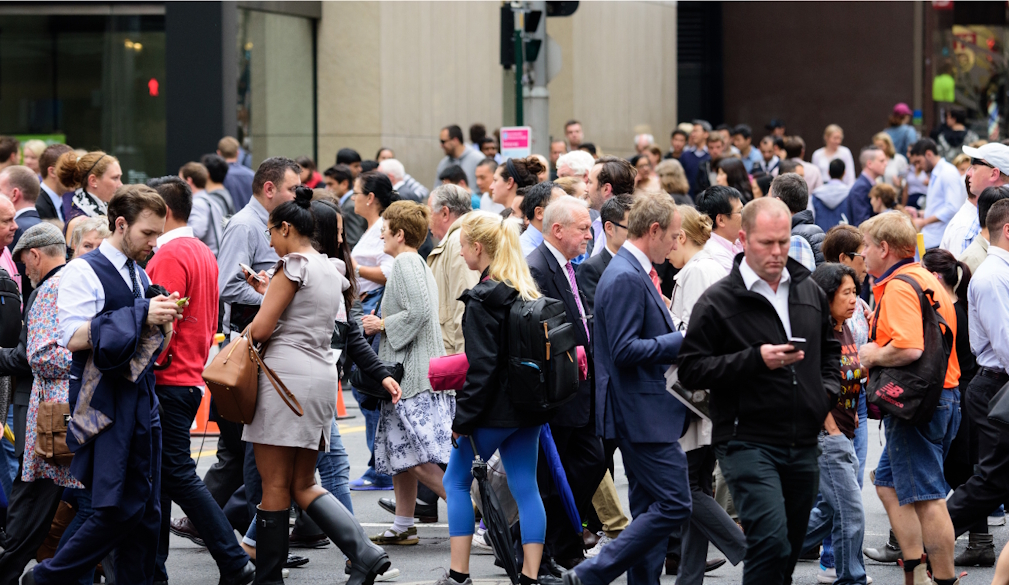
Australia has long been a nation built on immigration, a tapestry woven from threads of cultures, languages, and traditions from every corner of the globe. This diversity has undoubtedly enriched the Australian identity, fostering a vibrant and dynamic society. However, the question of how mass immigration affects social cohesion remains a crucial and complex one. Exploring this issue requires a nuanced approach, acknowledging both the challenges and the opportunities that come with a diverse population.
Australia's immigration history can be traced back to its earliest days as a British colony, but the post-World War II era saw a significant surge in immigration from Europe, followed by waves from Asia and other parts of the world. This influx has undeniably transformed the social fabric of the nation. On one hand, it has brought economic benefits, filling labor shortages, driving innovation, and contributing to a growing and dynamic economy. On the other hand, it has also presented challenges to social cohesion, raising questions about identity, integration, and belonging.
One of the most debated aspects of mass immigration is its impact on national identity. What does it mean to be Australian in an increasingly diverse society? Some argue that large-scale immigration can dilute a sense of shared culture and values, leading to fragmentation and social division. Concerns about the preservation of traditional customs and language often surface in these discussions. However, others argue that national identity is not static but evolving, shaped by the contributions of each new wave of immigrants. They believe that diversity can enrich the nation's identity, making it more inclusive and reflective of the globalized world.
Integration is another critical factor in assessing the effects of immigration on social cohesion. Successful integration requires both the willingness of immigrants to adapt to their new society and the openness of the host community to welcome and accept newcomers. When integration efforts fall short, social tensions can arise. Language barriers, cultural differences, and socioeconomic disparities can hinder interaction and create barriers to understanding. This can lead to the formation of isolated communities, hindering social mixing and reinforcing stereotypes.
However, Australia has made significant strides in promoting multiculturalism, a policy that recognizes and celebrates cultural diversity while fostering social inclusion. Initiatives like language classes, cultural festivals, and community programs play a vital role in bridging cultural divides and building connections between different groups. Learning about and appreciating the cultural traditions of Indigenous Australians, who have a history of more than 60,000 years, can also contribute to a deeper understanding of the country’s heritage and identity.
Moreover, the sharing of culinary traditions, as highlighted in Australian cuisine, can be a powerful tool for cultural exchange and social bonding. From unique seafood like Moreton Bay Bugs to Indigenous bush foods such as Witchetty grubs, the diverse food landscape of Australia offers a tangible way for different cultures to connect and learn from each other. Trying iconic Australian comfort foods or desserts together can create shared experiences and build bridges between communities.
Socioeconomic factors also play a significant role in the relationship between immigration and social cohesion. Immigrants often face challenges in finding employment, accessing education, and securing housing, which can lead to economic disparities and social inequality. When certain groups feel marginalized or excluded from the economic mainstream, it can fuel resentment and distrust. However, the contributions of immigrants to the Australian economy are undeniable. Many immigrants bring valuable skills, establish businesses, and create jobs, contributing to the nation's prosperity.
Furthermore, mass immigration can also bring innovation and fresh perspectives to the nation. The exchange of ideas, knowledge, and experiences between people from different backgrounds can lead to creativity and progress. In a globalized world, cultural diversity is increasingly seen as an asset, fostering adaptability, problem-solving, and cross-cultural understanding.
The effects of mass immigration on social cohesion in Australia are multifaceted and complex. While challenges related to identity, integration, and socioeconomic disparities undoubtedly exist, so do the opportunities for cultural enrichment, economic growth, and social innovation. Achieving social cohesion in a diverse society requires ongoing efforts to promote understanding, respect, and inclusion. By investing in integration programs, celebrating cultural diversity, and addressing socioeconomic inequalities, Australia can continue to thrive as a nation built on immigration, where people from all backgrounds can feel a sense of belonging.