In freezing foreign aid, the US leaves people to die – and allows China to come to the rescue
- Written by: Melissa Conley Tyler, Honorary Fellow, Asia Institute, The University of Melbourne
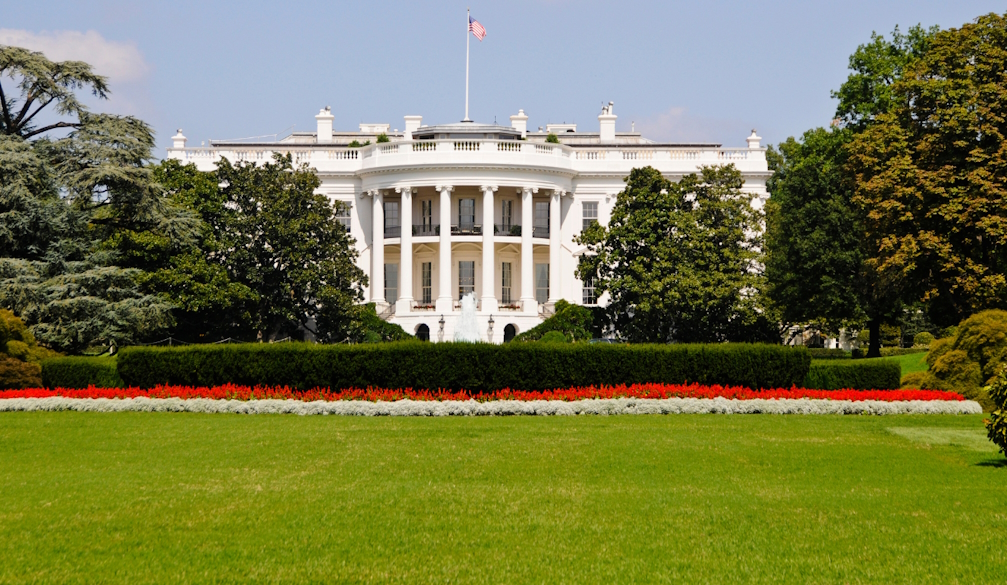
One of the executive orders US President Donald Trump signed the day he was inaugurated was a 90-day pause in US foreign development assistance[1].
The US Agency for International Development, USAID, was ordered to halt[2] funding. Programs worldwide were issued with stop-work orders[3].
All of a sudden, more than US$60 billion[4] (around A$95 billion) of programs for the world’s most vulnerable people just stopped.
So what happened? The world became less fair, and US soft power fizzled.
What’s happened so far?
We know this decision will cause deaths.
Stop-work orders were delivered to programs that provide AIDS medication to patients[5]. If you stop this, people die[6].
Charities, many of which work on a shoestring, had no choice but immediately to lay off staff[7].
Food and vaccines already in warehouses couldn’t be distributed[8].
Programs providing landmine clearing[9] and counterterrorism training[10] ceased.
Belatedly, the US walked this back to some extent by saying life-saving humanitarian[11] programs would be exempted.
But it doesn’t appear to have slowed the pace of layoffs[12], partly because of confusion[13].
With USAID staff now either sacked, placed on forced leave or told to stay home[14] – and the agency’s website taken down[15] – USAID is essentially no longer operational.
Agents from Elon Musk’s Department of Government Efficiency have raided the offices of USAID[16] and assumed control[17], with Musk posting on his X social network[18] that “USAID is a criminal organization” and[19] “it’s time for it to die”.
Some of the people[20] affected have gone[21] public[22], including Australian organisations[23] on behalf of their partners.
But most in the sector can’t speak up[24] if they hope for funding in the future. So the true extent of the impacts, including their knock-on effects, is likely much larger than has been publicly reported so far.
A more unequal and unstable world
With the halt in aid for the poorest, the world just became more unequal[25].
Before this week, the US was the world’s largest aid donor[26].
USAID was established by then-US president John F. Kennedy in 1961. Its programs focused on improving global health, alleviating poverty and providing emergency relief in response to natural disasters or conflict, as well as enhancing education and strengthening democratic institutions abroad.
The countries[27] that were receiving the most USAID assistance in 2023 were Ukraine, Ethiopia, Jordan, Afghanistan and Somalia.

In the Indo-Pacific, the Lowy Institute’s aid maps show that the Pacific[29] received US$249 million (about A$470 million) and SouthEast Asia[30] received US$1 billion (almost A$1.6 billion) in US overseas development assistance annually in the most recent data.
This funded 2,352 projects, including peacebuilding in Papua New Guinea, malaria control in Myanmar, early childhood development in Laos, and programs to improve the education, food security and health of school-age children across the region.
All of these programs are now being reviewed to ensure they are “fully aligned[31] with the foreign policy of the President of the United States”.
Based on the first Trump administration[32], there seems no chance that programs on climate, gender equality, abortion and equity inclusion will be reinstated after the 90-day assessment period. Losing funds for climate adaptation and mitigation is a huge issue for the Pacific Islands.
Assistance for survivors of gender-based violence, employment for people with disabilities and support for LGBTQIA+ youth will likely lose funding.
In communities that received significant USAID funding, the sudden cut in programs and loss of community organisations will damage the fabric[33] of society.
An unequal world is a less stable one. Australia’s peak body for the non-government aid sector, the Australian Council for International Development, says[34] the suspension of USAID programs “will work against efforts to build peace, safety, and economic stability for the world”.
A power that’s no longer super
Thinking of the impact on the US interests[35], there has been an enormous hit to US soft power from an entire pillar of US foreign policy suddenly disappearing[36].
This is underlined by the fact the cuts apply equally to ally, partner and adversary[37] nations alike.
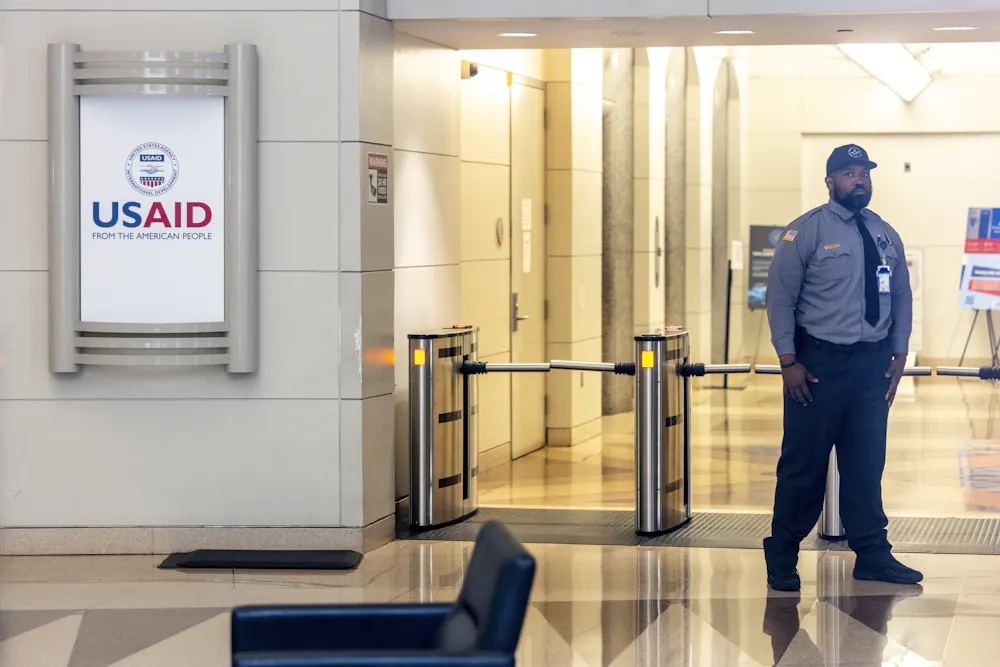
In the Pacific, the Biden Administration made a real effort to increase US presence, opening embassies and announcing USAID programs[39].
All of this has now been squandered by withdrawing from this space. I am aware of a project for which China has come in to provide funding where US funding has gone. It is a spectacular setback for the US.
What is most extraordinary is that this is self-inflicted damage. There were alternatives, such as continuing business as usual during a 90-day period of review, then giving notice to some programs that they would be discontinued.
The performative and haphazard way in which the policy has been implemented suggests an administration that doesn’t care much about the world outside its borders and is more concerned about ideological battles within.
Researcher Cameron Hill describes[40] Trump as linking foreign aid “to the symbols and slogans of his domestic political coalition”. This is likely to continue beyond the demise of USAID to other agencies involved in foreign assistance[41], such as development finance.
Australia needs to help fill the gap
What does this mean for Australia? As a middle power, it has an opportunity to step up – and work with other development partners such as Japan, Korea, India, Indonesia, Canada and European donors in the face of a genuine emergency.
For the Australian government this might mean an emergency increase in development funding or freeing up existing funding to keep the lights on.
Australia will undoubtedly now need to step up on climate programs in the Pacific if US funding doesn’t return. Australia could seek to convene an urgent meeting through the Pacific Islands Forum to discuss.
The first fortnight of the Trump administration has had global impact[42] well beyond US politics. On the most important issue for the majority of the world – development – the US decided to withdraw, destroying in a few days what have taken decades to build.
References
- ^ 90-day pause in US foreign development assistance (www.whitehouse.gov)
- ^ ordered to halt (www.wsj.com)
- ^ stop-work orders (www.msn.com)
- ^ more than US$60 billion (apnews.com)
- ^ provide AIDS medication to patients (newrepublic.com)
- ^ people die (www.huffpost.com)
- ^ lay off staff (www.politico.com)
- ^ couldn’t be distributed (www.msn.com)
- ^ landmine clearing (www.apheda.org.au)
- ^ counterterrorism training (www.wsj.com)
- ^ life-saving humanitarian (www.state.gov)
- ^ doesn’t appear to have slowed the pace of layoffs (apnews.com)
- ^ confusion (www.devex.com)
- ^ told to stay home (newrepublic.com)
- ^ website taken down (www.aljazeera.com)
- ^ raided the offices of USAID (newrepublic.com)
- ^ assumed control (www.msn.com)
- ^ posting on his X social network (x.com)
- ^ and (www.aljazeera.com)
- ^ Some of the people (apnews.com)
- ^ gone (www.globaldispatches.org)
- ^ public (www.huffpost.com)
- ^ Australian organisations (www.apheda.org.au)
- ^ most in the sector can’t speak up (www.politico.com)
- ^ unequal (www.apheda.org.au)
- ^ world’s largest aid donor (devpolicy.org)
- ^ countries (www.newsweek.com)
- ^ Stephen Wandera/AP (www.aap.com.au)
- ^ Pacific (pacificaidmap.lowyinstitute.org)
- ^ SouthEast Asia (seamap.lowyinstitute.org)
- ^ fully aligned (www.whitehouse.gov)
- ^ the first Trump administration (devpolicy.org)
- ^ damage the fabric (www.youtube.com)
- ^ says (acfid.asn.au)
- ^ US interests (theconversation.com)
- ^ an entire pillar of US foreign policy suddenly disappearing (newrepublic.com)
- ^ ally, partner and adversary (apnews.com)
- ^ Shawn Thew/EPA (www.aap.com.au)
- ^ USAID programs (apnews.com)
- ^ describes (devpolicy.org)
- ^ other agencies involved in foreign assistance (devpolicy.org)
- ^ global impact (www.youtube.com)