It’s time to put some new rules around upgrades for parliamentarians
- Written by: Michelle Grattan, Professorial Fellow, University of Canberra
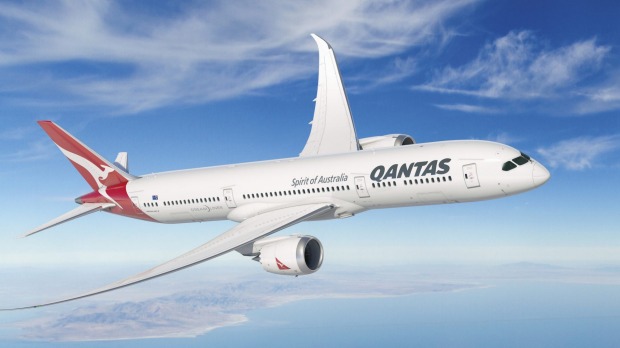
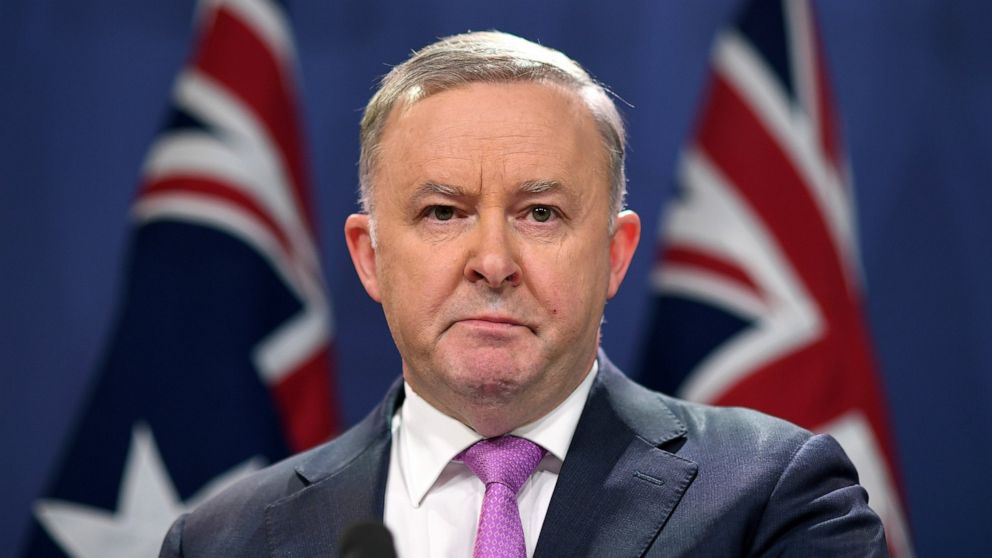
The Qantas upgrades affair has turned from a missile targeted at Anthony Albanese to a cluster bomb hitting MPs on all sides.
On Sunday, Education Minister Jason Clare took the opportunity provided by an interview on Sky about the government’s proposal to slash 20% off student debt to relate, in detail, why he requested a Qantas upgrade in 2019 for a private trip to Singapore.
He’d had an operation on his leg. He was catching up with his family already overseas. He contacted someone – he’s forgotten who – in Qantas.
On the other side of politics, the Nationals’ Bridget McKenzie, who’s been in hot pursuit of Albanese over his upgrades, is yet to produce full details of her own situation. She’s asked the airlines for the information.
Then there’s the Liberals’ Paul Fletcher, who apparently likes to book economy on flights of under two hours. He’s had 69 upgrades over almost 15 years.
It’s important to remember what the rules are. Parliamentarians in their work are entitled to fly business class on domestic trips. In some cases, they choose to fly economy on short hauls and business on longer ones.
In the wake of the ongoing revelations, surely it is time to fix the rules. One obvious change should be a ban on upgrades for all personal travel, domestic or overseas, by parliamentarians. If MPs do not want the discomfort of economy class on holidays or other excursions, they should pay to avoid it.
Another change should be that the minister for transport, and the shadow minister, should decline upgrades for their official travel. That avoids any suggestion of being influenced by such perks.
This parliamentary week is devoted, in the Senate, to estimates hearings, so there will be some grilling on the first day about upgrades, and also about the fabled Qantas chairman’s lounge, a networking facility which those with power are invited to join.
“The Chairman’s Lounge” is the title of the book by journalist Joe Aston that kicked off the furore a week ago.
The estimates hearings are also likely to see opposition senators probe the entrails of whether Lidia Thorpe, who demonstrated noisily at the parliamentary reception for the King, has or has not been properly sworn in as a senator.
Thorpe substituted the word “hairs” for “heirs” when she read the oath. But she signed the paper, and constitutional expert Anne Twomey thinks she’s met the requirements.
McKenzie has been among those targeting Thorpe. But if, when the full Senate sits later in the month, the opposition tries to have action taken against Thorpe, it will just serve her cause.
Thorpe wants publicity and that would give her plenty more. To be attempting to censure or even have disqualified an Indigenous senator would send a bad signal, at home (where some Indigenous people back her) and abroad.
The House of Representatives this week will have a heap of legislation before it, including the bill on misinformation and disinformation. There will be another to keep the NBN in public hands, as well as the aged care reforms.
But we’re still awaiting an announcement on restricting gambling advertising, and a bill to put an age limit on young people signing up to social media accounts.
We won’t be seeing before the election legislation for the prime minister’s announcement on cutting student debt by 20%, and other changes relating to its repayment, that he unveiled at the weekend.
Unlike the government’s earlier change to the indexation of this debt, now before the Senate, these new measures are promises – conditional on Labor winning next year’s election.
If that happens, Albanese says this will be “the first piece of legislation we bring into the next parliament”. The 20% cut would be from loan accounts that exist on June 1 next year.
The government says this is worth $16 billion, although experts point out the real figure – that is, the cost to taxpayers – is several billion dollars less because a portion of these loans would never be repaid anyway.
We do not have a precise timeline for the cost, which the government says would be borne over the life of the debt. No doubt the estimates hearings will see some delving into this promise, that is squarely directed at millennial voters and those younger and focused on the cost of living.