


5 things you can do to end the biodiversity crisis as the world talks about it at COP16
- Written by: Jim Radford, Associate Professor, Ecology and Environment, La Trobe University
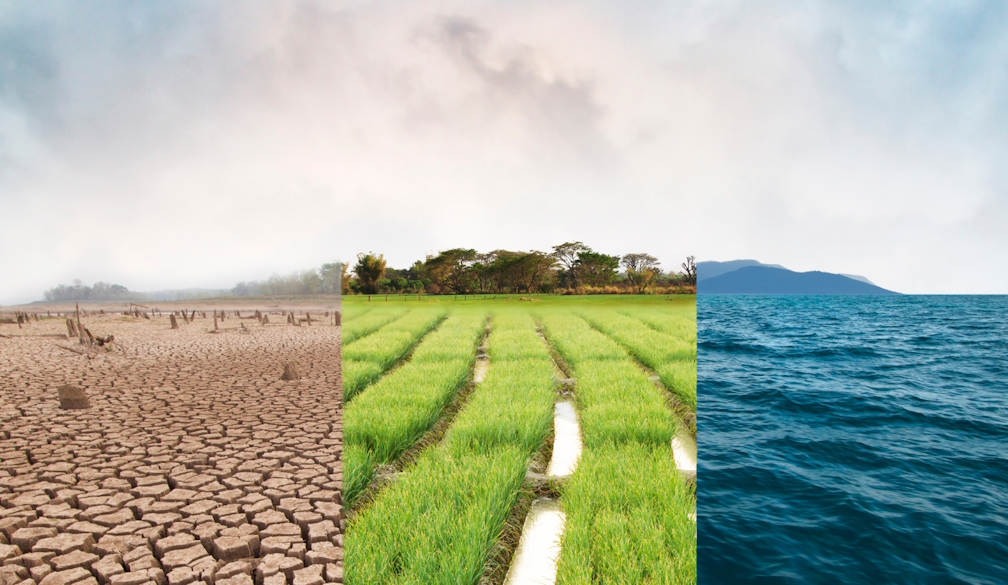
The world is charging towards tipping points for species extinctions[1], ecosystem collapse[2] and loss of genetic diversity[3]. Crossing these tipping points will be devastating for nature and human existence alike.
Avoiding this catastrophe of humanity’s making is the purpose of the 16th Conference of the Parties to the United Nations Convention on Biological Diversity (COP16[4]) in Cali, Colombia. COP16 has been reviewing progress on implementing the Global Biodiversity Framework[5] adopted at COP15 in Montreal, Canada, in 2022. Progress has been incremental at best.
These pledges, plans and goals, while necessary and commendable, are also far removed and often intangible for everyday citizens. Collective global action is inherently political. It moves at glacial pace when urgent action is needed.
The issues can seem so colossal and complex that individuals often feel powerless. This may mean they do nothing or, worse, add to the problem. But, in fact, there are five steps individuals can take to help end the biodiversity crisis.
So why isn’t government action enough?
COP16 wraps up on November 1, but has so far failed to live up to expectations. The COP16 chair claims it has put biodiversity “on an equal footing[6]” with climate. However, solid commitments have yet to emerge.
For example, before COP16, governments had pledged only US$250 million (A380 million) of the estimated $200 billion per year required by 2030 for the Global Biodiversity Framework Fund. Pledges of another $163 million[7] this week take the total number of contributors to a mere 12.
Only 15% of countries[8] (including Australia) met the deadline to submit their plans to meet the goals set at COP15. These include protecting at least 30% of the world’s land and water and restoring 30% of degraded ecosystems by 2030.
And plans do not guarantee action. Indeed, the world has never achieved a single global nature target[9] set by such initiatives.
Our everyday decisions can’t be divorced from nature
“Natural capital” is a buzzword in global initiatives, government policies, marketing slogans and sustainability frameworks worldwide. Natural capital refers to all living and non-living natural resources that provide products and services of value to society. In essence, it’s what we commonly call “nature”.
Understanding and managing natural capital is crucial for conserving biodiversity, addressing climate change and ensuring future generations’ wellbeing by not exceeding our planetary boundaries[10]. It’s why we’ve recently created the Natural Capital Primer[11]. It’s a website that explains how our everyday lives, businesses and economies depend on nature.
By understanding our connection to nature, we can all reduce our impact on nature. Here are five ways you can make a difference, starting today.
The Natural Capital Primer explains the concept, aiming to shift attitudes toward nature and promote global conservation.1. Cut consumption when you can
Do you really need to update your mobile phone, your summer wardrobe or your flat-screen TV? What we buy reverberates around the globe.
Our demand for new products affects resource extraction (leading to habitat loss), carbon emissions (propelling climate change) and pollution (degrading habitat). These impacts are often far from where we make our purchases. From the lithium in our phones to the plastics in our clothes and the metals in our vehicles, our consumption drives demand, which almost inevitably harms biodiversity.
If you do need to replace something, consider buying second-hand or products made from recycled materials.
2. Watch what you eat
Agriculture is the single greatest driver of changes in land use and biodiversity loss[12]. We all need to eat, of course, but where possible buy local and sustainably produced foods.
Reducing processed foods in your shopping trolley is a good start. Cutting your intake of over-fished, wild-caught seafood[13], red meat[14] and palm oil-based[15] products will also help. This issue is not straightforward because these products are available as a confusing mix of unsustainable and sustainable options[16].
A further complication, made worse by the rise of greenwashing[17], is that it can be hard to work out exactly what is in certain foods or where they came from. Sustainability certification and apps (GoodFish Australia[18], for example) can help consumers make better choices.
3. Choose renewable energy
The climate and biodiversity crises are inseparable. Neither can be resolved in isolation. For example, nature-based solutions, such as protecting forests as carbon sinks, will help with both the climate crisis and biodiversity.
With greenhouse gas emissions driving climate change, which threatens many species, a whole range of our choices determine the impacts of our energy use. From your mode of transport to powering your home, choose renewable energy sources.
Tech giants such as Google and Amazon are turning to nuclear energy[19] to power their generative AI and cloud storage in an effort to reduce their climate impact. However, 100% renewable energy is realistic[20] if consumers demand it from their power companies and governments.
4. Get your hands dirty
You can take direct action to protect and increase biodiversity. Volunteer or donate to environmental projects in your neighbourhood. Not only will this make you feel good[21], but revegetation and habitat restoration do improve local biodiversity[22].
Many grass-roots, community-driven projects are making a difference on the ground. They range from urban restoration work, such as the Merri Creek restoration[23] in Melbourne, to forest stewardship projects, such as Tarwin River Forest[24] in Gippsland, Victoria. Get local and get involved!
5. Adjust expectations and accept responsibility
People in wealthy countries (such as Australia) have both the biggest environmental footprints and the most capacity to adapt. They must lead change.
The process starts with increasing awareness of the issues and taking responsibility for change. That includes adjusting our expectations about how and where we live.
Small changes are magnified when repeated by millions of people. We should never doubt the power of cumulative impact. After all, it’s what got us into this mess in the first place.
So while governments and corporations haggle, posture and delay over global targets and policies, we can all start right now to make a difference through smarter decisions and sustainable choices.
References
- ^ species extinctions (onlinelibrary.wiley.com)
- ^ ecosystem collapse (onlinelibrary.wiley.com)
- ^ loss of genetic diversity (onlinelibrary.wiley.com)
- ^ COP16 (www.cbd.int)
- ^ Global Biodiversity Framework (www.cbd.int)
- ^ on an equal footing (www.news.com.au)
- ^ another $163 million (www.thegef.org)
- ^ Only 15% of countries (www.carbonbrief.org)
- ^ never achieved a single global nature target (www.theguardian.com)
- ^ planetary boundaries (www.science.org)
- ^ Natural Capital Primer (naturalcapitalprimer.com)
- ^ changes in land use and biodiversity loss (papers.ssrn.com)
- ^ wild-caught seafood (www.pnas.org)
- ^ red meat (www.sciencedirect.com)
- ^ palm oil-based (www.cell.com)
- ^ sustainable options (www.nature.com)
- ^ greenwashing (www.accc.gov.au)
- ^ GoodFish Australia (apps.apple.com)
- ^ turning to nuclear energy (www.theguardian.com)
- ^ 100% renewable energy is realistic (www.theguardian.com)
- ^ make you feel good (conservationvolunteers.com.au)
- ^ improve local biodiversity (theconversation.com)
- ^ Merri Creek restoration (www.friendsofmerricreek.org.au)
- ^ Tarwin River Forest (tarwinriverforest.com.au)









