President Trump’s Plan for Cuba: Pressure, Leverage, and the Politics of Proximity
- Written by: The Times
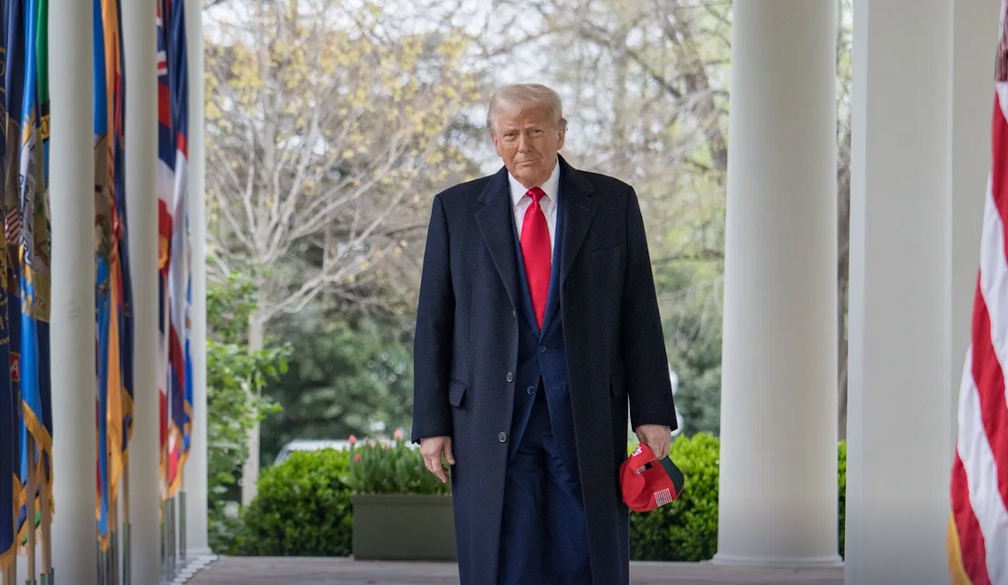
Few bilateral relationships in global politics carry the historical weight and symbolic tension of that between the United States and Cuba. From the fallout of the Cuban Revolution to the decades-long embargo and Cold War brinkmanship, policy toward Havana has long oscillated between isolation and cautious engagement. Under Donald Trump, the pendulum swung decisively back toward pressure. Now, with renewed political influence and a clear ideological stance, Trump’s plan for Cuba reflects a continuation—and possible escalation—of that approach.
This article examines the strategic pillars, economic implications, and geopolitical consequences of what can be broadly described as “Trump’s plan for Cuba.”
A Return to Hardline Policy
During his presidency (2017–2021), Trump reversed much of the diplomatic thaw initiated by Barack Obama, who had re-established formal relations with Cuba in 2015. Trump framed his Cuba policy as a moral and political necessity—arguing that engagement had failed to produce democratic reforms or improve human rights.
At the core of Trump’s Cuba strategy are three key principles:
-
Maximum economic pressure
-
Isolation of the Cuban government
-
Support for political change from within
Rather than soft diplomacy, the approach relies on tightening sanctions and limiting financial lifelines to the Cuban state.
Economic Pressure: Sanctions as Strategy
Trump’s administration significantly expanded sanctions on Cuba, targeting key revenue streams:
Tourism Restrictions
American travel to Cuba was sharply curtailed. Cruise ships, educational exchanges, and “people-to-people” programs were restricted or eliminated. This move directly impacted Cuba’s tourism sector—one of its most vital sources of foreign currency.
Remittance Limits
Caps were placed on remittances sent by Cuban-Americans to family members on the island. The rationale was that these funds indirectly supported the state-controlled economy.
Blacklisting State Entities
Numerous Cuban businesses, particularly those linked to the military, were placed on a restricted list. U.S. individuals and companies were prohibited from engaging with them.
The goal was clear: starve the Cuban government of revenue while increasing economic pressure on the ruling system.
Political Objective: Regime Change Without War
Unlike Cold War-era confrontations such as the Bay of Pigs Invasion, Trump’s approach does not involve military intervention. Instead, it aims to create internal conditions that force political change.
Trump and his allies have consistently framed Cuba as a “failed socialist state,” linking it rhetorically to broader ideological battles in Latin America—particularly with countries like Venezuela.
The expectation underpinning the strategy is that sustained economic hardship will:
-
Increase public dissatisfaction
-
Pressure the Cuban leadership
-
Encourage internal reform or leadership change
Critics, however, argue that such pressure often entrenches regimes rather than weakens them.
The Florida Factor: Domestic Politics at Play
Any serious analysis of U.S.–Cuba policy must consider Florida’s electoral importance. Cuban-American voters—particularly in Miami—have historically supported hardline policies toward Havana.
Trump’s stance on Cuba was not only foreign policy—it was also domestic political strategy. By taking a tough position, he strengthened support among:
-
Cuban-Americans
-
Venezuelan-Americans
-
Anti-socialist voters
This political calculus suggests that even future iterations of Trump’s Cuba plan would continue prioritising a strong, uncompromising posture.
Human Rights and Messaging
A central justification for Trump’s approach is Cuba’s human rights record. His administration repeatedly highlighted:
-
Restrictions on free speech
-
Political imprisonment
-
Limits on democratic participation
Sanctions were framed as a tool to hold the Cuban government accountable. However, humanitarian organisations have pushed back, arguing that broad economic restrictions disproportionately impact ordinary citizens rather than political elites.
The China and Russia Dimension
Cuba’s strategic importance extends beyond its bilateral relationship with the United States. In recent years, both China and Russia have strengthened ties with Havana.
Trump’s hardline approach can also be interpreted through this geopolitical lens:
-
Preventing adversaries from gaining influence in the Western Hemisphere
-
Limiting military or intelligence cooperation between Cuba and rival powers
-
Reasserting U.S. dominance in its regional sphere
This echoes long-standing doctrines in American foreign policy, where proximity to U.S. shores amplifies strategic concern.
Economic Reality in Cuba
Cuba today faces severe economic challenges:
-
Chronic shortages of food and medicine
-
Energy instability and blackouts
-
Declining tourism revenues post-pandemic
-
Limited access to international capital markets
Trump’s policy intensifies these pressures. Supporters argue this accelerates necessary change; critics contend it deepens humanitarian hardship without achieving political reform.
What Would a Second Trump Plan Look Like?
If Trump were to fully reassert control over U.S. foreign policy, a renewed Cuba strategy would likely include:
1. Expanded Sanctions
Further targeting of financial flows, shipping, and third-party countries doing business with Cuba.
2. Digital and Information Campaigns
Increased support for internet access and independent media within Cuba to bypass state control.
3. Regional Alignment
Closer coordination with Latin American governments that oppose Cuba’s political system.
4. Immigration Leverage
Using migration policy as a pressure point, particularly given periodic surges of Cuban migrants to the U.S.
The Counterargument: Engagement vs Isolation
Critics of Trump’s plan argue that isolation has historically failed to produce meaningful change in Cuba. They point to the Obama-era engagement as a more constructive pathway:
-
Increased cultural exchange
-
Expanded private enterprise in Cuba
-
Greater access to information
From this perspective, economic openness—not restriction—is more likely to encourage reform.
Conclusion: Strategy or Stalemate?
Trump’s plan for Cuba is built on a clear thesis: pressure leads to change. It prioritises economic leverage, political isolation, and ideological clarity over diplomacy and engagement.
Whether this strategy produces results remains an open question. Decades of U.S. policy toward Cuba suggest a stubborn reality: the island has proven remarkably resilient to external pressure.
What is certain is that Cuba remains more than a foreign policy issue—it is a symbolic battleground for competing visions of governance, economics, and influence in the Americas.
And under Trump’s approach, that battle is far from over.