Hundreds of tariffs to go from July 1 in biggest unilateral tariff cut in decades
- Written by: Michelle Grattan, Professorial Fellow, University of Canberra
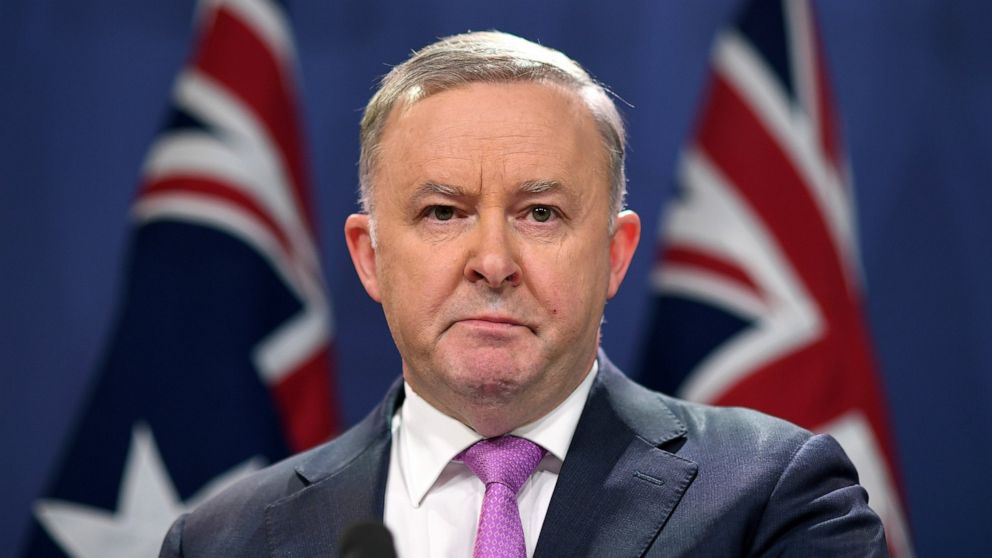
The Albanese government will abolish almost 500 so-called “nuisance” import tariffs from July 1.
Items set to become tariff-free include toothbrushes, hand tools, fridges, dishwashers, clothing, and menstrual and sanitary products. The tariff on such products is 5%. The cost to the budget has not yet been announced, partly because the plan is subject to consultations.
The decision will be the centrepiece of a speech Treasurer Jim Chalmers will make to a business audience in Sydney on Monday. Later, in another speech this week, Chalmers will set out some directions for the May budget.
The government says this is “the biggest unilateral tariff reform in at least two decades”, hailing it as a gain for productivity.
“It will cut compliance costs, reduce red tape, make it easier to do business, and boost productivity,” the government said in a statement, adding these tariffs do not protect Australian businesses.
The reforms were an important step in simplifying Australian trade, and would particularly assist small and medium-sized firms.
“After successive trade agreements, most goods are now imported duty-free. This means that businesses spend time and money proving their imports are eligible for existing tariff preferences and concessions, a compliance cost they often pass on to consumers, ” the statement said.
Chalmers said: “Tariff reform will also provide a small amount of extra help with the cost-of-living challenge by making everyday items such as toothbrushes, tools, fridges, dishwashers and clothing just a little bit cheaper”.
The changes will scrap 14% of Australia’s total tariffs, streamlining about $8.5 billion worth of annual trade. Businesses will save more than $30 million in compliance costs each year, on the government’s estimate.
A Productivity Commission report in 2020 defined nuisance tariffs[1] as
tariffs that raise little revenue, have negligible benefits for producers, but impose compliance burdens
It said the administrative costs of collecting these tariffs amounted to $11 million to $20 million per year.
The government gave the following list of examples of products set to see the removal of the 5% customs duties and what revenue the tariffs currently raise annually:
-
Washing machines with annual imports worth over $490 million, raise less than $140,000 in revenue per year
-
Fridge-freezers with imports worth over $668 million – less than $28,000
-
Tyres for agricultural vehicles, tractors or other machines with imports worth over $102 million – less than $10,000
-
Protective footwear with imports worth $160 million – less than $112,000
-
Toothbrushes with imports worth over $84 million – less than $22,000
-
Menstrual and sanitary products with over $211 million worth of imports – less than $3 million
-
X-ray film with over $160,000 in imports – less than $200
-
Chamois leather with $100,000 in imports – less than $1,000
-
Pyjamas with almost $108 million in imports – less than $120,000
-
Fishing reels with over $50 million in imports – less than $140,000
-
Rollercoasters with over $16 million in imports – less than $40,000
-
Dodgem cars with over $2 million in imports – less than $15,000
-
Ballpoint pens with imports worth over $57 million – less than $95,000
-
Toasters with imports worth over $49 million – less than $1,000
-
Electric blankets with imports worth over $31 million – less than $5,000
-
Bamboo chopsticks with over $3 million in imports – less than $3,000.
Removing tariffs on menstrual and sanitary items will align tariff policy settings with changes previously made to the GST.
The government said consultation on the proposed initial reforms is underway, with submissions open on the Treasury website and closing on April 1.
“The tariffs identified have been selected because their abolition will deliver benefits for businesses without adversely impacting Australian industries or constraining Australia in sensitive FTA negotiations,” the government said in its statement.
The full list of abolished tariffs will be finalised and provided in the May budget.
Read more: How a secret plan 50 years ago changed Australia's economy forever, in just one night[2]
Chalmers said:“This is meaningful economic reform that will deliver meaningful benefits to businesses of all sizes around Australia.
"These tariffs impose a regulatory burden on Australian businesses and raise the costs of imported goods but they do little to protect our workers and businesses because they apply to goods that are mostly already eligible for duty-free importation.
"These tariff reforms will be better for businesses, better for consumers and better for the economy.”
Trade Minister Don Farrell said: “With one in four Australian jobs trade-related, and 27% of Australia’s economic output supported by trade, the importance of trade to Australia’s national wellbeing cannot be overstated.
"Trade that is simple, fast, and cost-effective can boost Australia’s international competitiveness, help create jobs, and reduce cost of living pressures.”
The Whitlam government began the journey to cut protection by cutting tariffs 25% across-the-board. The Hawke-Keating governments in the late 1980s and early 1990s undertook comprehensive tariff reductions and the elimination of import quotas.
The Howard government cut most tariffs to no more than 5% and many to zero.
References
- ^ nuisance tariffs (www.pc.gov.au)
- ^ How a secret plan 50 years ago changed Australia's economy forever, in just one night (theconversation.com)