The Prime Minister's interview with David Koch
- Written by: Scott Morrison
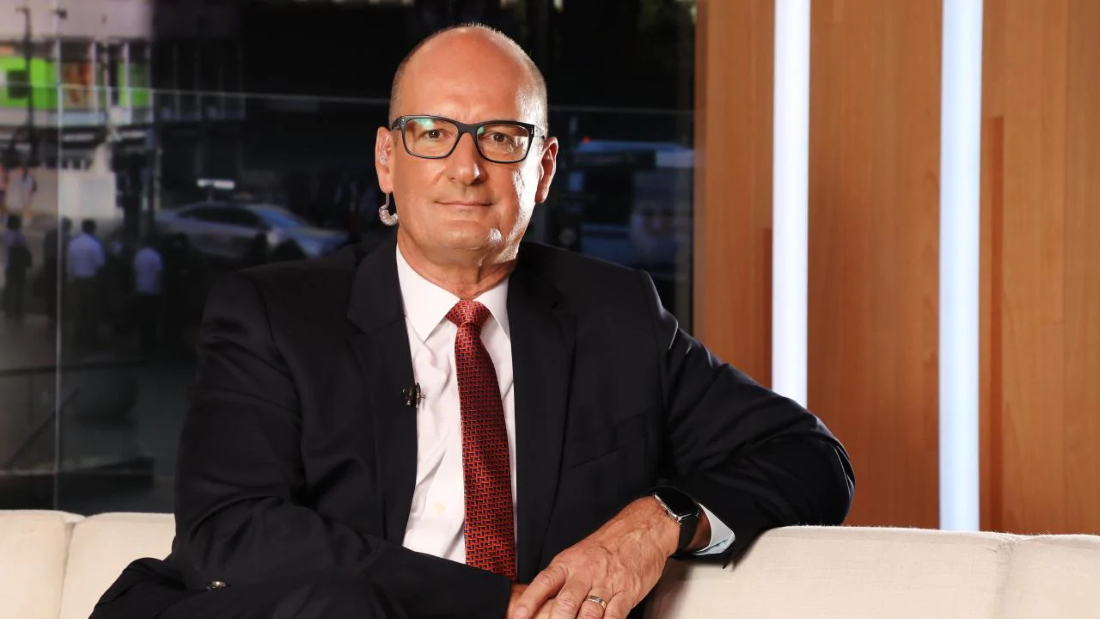
DAVID KOCH: Federal Budget Prime Minister Scott Morrison joins us now. Prime Minister, good morning to you. A family sitting around their kitchen tables this morning talking about what is in it for them. What do you want them to take away from this Budget?
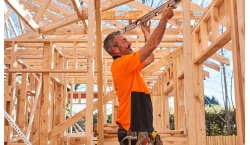
PRIME MINISTER: Well, two things. The first is that we know that the cost of living pressures, the impact on fuel prices caused by things a long way away from Australia, with the terrible war in Ukraine, immediate cost of living relief for them, but responsible cost of living relief because the Budget has turned around. $100 billion improvement in this Budget, which means we can responsibly go and provide that help right now. The cost of living pressures are real. The fuel price increases are real and the support that we're delivering is real. And they need it now. And we're delivering it now because we can because we've turned the Budget around. The second point I'd make, David, is that it's also a plan for the long term, the investments in manufacturing, the investments in energy production. The investment in skills in particular. We have 220,000 apprentices in trade training right at the moment, the highest we've seen since 1963. So building the skills, building the infrastructure and establishing and growing our manufacturing capability. A plan for the future.
KOCH: Because that's one of the big criticisms of this Budget, that it's supposedly very short term just to get votes for a May election.
PRIME MINISTER: Well, people need to read more than the first page because there's $21 billion of investment in our regions. And that's in particular the transformational investments in ports and dams and roads and other infrastructure in our regions in the Pilbara, up in central and north Queensland, up in the Northern Territory and in the Hunter Valley. Investing in the regions that unlocks the wealth of the nation to pay for the many things that we need to pay for. Be it our enhanced Defence Forces, $10 billion for cyber security or paying for things the ongoing supports for pensions, the National Disability Insurance Scheme. We understand that Australia is bigger than our eight capital cities and territories. More than 80 per cent of our goods exports come from our regional areas. And in this Budget is the single largest transformational investment in our regions and to grow Australia's wealth. The money we make in the Pilbara, in the Hunter up there in north Queensland that supports every Australian. It pays for hospitals, it pays for schools, and we want to see that unlocked even more.
KOCH: Yeah, that's that was certainly the underpinning a big bonus in tax receipts, our sales of commodities. But there was speculation in the week leading up to the Budget that you were going to make it easier for older Australians to work more to earn more money. We've got a job shortage. It seemed a no brainer. Why didn't you go ahead with that?
PRIME MINISTER: Well, there's always lots of speculation about issues before a Budget, David, but I can't speak to why that was there. I mean, we want to support people in their retirement. We want to give people of working age the skills they need, and we want to bring people to the country that will continue to add. I mean, just in relation to Ukraine, over 5,000 people and we've been able to get visas to and they're on the way to Australia. So the migration programmes plays an important part, but we want to give Australians the skills right across their working life to add to this country. And our skills investments are so important. I mean, they're seeing these trade apprentices in training, seeing the investments in training for the future. That is what is going to grow our future. For those of retirement age, we want them to enjoy their retirement.
KOCH: OK, so so retirement, you're not at working age. Is that what you're saying, though, that you do if …
PRIME MINISTER: No. People can work for as long as they wish to, David. And what we do enables them to do that with lower taxes. No, they don't. They just don't receive as much pension because when you're working, you're earning more and where people want to earn more and work well, of course they can. And but what we're focused on in this Budget is getting people into work. And, you know, about three quarters of the improvements we've seen in the bottom line, the revenues that we've seen comes from simply getting people off welfare and into work. The economy is growing far stronger than we'd anticipated a year ago because the plans we've got in place are working. And we know that because Australians are working with unemployment falling to four per cent and falling even lower, as you've said yourself.
KOCH: Yeah. The other thing that worries me is the changes to the the first home buyer incentive scheme, allowing first home buyers just to buy a house with five per cent deposit, for single parents just two per cent. Property prices in Sydney and Melbourne dropping at the moment. So you could see those first home buyers into negative equity really quickly. Banks hate that. They start to talk about closing people down. Will you make sure that doesn't happen?
PRIME MINISTER: Well, the banks themselves are the ones who approve the loans, David, and so they're the ones who make the assessments about the ability to provide those loans, but I tell you what this scheme has done together with HomeBuilder, it's got 300,000 people in just the last three years into their own home. It's always hard to buy a home. It's particularly hard now. It's very hard to do for young people to save for that deposit, and that takes that burden off those particularly single parents you mentioned. The number of single parents, particularly women, particularly those who've suffered terrible violence and had to flee, and they've lived from rented house to rented house, we've enabled them to get in their own home, to stop being a renter and to be a home owner. And that's what this programme does. The checks and balances are there.
KOCH: Yeah, what I'm saying is property prices drop, those first home buyers in to negative equity and the banks start to get narky. Well, you make sure the banks don't pull the loans from those borrowers under the scheme?
PRIME MINISTER: Well, they wouldn't because they've they would have provided the loans, understanding all of the things that you just mentioned. They're still doing their due diligence on every single loan. They're the ones extending the loans in the same way they've extended loans over a long time. They know the housing market and they know where they can loan and they know where they can't. What this is doing, I met a young woman down in Melbourne. It saved her eight years, this programme, eight years, she got into a first home sooner. That is a lifetime of saving. And that is great to see. And we're keeping it going 50,000 places every year, doubling it. We're doing that because it's worked. It's successful. Australians are getting into their own home under my Government.
KOCH: All right. Just before we let you go, I know you're under real time constraints. Tonight's the state memorial for Shane Warne. Will you be attending and what message do you have for Shane Warne's family, friends and fans?
PRIME MINISTER: Well, yes, I will be there and be heading down there this afternoon, this evening. Look, my message to all Australians, but particularly to Shane's family, is thank you. Thank you for sharing Shane with all of us. And I hope tonight what people will be able to do is just pour out their love for Shane and he and all of his family. That's what I hope that they will see the great celebration of his life and be simply comforted by that. Shane has given us all so many wonderful moments, and he's such an Australian character and an Australian icon. So I'm looking forward to seeing his life celebrated tonight, and I hope the family take away from that a sense of comfort.
KOCH: Prime Minister, thanks for joining us.
PRIME MINISTER: Thanks a lot, David.