The Times Australia
Google AI
The Times Australia
.

Albanese promises changes to HELP repayment arrangements to ease cost of living

  • Written by Michelle Grattan, Professorial Fellow, University of Canberra
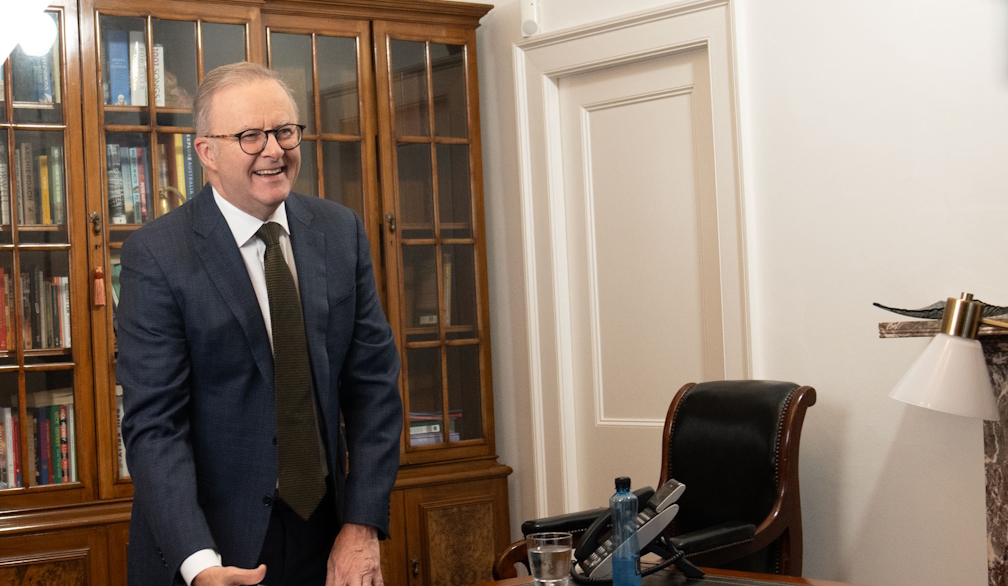


People repaying HELP student debts would get cost-of-living relief under changes to repayment arrangements to be announced by Prime Minister Anthony Albanese on Sunday.

The minimum threshold for repayments to start would be lifted by more than $10,000 a year, from about $54,000 in 2024-25 to $67.000 in 2025-26. This threshold would be indexed so it always remained about 75% of average graduate earnings.

The government would also move to a marginal repayment system for HELP debts. That would in the short term be to the advantage of people on incomes just above the threshold.

This change, which does not alter the overall amount of the person’s debt, was recommended by Bruce Chapman, the academic who was a designer of the original HECS scheme in the 1980s. Chapman undertook work for the universities accord released by Education Minister Jason Clare.

The accord recommended “reducing the financial burden of repayment on low-income earners and limiting disincentives to work additional hours by moving to a system of HELP repayment based on marginal rates”.

In a Sunday speech, Albanese will say the changes will boost take home pay for one million young Australians.

The average HELP debt holder would pay about $680 less annually in their repayments.

A university graduate earning $70,000 would have their minimum repayments reduced by $1,300. A graduate on $80,000 would receive a cut of $850.

The targeted relief would apply to all graduates earning up to $180,000 annually.

The changes extend to student loans for vocational education.

The government plans to bring in legislation for the changes next year, but it is not clear whether this will be before or after the election, which must be held by May.

The cost over the forward estimates would be about $300 million.

Albanese said:“We will make it easier for young Australians to save in the future and we are going to make the system better and fairer as well. This is good for cost of living. Good for intergenerational fairness. Good for building Australia’s future.”

This is the government’s second recent round of changes to the HELP scheme .

In changes to indexation in this year’s budget the government announced it would cut the student debt of more than three million people, wiping more than $3 billion from what people owe.

It capped the HELP indexation rate to be the lower of either the Consumer Price Index (CPI) or the Wages Price Index (WPI), backdated from June 1 last year. Indexation had been based on the CPI. Legislation for the budget change is currently before the parliament.


Read more https://theconversation.com/albanese-promises-changes-to-help-repayment-arrangements-to-ease-cost-of-living-242700

Politicians bank on people not caring about democracy – but research shows we do

Across the world, democracies are grappling with a widening gap between citizens and those who govern. Austr...

Times Magazine

With Nvidia’s second-best AI chips headed for China, the US shifts priorities from security to trade

This week, US President Donald Trump approved previously banned exports[1] of Nvidia’s powerful ...

Navman MiVue™ True 4K PRO Surround honest review

If you drive a car, you should have a dashcam. Need convincing? All I ask that you do is search fo...

Australia’s supercomputers are falling behind – and it’s hurting our ability to adapt to climate change

As Earth continues to warm, Australia faces some important decisions. For example, where shou...

Australia’s electric vehicle surge — EVs and hybrids hit record levels

Australians are increasingly embracing electric and hybrid cars, with 2025 shaping up as the str...

Tim Ayres on the AI rollout’s looming ‘bumps and glitches’

The federal government released its National AI Strategy[1] this week, confirming it has dropped...

Seven in Ten Australian Workers Say Employers Are Failing to Prepare Them for AI Future

As artificial intelligence (AI) accelerates across industries, a growing number of Australian work...

The Times Features

Ash Won a Billboard and Accidentally Started a Movement!

When Melbourne commuters stopped mid-scroll and looked up, they weren’t met with a brand slogan or a...

Is there much COVID around? Do I need the new booster shot LP.8.1?

COVID rarely rates a mention in the news these days, yet it hasn’t gone away[1]. SARS-CoV-2, ...

Why Fitstop Is the Gym Australians Are Turning to This Christmas

And How ‘Training with Purpose’ Is Replacing the Festive Fitness Guilt Cycle As the festive season ...

Statement from Mayor of Randwick Dylan Parker on Bondi Beach Terror Attack

Our community is heartbroken by the heinous terrorist attack at neighbouring Bondi Beach last nigh...

Coping With Loneliness, Disconnect and Conflict Over the Christmas and Holiday Season

For many people, Christmas is a time of joy and family get-togethers, but for others, it’s a tim...

No control, no regulation. Why private specialist fees can leave patients with huge medical bills

Seeing a private specialist increasingly comes with massive gap payments. On average, out-of-poc...

Surviving “the wet”: how local tourism and accommodation businesses can sustain cash flow in the off-season

Across northern Australia and many coastal regions, “the wet” is not just a weather pattern — it...

“Go west!” Is housing affordable for a single-income family — and where should they look?

For decades, “Go west!” has been shorthand advice for Australians priced out of Sydney and Melbo...

Housing in Canberra: is affordable housing now just a dream?

Canberra was once seen as an outlier in Australia’s housing story — a planned city with steady e...