Australians Brace For Another Cost Shock As Fuel Prices, Rate Rise Fears And Budget Anxiety Collide
- Written by: The Times
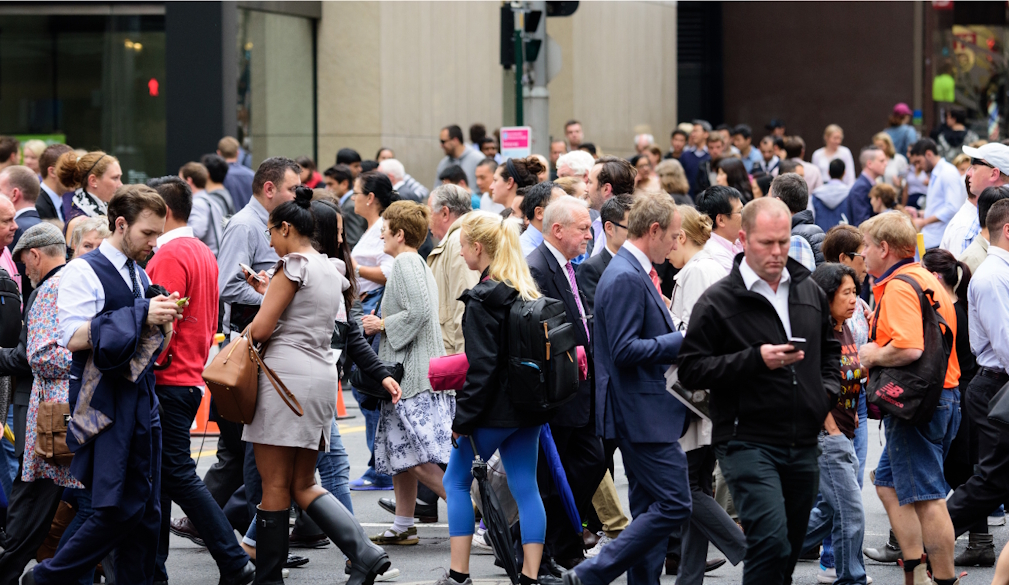
Australian households are facing renewed financial pressure as fuel prices remain stubbornly high, fears of further Reserve Bank interest rate rises continue, and the full impact of the Federal Budget begins to filter through the economy.
For many families, the sense of relief hoped for in 2026 has simply not arrived.
Instead, there is growing concern that Australians are being squeezed from multiple directions at once: at the petrol bowser, through mortgage repayments, at the supermarket checkout and via broader uncertainty about the country’s economic direction.
The mood in many households is increasingly cautious.
Fuel Prices Still Hurting Families
Despite fluctuations in global oil markets over recent months, petrol and diesel prices remain a major pain point for Australian consumers and businesses alike.
In outer suburban and regional areas, where long commutes are unavoidable, fuel costs continue to consume a significant portion of weekly household budgets.
Tradespeople, delivery drivers, transport operators and small business owners are particularly exposed.
For families already struggling with mortgages, rent and grocery costs, every increase at the pump has a ripple effect.
The issue extends far beyond motorists filling private vehicles.
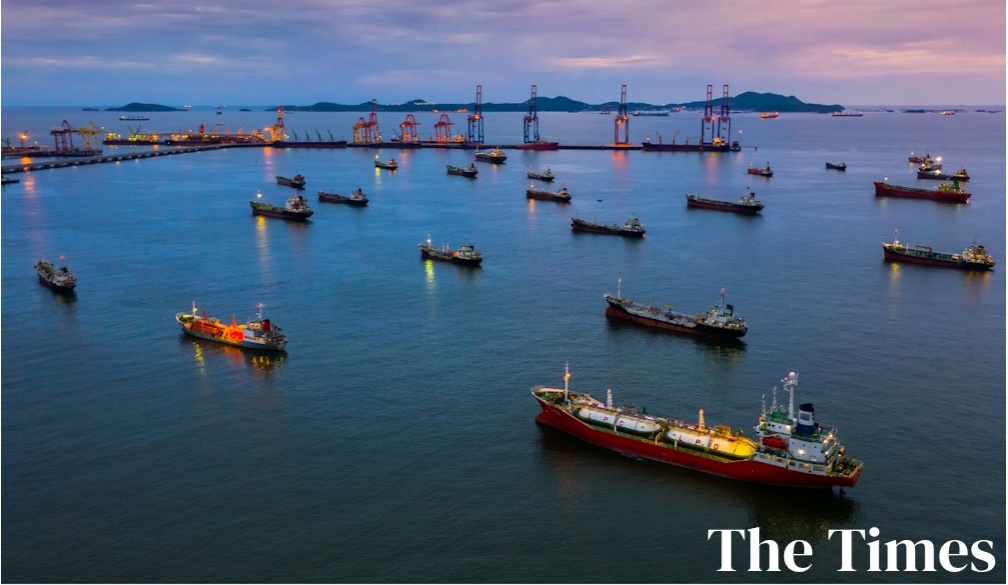
Higher fuel costs increase freight expenses, logistics costs and transport charges throughout the economy. Those costs are ultimately passed on through higher prices for goods and services.
Diesel prices are also attracting attention because of their impact on agriculture, mining and heavy transport sectors that underpin large parts of the Australian economy.
Rate Rise Fears Return
At the same time, Australians remain nervous about the possibility of further interest rate increases from the Reserve Bank of Australia.
While inflation has eased from its peak, many economists warn price pressures remain embedded in parts of the economy.
The RBA continues to walk a difficult line between controlling inflation and avoiding serious economic pain.
Mortgage holders are watching closely.
Many borrowers who fixed loans during the ultra-low interest rate era have already rolled onto significantly higher repayments. Others fear another rate rise could push already stretched household budgets beyond breaking point.
Property owners are not the only ones concerned.
Businesses carrying debt are also feeling the pressure of higher borrowing costs, particularly in sectors such as construction, hospitality and retail where margins can already be tight.
The Budget Anxiety Effect
Adding to the unease is uncertainty surrounding the Federal Budget and what Australians believe may still lie ahead.
While the Government has promoted the Budget as balanced and responsible, critics argue many Australians remain unconvinced about the longer-term outlook.
Some households worry current spending promises may eventually require higher taxation or additional revenue measures in future years.
Others fear inflationary pressures linked to government spending could complicate the Reserve Bank’s task and increase the likelihood of future rate rises.
There is also broader concern about whether enough is being done to stimulate productivity and economic growth.
Among business owners and investors, questions are emerging about confidence, investment incentives and the direction of taxation policy.
For ordinary Australians, however, the concerns are often simpler and more immediate:
Can we still afford the weekly shop, the mortgage, the fuel bill and the family lifestyle we once considered normal?
The Psychological Toll
Economists often focus on data, but consumer psychology plays a powerful role in the real economy.
When Australians become nervous about the future, they spend less freely.
That can affect retail activity, hospitality venues, tourism operators and small businesses that rely heavily on discretionary spending.
There are signs many households are already becoming more conservative with money.
Some families are delaying holidays, reducing dining out, postponing renovations or cutting back on entertainment expenses.
Others are attempting to build savings buffers amid fears conditions could worsen later in the year.
Political Pressure Growing
The political pressure on Canberra is also intensifying.
Fuel prices are one of the most visible and emotionally charged economic issues because motorists see the cost almost daily.
Interest rates carry similar political sensitivity because they directly affect household cash flow and housing affordability.
The Government now faces the difficult task of reassuring Australians that economic conditions remain under control while also addressing concerns about living standards.
Opposition parties and crossbench politicians are already attempting to tap into growing anxiety surrounding household finances and economic management.
What Australians Will Be Watching
In the coming months, Australians are likely to focus heavily on several key indicators:
• Future RBA interest rate decisions
• Inflation data
• Petrol and diesel price movements
• Employment figures
• Property market activity
• Consumer confidence levels
• Household spending trends
The hope for many Australians is that fuel prices ease, inflation continues to moderate and interest rates stabilise.
But for now, the financial pressure remains real.
And across the country, from suburban mortgage belts to regional communities, many Australians are asking the same question:
How much more pressure can households absorb before confidence finally breaks?