First wind, then rain. Next come the mozzies – here’s how to reduce your risk of bites and infections
- Written by: Cameron Webb, Clinical Associate Professor and Principal Hospital Scientist, University of Sydney
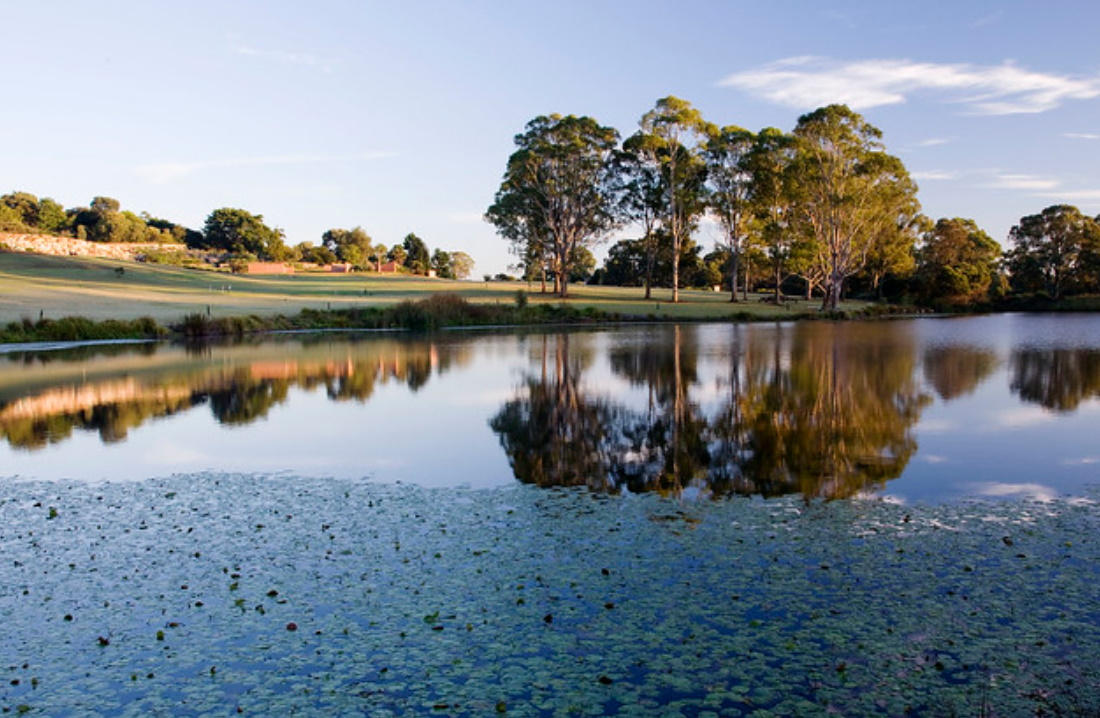
While some parts of southeast Queensland and northern New South Wales are still on alert for flooding, others are starting the difficult clean-up process as flood waters recede.
Stagnant water[1] after floods provides the perfect breeding ground for mosquitoes. So as you clean up, remember to empty containers of water and other reservoirs around your house and yard such as water-filled boats, trailers and other large objects. Get rid of debris that may be collecting water too.
This year, mozzies are carrying the usual viruses we want to avoid, such as Ross River virus, but the potentially deadly Japanese encephalitis virus[2] has also been detected in parts of New South Wales and Queensland.
Will more mozzies mean more disease?
In February 2020, floods in northern NSW boosted mosquito activity and increased cases[3] of mosquito-borne diseases caused by Ross River[4] and Barmah Forest[5] viruses in subsequent months.
But while flood waters may boost mosquito numbers, outbreaks of disease don’t always follow. Hurricanes in North America have been associated with increased mosquito populations[6] but few outbreaks of disease[7].
In Australia too, there are few examples of mosquito-borne disease outbreaks after cyclones – with a notable exception. After Tropical Cyclone Zoe[8] made landfall in 1974, we had one of the one of the biggest outbreaks of Murray Valley encephalitis virus[9] later in the year.
Warmer weather helps drive[10] big mosquito populations, and the forecast predicts a warmer-than-normal[11] autumn. So health authorities are on the lookout for outbreaks of disease.
Japanese encephalitis is already active
Somewhat dry conditions in the summer of 2024-25 have meant mosquito populations in many regions of eastern Australia have remained well below average.
But cases of Japanese encephalitis virus[12] have been widely detected in Victoria[13], NSW[14] and Queensland[15] – in mosquitoes[16], piggeries[17] and feral pigs[18].
Humans have also been infected[19]. Cases are rare but the disease can be serious, with symptoms[20] ranging from fever, headache, and vomiting through to disorientation, coma, seizure and brain swelling. One person has died of the virus this year[21].
Japanese encephalitis virus first arrived[22] in southeastern Australia over the summer of 2021-2022. That followed extensive flooding[23] across the Murray Darling Basin thanks to the arrival of La Niña. At the time, there were phenomenal numbers of mosquitoes[24] that continued over subsequent years as the above average rainfall continued.
In the summer of 2022-23, a significant outbreak of Murray Valley encephalitis[25] was also linked to ongoing flooding. This disease has similar symptoms to Japanese encephalitis[26] and can also be fatal.
Read more: Explainer: what is Murray Valley encephalitis virus?[27]
Mosquito numbers this summer have only been a fraction of what was recorded during those seasons influenced by La Niña. The activity of Japanese encephalitis[28] in 2024-25 has scientists scratching their heads, as it goes against the commonly held theories that greater mosquito numbers combined with increased waterbird activity (typically following flooding) drive greater transmission of viruses such as Japanese and Murray Valley encephalitis.
Fortunately, there is no evidence of these viruses along the coast of southeast Queensland through to northern NSW.
But regions where the virus has already been active, such as Darling Downs[29] in Queensland and Moree[30] in NSW, may see substantial rainfall[31] as a result of ex-Tropical Cyclone Alfred.
Predicting outbreaks is incredibly difficult[32] and relies not just on mosquito activity but also on on the dynamics of the the wildlife hosts that carry these viruses[33]
But unpredictable mosquito-borne disease combined with extreme weather is not a good mix.
Don’t forget about Ross River virus
While not life threatening, disease caused by Ross River virus[34] can be severely debilitating with joint pain and fatigue[35] lasting many weeks or months.
Thousands of cases of infection are reported across the country each year, including in urban areas of southeast Queensland[36] and northern NSW[37].
Concerns about Ross River diseases were already raised with heavy rain and flooding[38] in northern Australia this summer. Case numbers often peak at the end or summer and early autumn[39]. So there is potential for greater activity in the coming months.
Other mosquito-borne pathogens, such as Barmah Forest virus[40], may also be circulating and may cause cases of mild disease but these occur far less commonly than those due to Ross River virus infection.
Protect yourself while cleaning up
If you’re out cleaning up after the storms, try to avoid mosquito bites.
Cover up with long-sleeved shirts, long pants and covered shoes for a physical barrier against mosquito bites.
Use topical insect repellents containing DEET, picaridin, or oil of lemon eucalyptus. Be sure to apply an even coat on all exposed areas of skin for the longest-lasting protection[41].
For those living or working in regions of Queensland[42], NSW[43] and Victoria[44] at risk of Japanese encephalitis, a safe and effective vaccine is available.
References
- ^ Stagnant water (theconversation.com)
- ^ potentially deadly Japanese encephalitis virus (www.health.nsw.gov.au)
- ^ mosquito activity and increased cases (www.sciencedirect.com)
- ^ Ross River (www.health.nsw.gov.au)
- ^ Barmah Forest (www.health.nsw.gov.au)
- ^ increased mosquito populations (www.nature.com)
- ^ outbreaks of disease (pmc.ncbi.nlm.nih.gov)
- ^ Tropical Cyclone Zoe (www.bom.gov.au)
- ^ outbreaks of Murray Valley encephalitis virus (theconversation.com)
- ^ Warmer weather helps drive (onlinelibrary.wiley.com)
- ^ a warmer-than-normal (www.bom.gov.au)
- ^ Japanese encephalitis virus (theconversation.com)
- ^ Victoria (www.health.vic.gov.au)
- ^ NSW (www.health.nsw.gov.au)
- ^ Queensland (www.abc.net.au)
- ^ mosquitoes (www.health.nsw.gov.au)
- ^ piggeries (www.abc.net.au)
- ^ feral pigs (www.daf.qld.gov.au)
- ^ been infected (www.cdc.gov.au)
- ^ symptoms (www.health.nsw.gov.au)
- ^ this year (www.health.nsw.gov.au)
- ^ first arrived (theconversation.com)
- ^ extensive flooding (www.science.org)
- ^ phenomenal numbers of mosquitoes (theconversation.com)
- ^ significant outbreak of Murray Valley encephalitis (www.frontiersin.org)
- ^ similar symptoms to Japanese encephalitis (www.health.nsw.gov.au)
- ^ Explainer: what is Murray Valley encephalitis virus? (theconversation.com)
- ^ activity of Japanese encephalitis (theconversation.com)
- ^ Darling Downs (www.darlingdowns.health.qld.gov.au)
- ^ Moree (www.abc.net.au)
- ^ substantial rainfall (www.abc.net.au)
- ^ incredibly difficult (www.liebertpub.com)
- ^ the wildlife hosts that carry these viruses (theconversation.com)
- ^ Ross River virus (journals.plos.org)
- ^ joint pain and fatigue (www.health.nsw.gov.au)
- ^ southeast Queensland (www.liebertpub.com)
- ^ northern NSW (pmc.ncbi.nlm.nih.gov)
- ^ heavy rain and flooding (www.abc.net.au)
- ^ end or summer and early autumn (www.mdpi.com)
- ^ Barmah Forest virus (www.health.nsw.gov.au)
- ^ longest-lasting protection (theconversation.com)
- ^ Queensland (www.health.qld.gov.au)
- ^ NSW (www.health.nsw.gov.au)
- ^ Victoria (www.health.vic.gov.au)