Up to 40% of bushfires in parts of Australia are deliberately lit. But we’re not doing enough to prevent them
- Written by: Nichola Tyler, Senior Lecturer in Forensic Psychology, Swinburne University of Technology
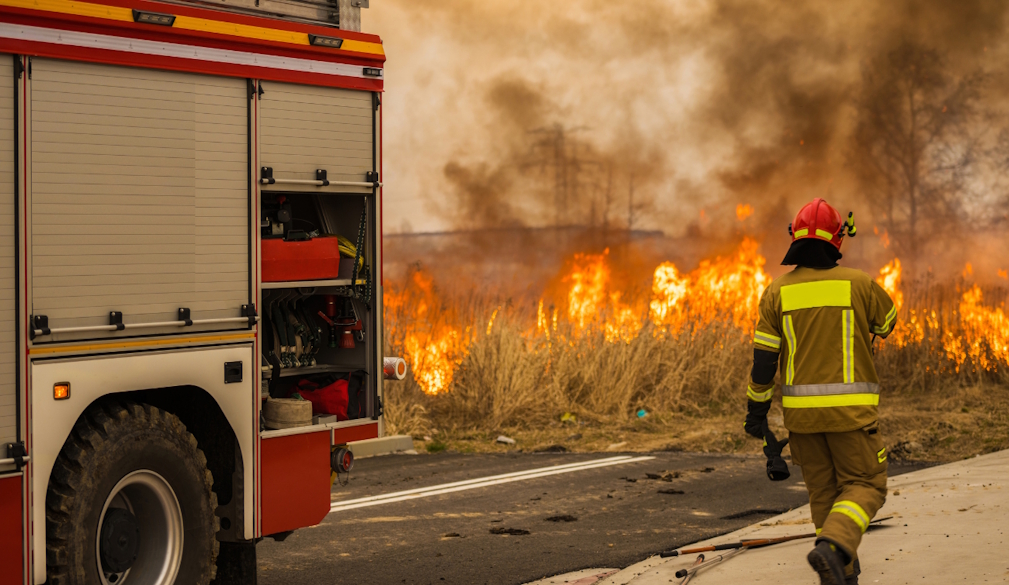
A recent bushfire in Kadnook, western Victoria, which destroyed at least one property and burned more than 1,000 hectares of land, is being investigated due to suspicion it was deliberately lit[1].
This is not an isolated example. About 28% of bushfires in south-east Australia are deliberately lit[2]. The figure rises to 40% if we’re only talking about fires with a known cause.
These figures are consistent with international trends[3] and tell us preventing arson and unsafe fire behaviour alone could significantly reduce the number of bushfires.
Despite this, prevention of deliberately lit bushfires is mostly absent from emergency, public health and climate action plans.
These fires are devastating
Deliberately lit bushfires can spread rapidly and have devastating consequences. They often occur on the edge of urban areas[4] close to populated places, where there are both dense vegetation and flammable structures.
We see a peak in bushfires during summer when hot temperatures, low rainfall, and dry conditions make fire a more potent threat.
Climate change, land management practices, and increased interaction between people and rural areas increase our vulnerability to fire and the risks associated with deliberate fires.
The royal commission into Victoria’s devastating Black Saturday fires in 2009 reported[5] 173 people died and an additional 414 were injured[6]. The commission concluded at least three of the 15 fires that caused (or had the potential to cause) the greatest harm were deliberately lit.
The commission concluded we need to better understand arson. It recommended research to improve how best to prevent arson and how to detect who’s at risk of offending.
Nearly 15 years on from Black Saturday, these recommendations have not been implemented. There is also very limited evidence globally about how to prevent both bushfire arson and deliberately lit fires more broadly (for instance, fires set to structures or vehicles).

Who lights these fires?
We know little about the characteristics and psychology of people who light bushfires or how to intervene to prevent these fires.
The little research we have suggests there is no one “profile” or “mindset” associated with deliberately lighting bushfires.
But there are some risk factors or vulnerabilities[8] we see more commonly in people who light them. These include:
-
an interest or fascination with fire or fire paraphernalia. This could include an interest in watching fire, or a fascination with matches or the fire service
-
experiences of social isolation, including a lack of friends or intimate relationships
-
increased impulsivity
-
general antisocial behaviour, such as contact with the police, truanting or property damage
-
difficulties managing and expressing emotions
-
problems with being assertive.
However, most people with these vulnerabilities will never light a fire.
Research shows rates of mental illness are higher[9] in people who set fires (including schizophrenia, mood and anxiety disorders, personality dysfunction, and substance use disorders). However, mental health symptoms are rarely a direct cause of firesetting[10]. Instead, they appear to worsen existing vulnerabilities.
Why do people light these fires?
There are many, complex reasons why people light fires. Commonly reported drivers include[11]: relieving boredom or creating excitement, gaining positive recognition for putting out a fire (they want to be seen as a hero), as a cry for help, or because they’re angry.
However, not everyone who lights a fire intends to cause serious damage or harm. In some cases, people may not be aware of the possible consequences of lighting a fire or that the fire may spread into a bushfire.
Knowing these kinds of facts about people who light bushfires is important. However, they don’t help us prevent people from lighting fires in the first place. This is because authorities don’t always know who sets the fires.
 Not everyone who lights a fire intends to cause serious damage or harm. Dmytro Sheremeta/Shutterstock[12]
So how can we prevent this?
First, we can learn more about why people set fires more generally, particularly those who do not attract attention from authorities.
Research in the United States[13], United Kingdom[14] and New Zealand[15] has started to investigate those who set fires but don’t attract police attention. The aim is to identify ways to prevent people lighting fires in the first place, and support them so they don’t light more.
There is almost no research in Australia or internationally into the effects of community awareness, and prevention campaigns or targeted strategies to prevent firesetting, including bushfire arson, in higher risk groups.
We know slightly more about interventions to reduce repeat firesetting. Fire safety education programs[16] delivered by fire and rescue services show some promise as an early intervention for children and adolescents who have already set a fire, particularly those motivated by curiosity, experimentation, or who are not aware of the consequences.
There is also some evidence suggesting specialist psychological interventions[17] can be effective in reducing vulnerabilities associated with adult firesetting. Forensic or clinical psychologists typically deliver a combination of cognitive behavioural therapy (a type of talking therapy), skills building (such as building coping skills, emotion and impulse control, and reducing their interest in fire), and fire safety education.
However, availability of firesetting interventions is patchy[18] both in Australia and internationally. Interventions that are available are also not always tailored to people with complex needs[19], such as those with significant emotional or behavioural problems or mental health needs. We also don’t know if these interventions lead to a long-term change in behaviour.
Climate change is making this urgent
The continued and escalating effects of climate change makes it more urgent than ever to address the problem of deliberate firesetting, including bushfire arson[20].
Failing to address deliberate firesetting will have significant long-term consequences for public health, human life and the environment.
But until funding is available for Australian arson research, identifying and helping people who are more likely to set fires will continue to be based on guesswork rather than evidence.
As we enter another summer of high fire danger, our failure to fund arson research should be at the forefront of everyone’s minds.
References
- ^ suspicion it was deliberately lit (www.abc.net.au)
- ^ deliberately lit (www.publish.csiro.au)
- ^ international trends (www.sciencedirect.com)
- ^ on the edge of urban areas (www.tandfonline.com)
- ^ reported (royalcommission.vic.gov.au)
- ^ 414 were injured (www.cfa.vic.gov.au)
- ^ FiledIMAGE/Shutterstock (www.shutterstock.com)
- ^ vulnerabilities (www.tandfonline.com)
- ^ rates of mental illness are higher (journals.sagepub.com)
- ^ rarely a direct cause of firesetting (www.taylorfrancis.com)
- ^ include (www.aic.gov.au)
- ^ Dmytro Sheremeta/Shutterstock (www.shutterstock.com)
- ^ United States (www.sciencedirect.com)
- ^ United Kingdom (www.tandfonline.com)
- ^ New Zealand (www.tandfonline.com)
- ^ Fire safety education programs (www.sciencedirect.com)
- ^ specialist psychological interventions (www.sciencedirect.com)
- ^ availability of firesetting interventions is patchy (www.thelancet.com)
- ^ complex needs (www.tandfonline.com)
- ^ deliberate firesetting, including bushfire arson (esajournals.onlinelibrary.wiley.com)