NASA’s New Direction — And Why Australia Wants a Seat at the Space Table
- Written by: The Times
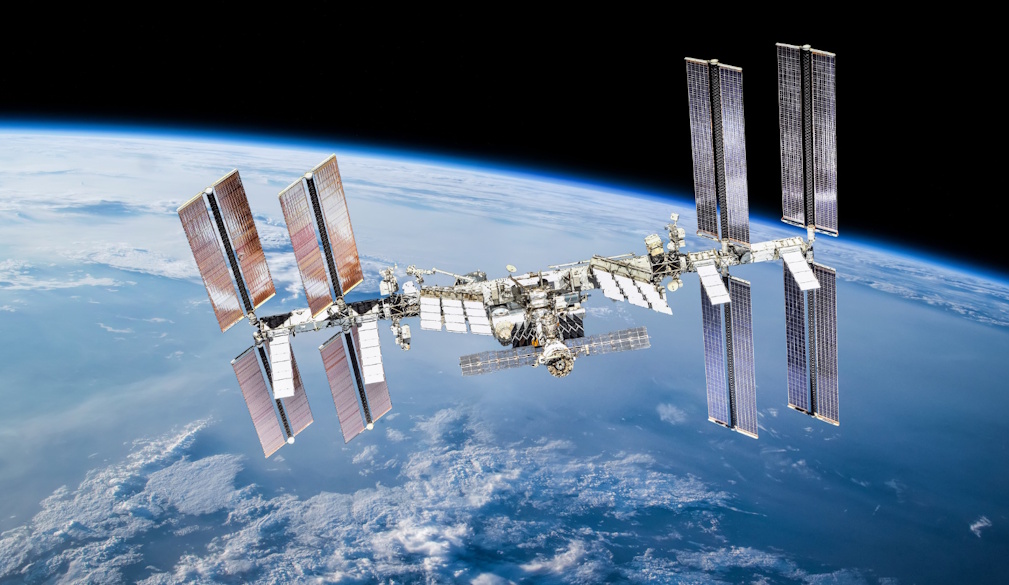
The modern space race is no longer simply about astronauts walking on the Moon or robots landing on Mars. Space has become a contest for technological supremacy, military capability, communications control, artificial intelligence leadership and economic influence.
In Washington, a major strategic shift is underway as NASA accelerates partnerships, restructures priorities and aligns personnel to strengthen American dominance in space.
But increasingly, America is not acting alone.
Australia — through the Australian Space Agency, universities, defence projects and private aerospace firms — is positioning itself as an important strategic partner in the emerging Indo-Pacific space framework.
The implications for Australia could be enormous.
Space Is Now About Power
For decades, NASA was primarily viewed as a scientific organisation focused on exploration and research. Today, the language surrounding space has changed dramatically.
Governments now openly discuss space as:
• A Defence Domain
• A Communications Backbone
• A Technology Battlefield
• An Economic Frontier
• A National Security Priority
The establishment of the United States Space Force confirmed what many strategists had long believed: future geopolitical influence will depend heavily on who controls critical space infrastructure.
Satellites already underpin:
• GPS Navigation
• Military Intelligence
• Global Communications
• Financial Systems
• Internet Networks
• Weather Monitoring
• Missile Detection
Losing superiority in orbit could severely weaken a nation’s economy and defence capability.
NASA’s Personnel and Policy Shift
The United States is increasingly appointing and promoting individuals with backgrounds in:
• Commercial Aerospace
• Rocket Engineering
• Defence Technology
• Artificial Intelligence
• Cybersecurity
• Autonomous Systems
• Military Strategy
At the same time, the line between government and private-sector space capability is becoming increasingly blurred.
NASA is working more closely than ever with companies such as SpaceX, Blue Origin, Lockheed Martin and Boeing.
This commercial partnership model allows America to accelerate innovation far faster than traditional government procurement systems once allowed.
Australia’s Growing Role
Australia may not yet possess the scale of America, China or Europe in space technology, but its strategic importance is rising rapidly.
The Australian Space Agency has become increasingly active in:
• Satellite Technology
• Deep Space Communications
• Robotics Research
• Defence Collaboration
• Launch Infrastructure
• Lunar Mission Support
Australia’s geographic position is highly valuable to the United States and its allies.
Large land masses with relatively low population density make Australia attractive for:
• Tracking Stations
• Rocket Launch Facilities
• Space Surveillance
• Defence Installations
• Deep Space Communication Arrays
American defence planners increasingly view Australia as a critical Indo-Pacific partner in maintaining technological and strategic balance against China.
The China Factor
Much of the urgency behind America’s renewed space push stems from concern over China’s rapid advances.
China has heavily invested in:
• Lunar Missions
• Space Stations
• Military Satellite Systems
• Hypersonic Technologies
• Deep Space Research
• AI Integration
China’s rise has intensified competition throughout the Indo-Pacific region, including Australia.
Canberra faces a difficult balancing act.
China remains Australia’s largest trading partner, yet Australia is increasingly aligned with American defence and strategic priorities through arrangements including AUKUS and broader Indo-Pacific cooperation.
Space is becoming part of that equation.
Australian Industry Sees Opportunity
Australian companies and universities are also positioning themselves to benefit economically from the expanding space sector.
Potential Australian growth areas include:
• Mining Technology for Lunar Operations
• Space Robotics
• Remote Communications
• Defence Manufacturing
• Satellite Services
• Advanced Materials
• Autonomous Systems
Australia already possesses expertise in remote operations due to its mining industry — a capability that translates well into robotics and autonomous systems for lunar and deep-space missions.
The idea that Australian technology could eventually help build infrastructure on the Moon no longer sounds unrealistic.
NASA’s Artemis Program and Australia
NASA’s Artemis Program — designed to return humans to the Moon and establish long-term infrastructure — has also opened opportunities for allied participation.
Australia has already contributed through robotics and technology partnerships linked to lunar exploration initiatives.
This cooperation strengthens both scientific collaboration and strategic alliances.
For Australia, participation offers more than prestige.
It provides access to:
• Advanced Technology Development
• High-Value Manufacturing
• International Partnerships
• Defence Integration
• Skilled Employment Growth
Space and National Security
Australia’s defence community increasingly recognises that future conflicts may extend far beyond traditional battlefields.
Disruption to satellite systems could impact:
• Banking Networks
• Emergency Services
• Aviation
• Shipping
• Telecommunications
• Military Coordination
As a result, Australia’s involvement in allied space capability is becoming a national security issue rather than merely a scientific ambition.
Elon Musk and the Commercial Revolution
The rise of Elon Musk and SpaceX has transformed global space economics.
Reusable rockets dramatically reduced launch costs and accelerated deployment capability.
That shift affects Australia directly.
Lower launch costs increase the viability of Australian-based space businesses, satellite projects and launch infrastructure.
Australia is increasingly attempting to position itself as part of the commercial space supply chain rather than remaining merely an observer.
Critics Warn of Militarisation
Not everyone is comfortable with the direction of global space policy.
Critics argue the language of “space dominance” risks turning orbit into a militarised theatre of geopolitical confrontation.
Others fear major corporations could gain excessive control over communications and infrastructure critical to governments and citizens alike.
There are also concerns that growing rivalry between the United States and China could trigger an expensive and dangerous arms race extending beyond Earth.
Australia’s Space Moment
For Australia, the global space race presents both opportunity and risk.
The nation could become:
• A Strategic Allied Space Hub
• A Launch and Tracking Centre
• A High-Tech Manufacturing Partner
• A Defence Technology Contributor
• A Key Indo-Pacific Infrastructure Node
Or it could fall behind while larger powers dominate the next generation of technology and orbital infrastructure.
What is increasingly clear is that space is no longer a fringe scientific curiosity.
It is becoming one of the defining economic, military and technological battlegrounds of the 21st century.
And Australia appears determined not to be left watching from the sidelines.