TikTok Safety: Why Australians Must Protect Their Identity, Location And Privacy Online
- Written by: The Times
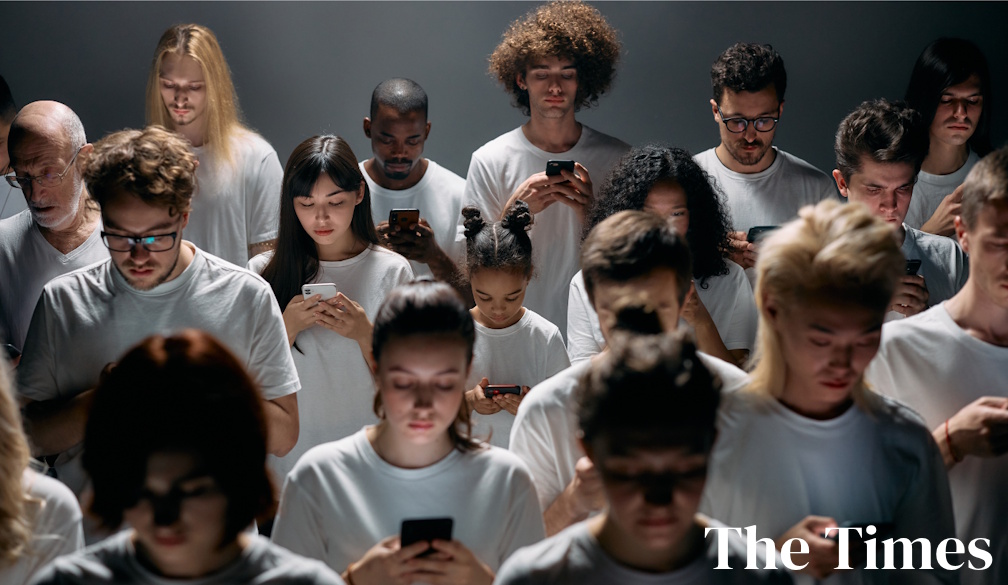
For millions of Australians, TikTok has become part of everyday life. The platform delivers entertainment, news, humour, music, fashion, politics and viral trends at astonishing speed. Young Australians in particular spend hours scrolling through short-form videos, often sharing large parts of their daily lives in the process.
But cyber safety experts and parents are increasingly warning that users need to remember one important fact: TikTok is a business, not a friend.
Like many major social media platforms, TikTok exists to attract attention, collect user engagement and generate advertising revenue. Every click, pause, location setting, interaction and viewing habit has potential commercial value.
That reality means users should approach the platform with caution, awareness and strong personal safety habits.
Your Identity Can Be Exposed Without Realising It
Many users unintentionally reveal far more information than they think.
A short video filmed outside a school, workplace, café or home can expose location details almost instantly. Street signs, car number plates, landmarks, uniforms and even reflections in windows may reveal where somebody lives, studies or works.
Some users also post:
• Daily Routines
• School Locations
• Workplace Information
• Travel Plans
• Relationship Details
• Children’s Identities
• Home Interiors
• Expensive Purchases
Cyber security specialists warn that individually these details may seem harmless, but combined together they can create a detailed picture of somebody’s life.
In extreme situations, obsessive viewers or bad actors may use publicly available information to track a person’s movements or identity.
Not Everyone Online Has Good Intentions
Most TikTok users are ordinary people seeking entertainment or social interaction. But authorities and online safety experts repeatedly warn that social media platforms can also attract individuals with unhealthy or dangerous behaviour.
Obsessive conduct online is a growing concern globally.
Some individuals form unhealthy attachments to creators or viewers they have never actually met. Others may attempt manipulation, scams, emotional exploitation or harassment.
Young users can be particularly vulnerable because online interactions often feel informal and familiar.
Experts say users should remember:
• Online Followers Are Not Necessarily Friends
• A Profile Photo Does Not Verify Identity
• Messages Can Be Manipulative
• Fake Accounts Are Common
• Scammers Often Build Trust Slowly
The problem is not unique to TikTok, but the platform’s highly personalised algorithm can intensify exposure and interaction patterns.
Parents And Caregivers Have A Critical Role
Parents, guardians and caregivers are increasingly being urged to take an active role in guiding younger users.
That does not necessarily mean banning social media entirely. Rather, experts encourage ongoing conversations about:
• Privacy Settings
• Location Sharing
• Stranger Contact
• Screen Time
• Online Bullying
• Digital Reputation
• Personal Boundaries
Children and teenagers often do not fully appreciate the permanence of online content. Videos can be copied, downloaded, reshared and archived long after they are deleted.
Parents are also being encouraged to regularly review privacy settings with children and discuss the risks of oversharing personal information.
Importantly, safety experts say trust and communication are usually more effective than fear-based approaches.
TikTok Collects Data Because Data Has Value
Many consumers still underestimate the commercial value of their online behaviour.
Social media companies collect enormous quantities of information because targeted advertising is highly profitable.
That includes data linked to:
• Who Users Interact With
• What Content They Watch
• Where They Are Located
• When They Use The App
• How Long They Watch Videos
• What They Search For
• What They Purchase Or Discuss
The more detailed the behavioural profile, the more valuable the advertising opportunities become.
This business model is not exclusive to TikTok. Most major digital platforms operate in similar ways. However, critics argue many users — especially younger ones — do not fully understand how much information they are voluntarily providing.
Protecting Yourself Online
Experts recommend several practical steps to improve safety while using TikTok and other social media platforms.
These include:
• Disabling Precise Location Sharing
• Avoiding Videos Outside Your Home Or School
• Keeping Accounts Private Where Possible
• Limiting Personal Details In Profiles
• Avoiding Real-Time Posting Of Locations
• Turning Off Contact Synchronisation
• Reviewing App Permissions Regularly
• Ignoring Suspicious Direct Messages
• Reporting Harassment Immediately
Users are also advised to avoid posting content that reveals predictable routines, such as the exact times they leave home, attend school or finish work.
Conduct Research Before Responding To Strangers
One increasingly common issue involves strangers contacting users after seeing their TikTok content.
Sometimes the contact may be harmless. Other times it may involve scams, fake business opportunities, impersonation or manipulation.
Cyber safety specialists strongly recommend conducting basic online research before engaging with unknown individuals.
That can include:
• Searching Their Name Online
• Checking LinkedIn Or Professional Profiles
• Looking For Established Business Websites
• Reviewing Public Reviews Or Complaints
• Confirming Whether Photos Appear Fake Or Stolen
If something feels unusual, users should proceed cautiously or avoid responding altogether.
Digital Fame Can Come With Real Risks
TikTok has created overnight celebrities, influencers and business opportunities. For some Australians, the platform has become a legitimate career pathway.
But visibility also increases exposure.
The more public a profile becomes, the greater the potential risks involving harassment, impersonation, stalking or reputational damage.
Experts say Australians should approach social media with the same caution they would apply in the physical world.
Few people would hand personal information to strangers in a shopping centre. Yet online, many users unknowingly provide even more sensitive details to massive audiences every day.
Safety First
TikTok can be entertaining, creative and commercially valuable. It can connect communities, promote businesses and provide educational content.
But users should never forget the underlying reality: social media platforms are businesses designed to maximise engagement and monetise attention.
Australians increasingly live significant portions of their lives online. That means digital awareness is now as important as physical awareness.
Privacy, caution and common sense remain the strongest protections in an increasingly connected world.