Pauline Hanson’s Senate Speech on the Budget: “Australians Are Becoming Poorer”
- Written by: The Times
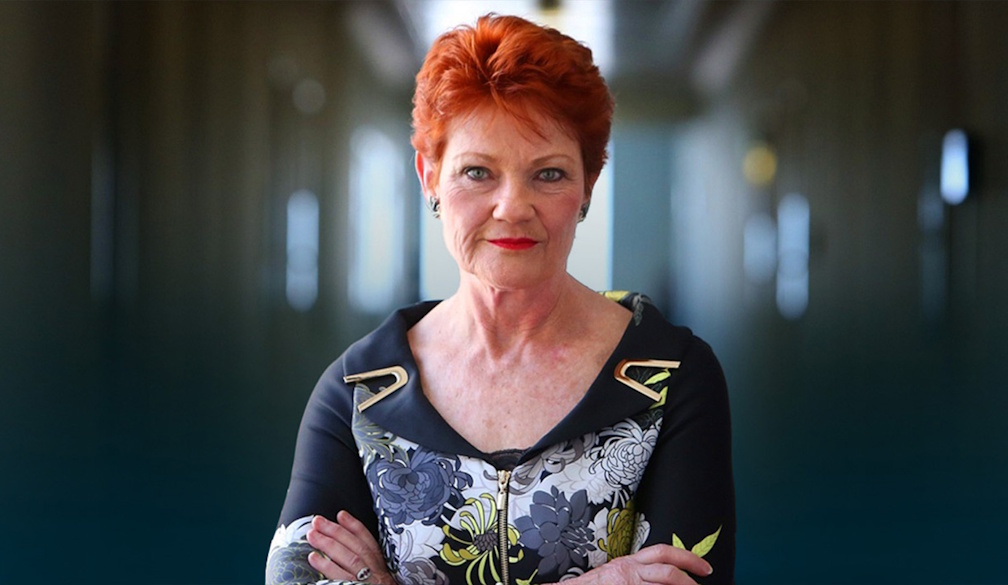
Senator Pauline Hanson has used her latest Senate speech on the federal budget to launch a fierce attack on the Albanese government’s economic management, arguing that ordinary Australians are being crushed by inflation, housing costs, energy prices and growing national debt.
The One Nation leader delivered the speech during a Senate debate on the federal budget and broader economic conditions, accusing Labor of reckless spending and warning that younger Australians would inherit what she described as an unsustainable financial burden.
Her address reflected themes that have become central to One Nation’s political messaging: opposition to mass immigration, criticism of net zero climate policies, concerns over housing affordability and distrust of what Hanson portrays as a detached political establishment.
“Living Standards Have Gone Backwards”
In the Senate debate, Hanson argued that Australians have become materially worse off since Labor came to office in 2022.
She pointed to rising mortgage repayments, escalating rents and falling disposable income as evidence that household finances are under severe pressure. Hanson claimed many Australians are now forced to work multiple jobs simply to maintain their standard of living.
The One Nation leader framed the budget not as a pathway to recovery, but as a continuation of policies she believes are increasing financial stress.
Central to her argument was the claim that government spending is fuelling inflation and therefore contributing to higher interest rates. Hanson said Australians were effectively paying more tax through bracket creep and rising prices while government debt continued climbing toward historic levels.
Housing and Immigration at the Centre of the Speech
Housing affordability featured prominently throughout Hanson’s remarks.
She argued that Labor’s housing initiatives have failed to substantially increase supply while migration levels continue placing pressure on rents and property prices. Hanson accused the government of ignoring demand-side pressures created by rapid population growth.
The senator also criticised proposed changes affecting property investors, warning that altering capital gains tax arrangements and negative gearing settings could discourage investment and worsen rental shortages.
Hanson’s position reflects broader concern among some investors and sections of the property industry that changes to taxation settings could reduce the number of rental properties entering the market.
Energy Prices and Net Zero Policies
Another major theme of Hanson’s speech was energy policy.
The One Nation leader blamed net zero emissions policies for rising electricity costs and argued that Australia’s energy system was becoming less reliable and more expensive for households and businesses.
Hanson called for stronger support for coal, gas and nuclear energy, describing them as necessary for economic stability and industrial competitiveness.
Her speech echoed arguments increasingly heard from conservative and regional political voices who believe Australia’s transition toward renewable energy is moving too quickly and imposing heavy costs on consumers.
“Sheriff of Nottingham Budget”
Outside Parliament, Hanson reportedly described Labor’s budget as a “Sheriff of Nottingham budget”, accusing the government of taking more from productive Australians through taxation and inflation.
The language reflected Hanson’s longstanding political positioning as a defender of working Australians against what she sees as political elites and bureaucratic overreach.
Her speech also sought to present One Nation as a growing political force capable of shaping national debate beyond its Senate representation.
Following strong polling and recent electoral momentum in regional areas, Hanson suggested that many Australians feel abandoned by both major parties and are searching for alternatives outside the traditional political system.
Fierce Response from Labor and the Greens
Hanson’s speech triggered sharp criticism from Labor and Greens senators during the debate.
Government senators challenged her claims about foreign ownership and housing, arguing that overseas buyers account for only a small percentage of Australian housing stock and that existing restrictions are already strong.
Greens senator David Shoebridge used his contribution to accuse Hanson of using migration and cultural issues as distractions from broader economic inequality and corporate influence in politics.
The debate became highly personal at times, reflecting the increasingly combative atmosphere surrounding economic policy, migration and housing affordability in federal politics.
A Reflection of Australia’s Broader Mood
Regardless of whether Australians agree with Hanson’s politics, her speech highlighted genuine anxieties that are now shaping national discussion.
Housing affordability has become one of the defining issues of modern Australia. Mortgage stress, rental shortages and rising living costs dominate household conversations across the country.
Energy prices continue affecting businesses and families alike. Inflation remains politically dangerous. Concerns about government debt and taxation are growing louder.
Hanson’s political strength has often come from identifying frustrations that many Australians feel but believe are ignored by mainstream political institutions.
Her latest Senate speech attempted to channel that frustration directly into criticism of the federal budget and Labor’s broader economic agenda.
The Political Significance
The speech also demonstrated how the political landscape is shifting.
One Nation’s policies on immigration, energy and national self-sufficiency increasingly overlap with rhetoric emerging from sections of the Coalition. Hanson herself argued that major conservative parties are now borrowing ideas that One Nation had advocated years earlier.
As economic pressures continue building, smaller parties and crossbench senators may gain increasing influence over public debate.
For Labor, the challenge will be convincing voters that its budget strategy can deliver long-term stability without worsening inflation or housing pressures.
For Hanson, the opportunity lies in presenting herself as the voice of Australians who believe the current economic system is no longer working in their favour.