Impact of Coronavirus – financial expert shares top tips for SMEs to reduce effects
- Written by: Media Release
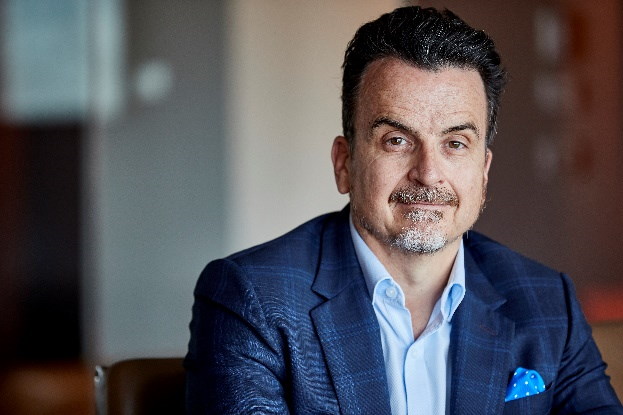
With one in six Australian businesses impacted by Coronavirus and numbers expected to increase, SMEs from a multitude of industries will begin feeling the knock-on effects to their cash flow and resources. 1 Presently, the heightened restriction of travel and lack of resources are the main issues SMEs are facing.
As of 11 March 2020, the WHO classified COVID-19 as a pandemic, which may have considerable economic distress and more significant flow-on effects to SMEs than the Global Financial Crisis of 2007. 2 Leo Tyndall, CEO of Marketlend, the company that powers UnLock, believes that now is the time that SMEs need to pre-plan to anticipate their industry movements in the months to come. He shares his top tips for SMEs to implement to reduce the effects of Coronavirus.
1. Investigate and do due diligence for external manufacturers
“China is the onset of manufacturing for many businesses. Any businesses engaging with or relying on manufacturers in China need to consider quality control of goods and ensure supplies get delivered within the required timeframe. Paying a deposit and end payment can assist with this. SMEs need to investigate and perform due diligence on factories’ delivery time or negotiate how to improve this process in the current circumstances. Coronavirus will impact businesses for up to 6 to 12 months.”
2. Implement alternative work methods for senior staff following travel restrictions
“Following a workflow reduction in China, there are growing concerns for the same situation will occur in other countries. Senior personnel of SMEs should not be travelling as they risk affecting the business’ day-to-day operations if they contract Coronavirus and need to self-isolate. The restriction of travel may mean businesses are unable to perform at their optimal state in the short-term. To adapt to the circumstances, SMEs can implement methods such as working from home, conducting meetings online or via video and coordinating workload with staff. It’s important not to jump into a mass hysteria but rather find effective solutions.”
3. Use suppliers in different countries
“SMEs need to develop a level of trust with suppliers in different countries if they are finding themselves lacking or low in resources because of the Coronavirus. Do in-depth research to find a supplier that can deliver the same quality and quantity of stock that you ordinarily require. Some may request upfront payment which may cause problems for businesses experiencing cash flow problems. In that case, businesses can use a payment gateway such as UnLock that extends payment terms and enables SMEs to boost their purchasing power with more working capital to grow and stay afloat during these uncertain economic times. UnLock uses similar payment terms that SMEs were previously using from well-established suppliers.”
4. Utilise a sustainable cash flow option
“SMEs can utilise a sustainable cash flow option, such as UnLock. The ‘Buy Now Pay Later’ solution can transform business cash flow by allowing businesses to match their cash flow out against the cash flow they receive. Business owners can pay within 90 days, giving them sufficient time to sell the goods, resulting in continual positive cash flow. In the current situation with Coronavirus, UnLock has decreased risk measures by incorporating an additional check of supplier payments and identified all borrowers and Chinese manufacturers. The service has also escalated the approval process to senior management to sign off transactions to ensure prompt payment to suppliers and on-time deliveries.”
For more information, visit https://unlockb2b.com/
About UnLock:
UnLock is a product of Marketlend, a Marketplace lending solution, offering working capital solutions for SMEs. UnLock is an Australian Buy Now Pay Later B2B solution. It is a new payment gateway enabling SMEs to boost their purchasing power with more working capital to grow. Suppliers can offer this payment gateway to enable buyers to pay upfront and have extended supplier terms of up to 30, 60 or 90 days.