Finding the Right Disability Housing in Perth: A Practical Guide for Participants and Families
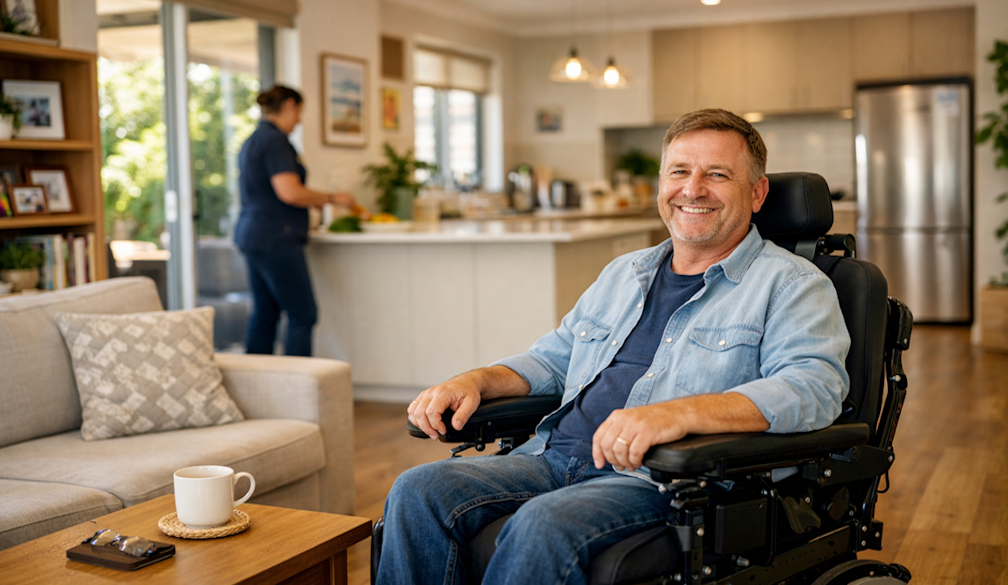
Where you live shapes everything. It shapes the relationships you build, the community you belong to, the independence you're able to exercise, and the quality of life you experience day to day. For people living with disabilities, finding the right home — one that genuinely supports their needs, respects their choices, and gives them a real sense of belonging — is not just a practical matter. It's deeply personal.
Yet navigating the world of disability housing in Perth can feel overwhelming, particularly for families who are doing it for the first time. The NDIS funding landscape, the range of housing models available, the eligibility criteria, the waitlists — there's a lot to absorb. And underneath all of it is the most important question of all: what does the right home actually look like for your family member?
This guide is designed to cut through the complexity. Whether you're an NDIS participant beginning to explore housing options, a parent planning for your adult child's future, or a family member supporting someone through a transition, this article will walk you through what you need to know — clearly, honestly, and with the practical detail that actually helps.
Why Housing Matters So Much in the Disability Space
Housing is recognised internationally as a fundamental social determinant of health and wellbeing. For people with disability, the relationship between housing and quality of life is particularly direct. The right home environment can support greater independence, facilitate community participation, reduce reliance on intensive support, and contribute to positive mental health outcomes. The wrong environment — or worse, unstable or inappropriate housing — can have the opposite effect across every one of those dimensions.
In Australia, the NDIS has transformed the disability housing landscape by creating dedicated funding pathways that allow participants to access housing that genuinely matches their support needs. But funding alone doesn't solve the housing challenge. Supply of quality, accessible, supported accommodation in Perth remains a significant issue, and understanding how to navigate the system is essential to securing a good outcome.
For families, the stakes are particularly high. Many parents of adult children with disability carry enormous anxiety about what will happen to their child when they are no longer able to provide care. Finding stable, safe, quality housing — with the right support systems in place — is one of the most meaningful things a family can do to address that anxiety and ensure their loved one's long-term wellbeing.
Understanding the Housing Options Available Through the NDIS
The NDIS funds several distinct types of housing and accommodation support, and understanding the differences is the essential starting point for any housing conversation.
Specialist Disability Accommodation (SDA)
Specialist Disability Accommodation — commonly known as SDA — is NDIS funding specifically for the physical housing itself. It is available to participants with extreme functional impairment or very high support needs who require housing with specialist design features or access to nearby overnight support.
SDA funding pays for the bricks and mortar — the specialist-designed property — while the support services within the home are funded separately through the participant's Supported Independent Living (SIL) or other support budgets. SDA properties are built or modified to one of four design categories: Improved Liveability, Fully Accessible, High Physical Support, and Robust. Each category addresses different levels of physical and functional need.
Not all NDIS participants are eligible for SDA. Eligibility is determined through the NDIS planning process and requires evidence that the participant's needs cannot reasonably be met in standard housing. Approximately six per cent of NDIS participants are eligible for SDA funding — but for those who are, it opens access to purpose-built housing that can make an extraordinary difference to daily life.
Supported Independent Living (SIL)
Supported Independent Living funding covers the support services provided within a shared or individual living environment — not the housing itself. SIL supports participants to live as independently as possible, with assistance for daily tasks such as personal care, meal preparation, medication management, and community access.
SIL can be delivered in a range of settings — from shared accommodation with other participants to individual apartments where a participant lives alone with scheduled support hours. The amount of SIL funding in a participant's plan reflects the intensity of support required, ranging from lower-needs drop-in support to 24-hour active overnight support for participants with complex needs.
Individual Living Options (ILO)
Individual Living Options is a more flexible, newer funding model within the NDIS that supports people to design their own living arrangement, with support structures that are genuinely tailored around the individual rather than fitting into a pre-existing model. ILO might involve living with a host family, co-residency arrangements with a support worker, or supported flatmate arrangements — the key principle is participant choice and control over how support is delivered in the home.
ILO is particularly well-suited to participants who want a more personalised, less institutional living arrangement and who have clear ideas about how they want to live and who they want support from.
Short-Term and Medium-Term Accommodation
The NDIS also funds Short-Term Accommodation (STA) — sometimes called respite — which provides temporary supported accommodation for participants and a break for their informal carers. Medium-Term Accommodation (MTA) is available for participants who are waiting for their longer-term housing arrangement to become available, bridging what can otherwise be a difficult gap between living situations.
What to Look for in Quality Disability Housing
Not all disability accommodation is created equal, and knowing what to look for — beyond the physical features of the property — is essential for families making this decision.
Location and Community Connection
The location of a disability housing arrangement has a profound impact on the participant's quality of life. Proximity to family, friends, community activities, public transport, healthcare services, and employment or day programme options all contribute to a participant's ability to live a full, connected life.
Isolated locations, even if the physical property is excellent, can undermine community participation and increase dependence on support workers for social connection. When evaluating housing options, consider the neighbourhood as carefully as the property itself.
The Support Provider and Their Culture
In shared supported accommodation, the support provider — the organisation delivering SIL or other in-home support — is as important as the physical environment. The culture of the provider, the stability and training of their support workforce, their approach to participant rights and self-determination, and their track record in delivering quality care are all critical factors.
Visit the accommodation before committing. Speak with the support staff. Ask about staff turnover, how rosters are managed, and how the provider responds when things go wrong. Quality providers welcome this level of scrutiny because they know their practices stand up to it.
Design and Accessibility Features
For participants with physical disability, the design features of the property directly affect independence and safety. Features to consider include:
- Wheelchair accessibility throughout — not just at entry points
- Ceiling hoists or hoist rails in bedrooms and bathrooms where required
- Wet area bathroom design with adequate turning space and appropriate fixtures
- Smart home technology for environmental controls — lighting, temperature, security, and communication systems
- Emergency call systems and appropriate fire safety provisions
- Outdoor access and private outdoor space where possible
For participants whose primary needs are psychosocial or cognitive rather than physical, design features focused on sensory environment, security, and ease of navigation may be more relevant than physical accessibility modifications.
Participant Rights and Choice
Quality disability housing arrangements respect the rights of participants to make decisions about their own lives — who supports them, how their day is structured, who visits their home, and how their personal space is managed. The NDIS Practice Standards and Quality Indicators set clear expectations about participant rights, and any housing and support arrangement should be demonstrably aligned with those standards.
Be cautious of arrangements where participant choice and control feel secondary to operational convenience. A good housing arrangement feels like the participant's home first and a service setting second.
Navigating Disability Accommodation in Perth: Practical Steps
For families beginning the housing journey in Perth, the process can feel daunting. Here's a practical framework for approaching it:
Step 1: Get the NDIS Plan Right
Housing-related funding — whether SDA, SIL, ILO, or MTA — needs to be specifically included in the participant's NDIS plan. This requires evidence from allied health professionals and support coordinators that clearly articulates the participant's housing needs and the rationale for the funding being requested. Many families find that their initial NDIS plans don't include the housing support they need because the evidence wasn't in place at the time of planning.
If housing is a priority, start building the evidence base early — occupational therapist assessments, functional capacity evaluations, and specialist reports that clearly document housing needs and the likely outcomes of appropriate housing support are all relevant.
Step 2: Engage a Support Coordinator or Specialist Support Coordinator
A Support Coordinator with experience in housing can be invaluable in navigating the options available in Perth. They can help identify suitable SDA properties, connect families with quality SIL providers, assist with the process of designing an ILO arrangement, and advocate for the participant through NDIS planning reviews if additional housing funding is needed.
Specialist Support Coordinators — who work with participants with more complex needs — often have established relationships with quality housing and support providers and can provide access to options that families might not find through their own research.
Step 3: Research Providers Thoroughly
Perth has a range of registered NDIS providers offering disability accommodation in Perth across different support models and locations. Research providers thoroughly — check their NDIS registration, review any relevant reports from the NDIS Quality and Safeguards Commission, visit properties where possible, speak with current participants and families if the provider will facilitate that, and ask direct questions about staffing, incident management, and participant outcomes.
Step 4: Plan for Transitions
Moving into new accommodation is a significant life transition, and for people with disability it requires careful planning and support. Work with the provider and the participant's support network to plan the transition in detail — visits before the move, gradual introduction to new support staff, clear communication about routines and preferences, and regular check-ins in the weeks following the move.
Good providers understand that transitions take time and that the first weeks and months in a new home are a period of adjustment for everyone involved. They will have processes in place to support a smooth transition and will communicate proactively with families about how the participant is settling in.
The Importance of Getting Housing Right
For people with disability and their families, housing is not just a practical need — it's the foundation on which everything else is built. The right home, with the right support, in the right location, delivered by people who genuinely care about the participant's wellbeing, can be genuinely transformative. It can unlock independence that wasn't thought possible, build social connections that enrich daily life, and give families the peace of mind that their loved one is safe, happy, and living well.
The journey to finding that home takes time, effort, and advocacy — but it is absolutely worth it. Families who approach the process with clear information, realistic expectations, and the right support around them consistently achieve better outcomes than those who navigate it alone.
If you're beginning to explore housing options for yourself or a family member in Western Australia, connecting with experienced disability housing providers and support coordinators who know the Perth market is the best first step you can take.