The Goals of Supported Independent Living for People with Disability
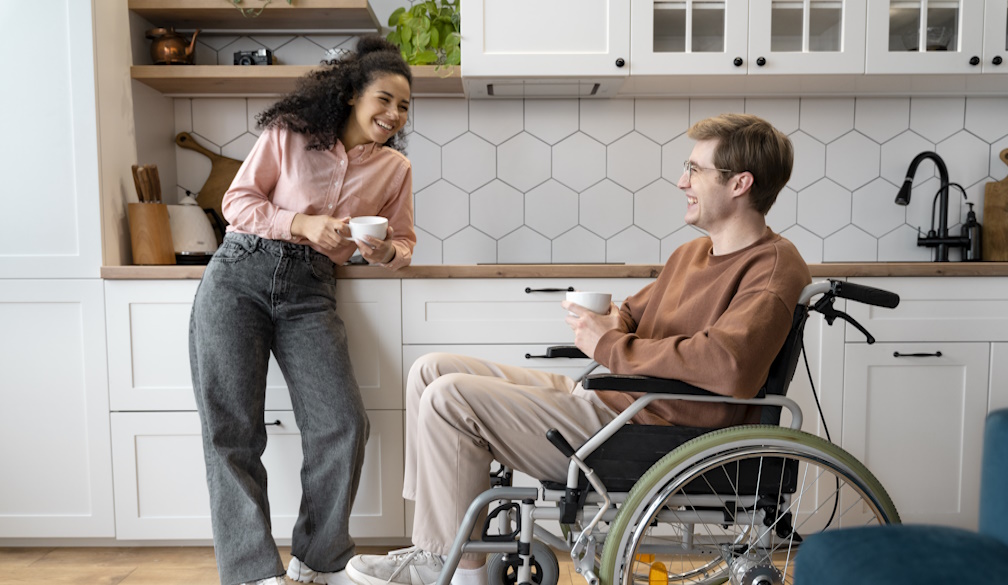
Supported Independent Living (SIL) plays a vital role in empowering people with disability to live more independently while still receiving the support they need. As part of Australia’s National Disability Insurance Scheme (NDIS), SIL focuses on helping participants build practical life skills, maintain meaningful routines, and participate fully in their communities.
Rather than simply providing accommodation, Supported Independent Living is about creating an environment where individuals can grow in confidence, autonomy, and wellbeing. With the right support structure in place, people can develop the skills required to manage daily tasks, pursue personal goals, and build fulfilling lives.
For families and participants exploring their options, understanding what to expect from a SIL provider in 2026 can also help clarify how these services are evolving to better support independence and inclusion.
Below, we explore the key goals that guide Supported Independent Living programs across Australia.
Promoting Greater Independence
One of the central goals of SIL is to help individuals become as independent as possible in their daily lives. Independence doesn’t necessarily mean doing everything alone. Instead, it focuses on building confidence and skills so that participants can take greater control over their routines and choices.
Support workers often assist participants with developing everyday life skills such as:
- Cooking and meal preparation
- Personal hygiene and self-care
- Cleaning and household organisation
- Managing appointments and schedules
- Using public transport
Over time, participants may become more capable of performing these tasks on their own, which can significantly increase their sense of empowerment and self-esteem.
Building Practical Life Skills
Supported Independent Living places strong emphasis on skill development. By teaching practical life skills in real-world settings, SIL helps participants learn through experience.
Skill development may include:
- Budgeting and managing personal finances
- Grocery shopping and meal planning
- Understanding household responsibilities
- Developing problem-solving skills
- Improving communication and social skills
These skills not only support day-to-day independence but also prepare individuals for broader life opportunities such as employment, further education, or increased community participation.
Encouraging Community Participation
A meaningful life involves connection with others and active participation in the community. SIL services aim to support participants in engaging with their local communities in ways that align with their interests and goals.
This may include:
- Participating in community groups or clubs
- Attending social events or recreational activities
- Volunteering or exploring employment opportunities
- Accessing local services and facilities
By encouraging these activities, SIL providers help individuals build social networks and develop a sense of belonging.
Supporting Personal Choice and Control
The NDIS is built on the principle that participants should have choice and control over their supports. SIL services reflect this philosophy by placing participants at the centre of decision-making.
This includes decisions about:
- Daily routines and activities
- Household arrangements and living environments
- Personal goals and aspirations
- Types of support required
Rather than adopting a one-size-fits-all approach, SIL providers work closely with participants to tailor support plans that align with individual needs and preferences.
Creating Safe and Stable Living Environments
A safe and supportive home environment is essential for wellbeing and personal development. SIL programs aim to provide accommodation settings that are stable, comfortable, and appropriate for the participant’s support requirements.
Depending on the participant’s needs, SIL arrangements may involve:
- Shared housing with other NDIS participants
- Individual apartments or units
- Specialist Disability Accommodation (SDA) combined with support services
Support workers are often present either part-time or around the clock, ensuring that participants can access assistance whenever it is required.
Improving Quality of Life
Ultimately, the overarching goal of Supported Independent Living is to enhance a person’s overall quality of life. When individuals are supported to build skills, maintain independence, and pursue their interests, they often experience improved wellbeing and life satisfaction.
Quality of life improvements may include:
- Greater confidence and self-worth
- Stronger relationships and friendships
- Increased participation in hobbies and activities
- Improved mental and emotional wellbeing
- A stronger sense of autonomy
These outcomes highlight why SIL is considered such an important component of disability support within Australia.
Supporting Long-Term Personal Goals
SIL services are not just about managing day-to-day living. They also help participants work toward long-term personal goals.
These goals might involve:
- Moving into more independent living arrangements
- Developing employment skills
- Pursuing education or training
- Strengthening social networks
- Building greater self-reliance
Support workers and providers collaborate with participants to create step-by-step pathways that gradually move them toward these ambitions.
A Future-Focused Approach to Disability Support
As disability services continue to evolve, Supported Independent Living remains focused on promoting independence, dignity, and opportunity. With ongoing improvements in support models, technology, and housing solutions, SIL providers are continually refining how they deliver services.
For participants and families, understanding the broader goals of Supported Independent Living can make it easier to navigate available supports and make informed decisions about the future.
By prioritising independence, skill development, community engagement, and personal choice, SIL programs continue to help people with disability build lives that are not only supported—but truly empowered.