How One-on-One Mentorship is Fueling Sydney’s Private Wellness Boom
The boom in Australia’s multi-billion dollar cosmetic injectables industry has created a gold rush for healthcare practitioners. But it has also exposed a "confidence gap" for those moving from the public ward to the private clinic. While thousands are pivoting toward wellness, many find that a standard degree is no longer enough to survive a hyper-competitive market.
The surge in demand has led to an industrialisation of IV therapy programs. Many practitioners start in crowded hotel ballrooms, sitting through hours of PowerPoint slides and practicing on plastic manikins. In these group settings, you are often just a passive observer.
"A hospital degree teaches you how to be a professional cog. A private practice requires you to be the entire machine."
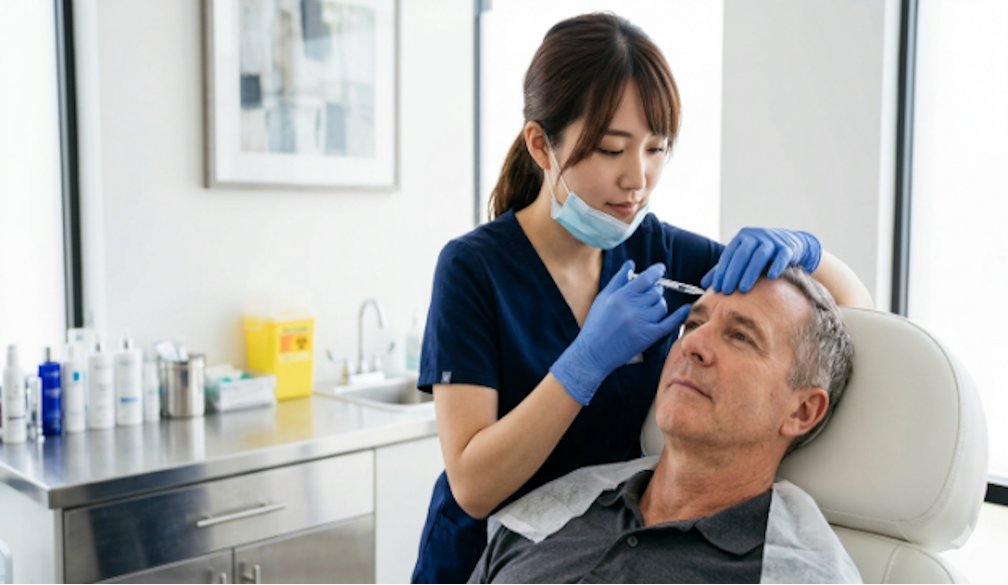
The Mentoring and Refresher program at HBL Academy is designed to fill this gap. By stripping away the crowd and focusing on a private, tailored environment, the program allows clinicians to pressure-test their skills on live models rather than inanimate objects.
This is not a generic workshop. It is a one-on-one clinical deep dive for those who already have the qualification but need the functional proof to operate solo. The curriculum is built for total flexibility, offering everything from a three-hour intensive session to a full day of clinical oversight. Whether a practitioner is returning to the field after a break or needs to sharpen their clinical groove before opening their own doors, the focus is on personal technique and safety. It is the rare space where a clinician can fail safely, be corrected instantly, and walk out with the muscle memory required to lead a premium treatment.
"You can watch a hundred injections in a hotel ballroom, but mastery only happens when you feel the resistance of real tissue under a mentor’s eye."
For a veteran clinician, the technical ability to find a vein is rarely the issue. The challenge is the transition from the safety of a massive public institution to the high-stakes environment of a bespoke practice. This lack of "functional proof" often leads to "shaky hand syndrome," where a qualified nurse has the paperwork to practice but lacks the confidence to lead a treatment without a supervisor in the room.
"Mastering advanced protocols like NAD+ is the ultimate act of rebellion against the 12-hour hospital shift."
As the industry evolves, the focus is shifting toward high-performance longevity. Protocols taught in the IV therapy program are the new frontier for clinical entrepreneurs. Unlike standard fluids, these treatments require a deep understanding of metabolic science and a sophisticated approach to experience design. Mastering these protocols allows clinicians to move from a world where an institution owns their time to a space where they own the outcome.
"Australia’s nurses are no longer just filling roles in a system. They are building their own systems."
The data suggests this migration is not slowing down. As practitioners seek better work-life balance and higher autonomy, the clinical refresher has become the essential bridge to a sustainable career. By moving back toward one-on-one refinement with live models, practitioners are finally taking the elite skills they learned in the trenches and using them to call the shots.