How the Artisan Tea Trend is Transforming Australian Cafe Menus
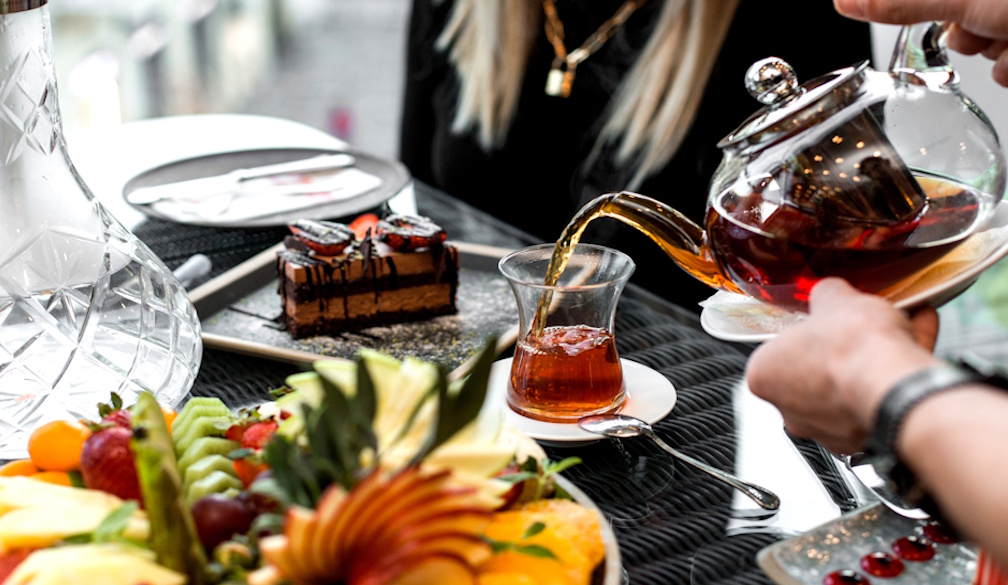
Australians are fiercely protective of their cafe culture. For decades, the focus has been squarely on the espresso machine. Patrons expect a perfectly extracted shot, perfectly textured milk, and undeniable barista expertise from their local spot. In fact, our world-famous cafes and coffee culture have set an international benchmark, even as rising ingredient and operational costs put immense pressure on independent coffee shops to maintain these rigorous, uncompromising standards. However, this ingrained dedication to quality is no longer limited to the coffee bean alone. A quiet but highly profitable revolution is happening on the other side of the beverage menu. Artisan tea is taking centre stage, completely transforming how locals experience their morning routines and weekend brunches.
Sourcing Quality for the Modern Menu
The days of cafes simply tossing a mass-produced, dusty teabag into a cup of boiling water are rapidly disappearing. As Australian consumers become more educated about complex flavour profiles and natural health benefits, their expectations have evolved significantly. To meet this sophisticated demand, hospitality venues are entirely rethinking how they procure their ingredients. Partnering with a premium wholesale tea supplier is now just as crucial as securing a top-tier local coffee roaster.
This careful sourcing process ensures that every cup of matcha, sticky chai, or delicate sencha served offers the exact same artisanal quality that Australian diners have come to expect from their morning latte. Cafe owners are making the investment to ensure their tea offerings are second to none, often demanding sustainable farming practices to ensure leaves are ethically grown and harvested.
The Economics of the Artisan Tea Movement
This shift in the hospitality sector is not just a passing dietary fad. It is a measurable economic movement driven by consumer preferences for holistic wellness and elevated dining experiences. Recent market research from the IMARC Group highlights this impressive trajectory, revealing that the Australian tea market reached a valuation of $512 million in 2024.
The comprehensive report projects this figure to grow to an incredible $761.54 million by the year 2033. This growth is fuelled heavily by the premiumisation of speciality tea offerings in modern cafes and restaurants. Diners are more than willing to pay for genuine quality, and savvy cafe owners are actively expanding their menus to capture this lucrative, fast-growing demographic.
Key Trends Shaping the Tea Experience
So, what exactly does a modern, tea-forward cafe menu look like? The transformation goes far beyond offering standard black or green options as an afterthought. Today, venues are curating diverse selections designed to cater to both traditionalists and highly adventurous palates.
When visiting a progressive Australian cafe today, you are likely to spot several emerging trends:
- Functional and Wellness Blends: Customers are actively seeking out beverages that offer tangible health benefits. Ingredients like turmeric, ginger, ashwagandha, and medicinal mushrooms are being expertly blended into soothing teas that promise everything from daily immune support to stress relief.
- Single-Origin Offerings: Just as coffee lovers deeply appreciate beans traced back to a specific farm in Colombia or Ethiopia, tea enthusiasts are looking for single-origin loose-leaf varieties. These speciality teas showcase the unique terroir of their specific growing region, offering distinct and complex flavour notes.
- Cold Brews and Sparkling Teas: Perfect for the famously warm Australian climate, cold-extracted teas provide a refreshing, sophisticated alternative to iced lattes. Many top-tier cafes are now carbonating these brews in-house or serving them over ice with fresh herbs and seasonal fruit garnishes.
- Authentic Matcha and Chai Preparations: Instead of relying on sugary, pre-made commercial syrups, cafes are investing heavily in ceremonial-grade matcha powders and brewing authentic, sticky chai blends from scratch using real spices and local honey.
Culinary Pairings and Food Integration
Beyond the beverage itself, chefs and cafe owners are discovering new ways to integrate artisan tea into their broader culinary offerings. The nuanced flavours of high-quality tea make it an exceptional companion to modern Australian brunch dishes. A robust Assam pairs perfectly with a classic bacon and egg roll, while a floral jasmine green tea beautifully cuts through the richness of avocado toast or smoked salmon.
A New Era for Hospitality
The elevation of tea is a very natural progression for the thriving Australian dining scene. It represents a broader commitment to mindful consumption, where every single item on the menu is treated with utmost respect and culinary care. Today, baristas are being trained not just in intricate latte art, but in calculating optimal water temperatures and exact steeping times for delicate white and green teas.
For the everyday consumer, this operational shift means a richer, more diverse cafe experience. Whether you are catching up with friends over a long weekend brunch or taking a quiet moment for yourself on a busy weekday morning, the options for a beautifully crafted beverage have truly never been better. The artisan tea trend is officially here to stay, proving once again that Australia's celebrated cafe culture always has plenty of room to innovate and grow.