The Importance of Proper Concrete Installation for Commercial Car Parks and Driveways
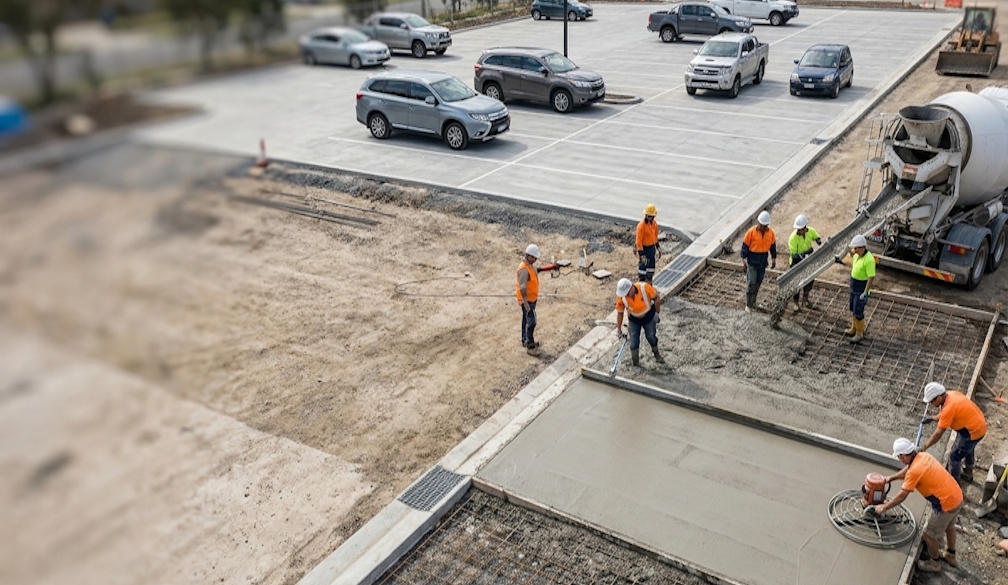
A commercial property's exterior can make a lasting impression before customers even step through the front door. Smooth driveways, well-maintained parking areas, and clearly defined access routes help create an environment that feels organised, welcoming, and easy to navigate. However, these surfaces must do more than look attractive. They need to accommodate frequent vehicle movement, changing weather conditions, and the demands of everyday business operations. Property owners considering concreting adelaide services should understand that achieving durable results requires careful planning and professional installation. From preparing the ground to selecting suitable materials and managing drainage, every stage contributes to the finished surface's performance. Investing in experienced contractors can help businesses avoid premature deterioration, unnecessary repairs, and disruptions that affect employees, customers, and daily operations.
Commercial Concrete Surfaces Face Demanding Conditions
Unlike residential driveways, commercial parking areas often accommodate a wider variety of vehicles and considerably more traffic. Delivery trucks, service vehicles, customer cars, and occasional heavy equipment can place different demands on the concrete throughout the day.
Repeated loading and frequent turning movements may gradually expose weaknesses in poorly constructed surfaces. Even minor installation problems can become more noticeable as the concrete experiences regular use.
A parking area that develops uneven sections or damaged joints may create difficulties for drivers and pedestrians while affecting the property's overall appearance.
Professional contractors consider the expected traffic patterns and vehicle loads before recommending an appropriate construction method.
This planning helps ensure the concrete surface is designed for its intended purpose rather than simply installed to meet basic appearance requirements.
Understanding how the area will be used is an important first step toward achieving reliable, long-lasting results.
Proper Ground Preparation Creates a Strong Foundation
The strength of a concrete driveway or car park depends on more than the material visible at the surface. What lies underneath can have an enormous influence on how the finished pavement performs.
Unstable soil, inadequate compaction, and unsuitable base materials may contribute to settlement, cracking, or uneven sections over time.
Before concrete is poured, experienced contractors assess the existing ground conditions and determine which preparation methods are necessary.
This may involve removing unsuitable material, establishing appropriate levels, compacting the underlying soil, and installing a suitable pavement base.
Drainage conditions and the presence of underground services should also be considered during preparation.
Skipping these steps to reduce initial expenses can create problems that are far more expensive to address after the parking area becomes operational.
A carefully prepared foundation helps distribute loads more effectively and provides a stable base for the concrete pavement.
Concrete Thickness and Strength Should Match the Intended Use
Not every commercial driveway or parking area requires the same concrete specifications. A small customer car park may experience very different loading conditions from a delivery entrance used regularly by heavy trucks.
The appropriate concrete thickness and strength depend on several factors, including anticipated vehicle loads, traffic frequency, ground conditions, and pavement design.
Choosing specifications without considering these requirements can result in a surface that is unsuitable for its intended use.
An experienced concreting contractor can work with the project designer to establish appropriate material specifications and construction requirements.
The concrete mixture, placement methods, and finishing procedures must also be suitable for the project.
Using the correct materials and following the specified installation process helps create a surface capable of supporting expected traffic demands.
Rather than relying on a standard solution for every property, professional planning allows the concrete pavement to reflect the actual operating conditions of the business.
Reinforcement and Joint Placement Require Careful Planning
Concrete is a strong construction material, but it can develop cracks due to shrinkage, temperature changes, ground movement, and loading conditions.
Appropriate joint placement is an important part of managing these movements.
Control joints encourage shrinkage cracks to form at planned locations rather than appearing randomly across the pavement. Other joints may be necessary where different concrete sections meet or where movement must be accommodated.
Reinforcement may also be specified to help control crack widths or meet structural requirements, depending on the pavement design.
However, adding reinforcement does not eliminate the need for properly designed joints or suitable ground preparation.
Experienced contractors understand the importance of following the specified reinforcement layout, joint spacing, and installation procedures.
These details may not attract much attention once the project is complete, but they can influence the long-term appearance and performance of the concrete surface.
Effective Drainage Helps Prevent Avoidable Damage
Standing water is more than an inconvenience in a busy commercial car park. Poor drainage can create slippery areas, interfere with pedestrian access, and contribute to deterioration of the pavement or its underlying support.
Water that collects around entrances and pedestrian crossings can also make everyday access uncomfortable for customers and employees.
For these reasons, drainage should be considered before installation begins.
Professional contractors assess the required surface falls, existing drainage infrastructure, and surrounding ground levels to determine how rainwater should be directed away from the pavement.
Depending on the property, suitable drainage channels, collection points, or connections to an approved stormwater system may be necessary.
The finished surface should guide water toward the intended drainage locations without creating unnecessary obstacles for vehicles or pedestrians.
Addressing these requirements during construction is generally more practical than attempting to correct significant drainage problems after the concrete has hardened.
Surface Finishing Influences Safety and Everyday Use
A commercial concrete surface should provide a suitable balance between appearance, durability, and practical performance.
While a smooth decorative finish may be attractive in certain settings, outdoor vehicle and pedestrian areas often require sufficient surface texture to provide appropriate slip resistance.
The ideal finish depends on the location, expected traffic, and exposure to moisture.
A broom finish, for example, can provide texture for outdoor concrete surfaces, although the appropriate finish should be selected according to the project's specific requirements.
Contractors must also consider how the concrete will be placed, finished, and cured.
Proper curing helps the material develop its intended properties and reduces the risk of certain forms of early deterioration.
Allowing sufficient curing time before opening the area to traffic is particularly important for commercial properties operating under tight schedules.
Careful coordination helps businesses prepare for temporary access restrictions while protecting the newly installed pavement.
Choosing Experienced Contractors Makes a Meaningful Difference
Commercial concreting requires more than equipment and the ability to complete a concrete pour. Successful projects depend on appropriate planning, technical knowledge, reliable workmanship, and clear communication throughout construction.
Before selecting a contractor, property owners should discuss relevant experience, proposed materials, ground preparation, drainage requirements, and expected project timelines.
A dependable professional will assess the property, explain the installation process, and provide a detailed quotation reflecting the work involved.
It is also important to understand how vehicle access, deliveries, and customer parking will be managed during construction.
Experienced contractors can coordinate the different stages of the project while keeping property owners informed about progress and potential complications.
Choosing professionals who understand commercial traffic demands helps businesses invest in concrete surfaces that support safe access, reliable daily operations, and the property's long-term appearance.
A properly planned and professionally installed car park or driveway can serve a commercial property for many years, making quality workmanship an investment worth considering from the very beginning.