Create a Cozy Play Area with Playmats and Rugs in Your New Zealand Home
- Written by: Times Media
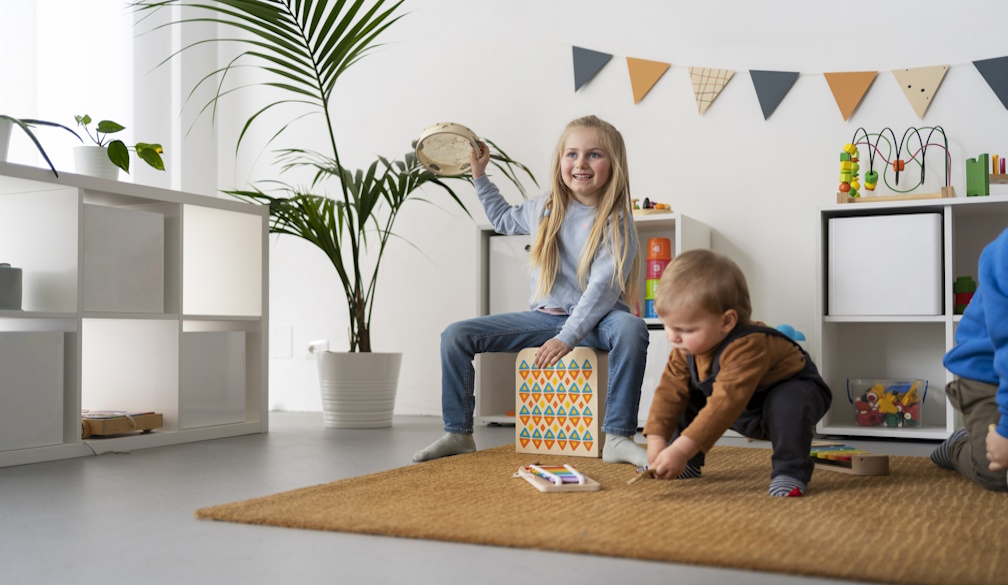
Introduction to Creating a Cozy Play Area in Your New Zealand Home
When it comes to designing a play area for your children, parents often prioritize safety and functionality. However, creating a cozy and inviting space is equally important, as it can enhance your child's overall play experience. In this article, we will discuss the benefits of using playmats and rugs in children's play areas and what factors you should consider when choosing them for your home.
Benefits of Using Playmats and Rugs for Children's Play Areas
-
Soft Surface: One of the main benefits of using playmats and rugs in a child's play area is the soft surface they provide. This is especially beneficial for young children who are learning to crawl or walk, as it provides a cushioned surface for them to explore and move around on.
-
Safety: Playmats and rugs also provide an added layer of protection against hard floors or surfaces. This can prevent injuries from falls or bumps while playing, giving parents peace of mind knowing their child is safe.
-
Comfort: Along with providing safety, playmats and rugs offer comfort for children while playing on the floor. The soft fabric provides a more comfortable space compared to hard floors, making it easier for kids to sit or lie down while playing.
-
Insulation: In colder climates like New Zealand, using playmats and rugs can help insulate the floor, keeping it warm during chilly seasons. This makes it more comfortable for children to play on the floor without getting too cold.
-
Noise Reduction: If you have hardwood or tile flooring in your home, then adding a rug or playmat can help reduce noise levels caused by running or jumping around during active play sessions.
Using playmats and rugs in children's play areas not only provides numerous benefits but also adds warmth and coziness to the space.
What to Consider When Choosing Playmats With Soft Fabric for Your Child's Safety and Comfort
-
Material: When selecting playmats with soft fabric, make sure to choose one that is made from non-toxic and child-friendly materials. Avoid mats with synthetic fibers or chemicals that may be harmful to your child's health.
-
Size and Thickness: Consider the size and thickness of the playmat based on the age of your child and the space you have available for their play area. For younger children, a thicker mat can provide more cushioning, while older kids may prefer a thinner mat for activities like building blocks.
-
Easy to Clean: Children are known to make messes, so it's essential to choose a playmat that is easy to clean. Opt for mats that are machine washable or have an easily wipeable surface.esign: Consider designs or patterns that will complement your home decor and also appeal to your child's interests. Bright colors and fun prints can add a playful touch to the play area.
When choosing the right type of rug or playmat for your child's play area, consider factors such as durability, safety features, and design
Different Types of Rugs and Their Features for a New Zealand Home
When it comes to creating a cozy and inviting play area for your child in your New Zealand home, incorporating playmats and rugs is key. Not only do these soft surfaces provide a safe and comfortable place for your child to play, but they also add a fun and decorative touch to the space. In this section, we will discuss the different types of rugs that are available for a New Zealand home, their unique features, and tips on maintaining a clean and safe play area.
- Wool Rugs: Wool rugs are a popular choice for many homes in New Zealand due to their durability and warmth. These natural fibers have excellent insulation properties, making them ideal for colder climates. Additionally, wool rugs for New Zealand homes have great stain resistance capabilities, making them perfect for high-traffic areas such as playrooms. They also come in various designs and patterns that can add a pop of color or texture to your child's play area.
- Cotton Rugs: Cotton rugs are another common choice among homeowners in New Zealand as they offer softness and versatility at an affordable price point. These lightweight rugs are easy to clean and maintain, making them ideal for children's play areas where spills or accidents may occur frequently. Furthermore, cotton rugs come in various shapes, sizes, colors, and patterns that can complement any decor style.
- Synthetic Rugs: Synthetic rugs such as nylon or polyester are highly durable options that can withstand heavy foot traffic and resist stains well. These materials also offer excellent water resistance properties, which make them suitable for outdoor use as well. However, some synthetic materials may not be as soft or plush as natural fiber options.
- Playmats: Playmats are specifically designed with children's safety in mind while providing a comfortable surface for playing on the floor. They often have foam padding underneath to cushion falls or tumbles during active playtime sessions. Playmats also come in various themes such as alphabet, numbers, or animal designs, which can be both educational and fun for children.
Maintenance Tips for Keeping Your Play Area Clean and Safe
Additionally, it is essential to keep the following maintenance tips in mind to ensure a clean and safe play environment:
- Vacuum regularly to remove any dust or debris from the surface.
- Spot clean spills immediately with a mild detergent and water.
- Avoid using harsh chemicals or cleaners on rugs as they may damage the fibers.
- To prevent slipping hazards, use a non-slip rug pad underneath the rug or playmat.
- Rotate rugs every few months to even out wear and tear.
Conclusion
Incorporating playmats and rugs into your home can not only create a cozy play area for children but also add style and functionality to any room. With a wide variety of options available in New Zealand, from soft and cushioned mats to colorful and interactive designs, there is something for every family's needs. So invest in these versatile pieces and transform your home into a welcoming and playful space for the whole family to enjoy.