Are Heavy-Duty Power Scooters Good for Long-Distance Travel?
- Written by: Times Media
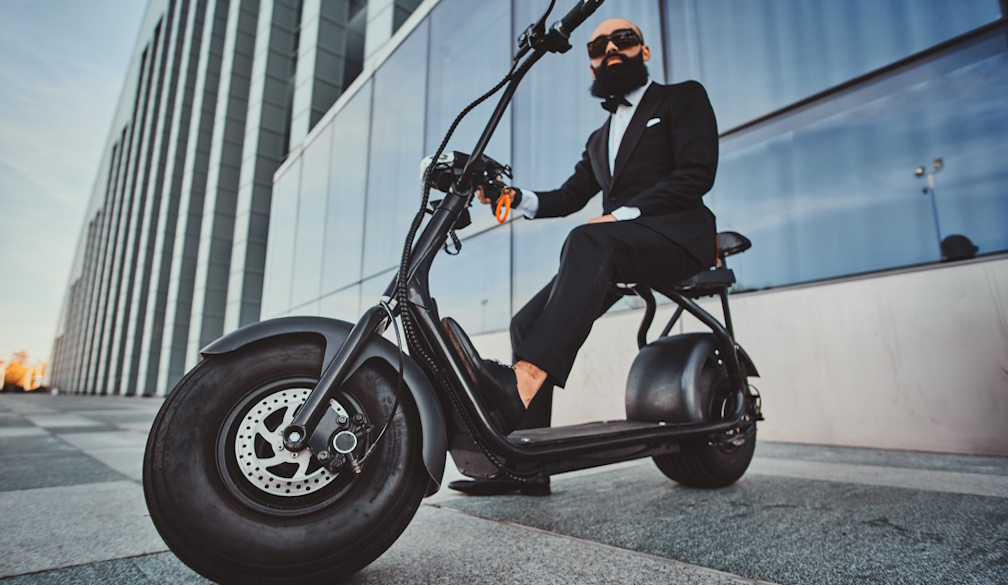
Short answer: yes—if the scooter suits the route, the rider and the local rules. A heavy-duty electric scooter can make longer trips more comfortable and capable than a lightweight commuter model. Larger batteries, stronger frames, wider decks, suspension and more substantial tyres can all help.
But “heavy duty” does not automatically mean “ideal for distance”. The scooter may be cumbersome to move, its advertised range may shrink in real conditions, and a high-performance model may not be legal to ride on public infrastructure in your state.
For Australian riders, outright speed can actually be pretty irrelevant once you factor in local limits. What matters on a regular 20 or 30 km trip is whether the scooter has enough charge to get you home comfortably, handles the route well and can legally be ridden where you need to go.
What counts as long-distance travel on an electric scooter?
There is no single distance that turns an ordinary ride into a long one. A smooth 15 km trip along a separated path may feel easier than 8 km involving hills, rough surfaces and frequent stops.
It is more useful to think in terms of total journey demand:
- the full return distance, not just the outbound leg
- hills, headwinds and road surface
- rider weight, clothing and luggage
- how often you accelerate and brake
- temperature and battery condition
- whether charging is reliably available at the destination
A scooter may look suitable on a specification sheet but still be a poor match for a demanding route.
Why heavy-duty scooters can work well over longer distances
Bigger batteries provide more usable range
Long-distance suitability starts with battery capacity. A larger battery can provide more range and, just as importantly, more margin when conditions are less favourable than the test conditions behind an advertised figure.
Treat the manufacturer’s maximum range as a comparison point, not a guaranteed travel distance. Real-world range can fall when the rider is heavier, the route climbs, tyre pressure is low, the weather is windy or the scooter is ridden aggressively.
Plan around the tougher version of your trip and leave a reserve. Arriving with some charge remaining is far better than pushing a very heavy scooter for the final few kilometres.
Stronger construction can improve stability
Heavy-duty scooters commonly use stronger frames, wider decks and larger tyres. These features can help a rider maintain a settled stance and feel more composed over imperfect surfaces.
Check the scooter’s maximum load rating against the combined weight of the rider and anything being carried. A backpack, lock, protective equipment and work gear all count. Operating close to the maximum load can also reduce range and place more demand on the scooter.
Suspension matters once the kilometres add up
Small bumps become tiring when repeated for an hour. Front and rear suspension, pneumatic tyres and a deck large enough to change foot position can reduce fatigue over longer rides.
Comfort starts to matter a lot more once you’ve been standing on the thing for an hour. A stiff ride, cramped deck or constant vibration might seem minor on a quick test ride, but over a longer commute they can become genuinely tiring. It’s worth paying attention to how the scooter actually feels to ride, rather than getting too caught up in the range figure.
Better brakes and tyres support controlled riding
A long route exposes the scooter to more intersections, surface changes and unexpected hazards. Effective brakes, tyres in good condition and predictable handling matter throughout the trip, not only when travelling quickly.
Before relying on a scooter for distance, learn how its brakes respond, particularly on descents and in damp conditions. Regularly check tyre pressure, tread, fasteners, lights and the folding mechanism.
The trade-offs are significant
The features that improve range and stability also add weight. Some heavy duty power scooters are awkward to lift into a car, carry upstairs or take on public transport. A folding stem does not necessarily make a large scooter portable.
Charging also takes planning. If your return journey depends on charging at work or another destination, confirm that you have permission, a suitable location and the correct charger. Don’t always assume a public power point will be available.
Then there is maintenance. More kilometres mean more wear on tyres, brake components and moving parts. Long-distance ownership makes access to replacement parts and competent servicing especially important.
The central point is simple: long range is a whole-scooter requirement, not a battery claim. Comfort, braking, reliability, legal access and the ability to manage the scooter when you are not riding it all matter.
Australian road rules can decide whether the trip is possible
E-scooter rules differ across Australia and can change. Check the current rules for every area your route crosses before buying or riding.
For example, Transport for NSW states that privately owned e-scooters remain illegal on NSW roads and road-related areas, including footpaths, shared paths and bicycle lanes. That makes many proposed long-distance public trips unsuitable regardless of the scooter’s capability.
In Victoria, riders must be at least 16, wear a properly fitting helmet and ride at no more than 20 km/h. E-scooters are permitted on shared-use paths, bicycle paths and roads with speed limits up to 60 km/h, while devices capable of more than 25 km/h are prohibited from public use under the stated rules.
Queensland’s rules changed on 1 July 2026. The state says e-scooters must be restricted so they cannot exceed 25 km/h; a 12 km/h limit applies on footpaths and when passing pedestrians on shared paths. From 31 August 2026, further licence rules are scheduled to apply, subject to stated exemptions.
A scooter sold in Australia is not automatically legal to use everywhere in Australia. These examples are not a substitute for checking your own state or territory authority.
How to choose a scooter for your route
Before getting too deep into model comparisons, map out an ordinary return trip and see what the scooter would actually have to deal with.
-
Measure the return trip. Include detours and any distance between parking, charging and your destination.
-
Add a battery buffer. Do not select a model whose claimed maximum only just covers the route.
-
Map the terrain. Hills, rough paths and frequent stops increase energy use and rider fatigue.
-
Check the total load. Include your body weight and everything you will carry.
-
Prioritise control. Look closely at brakes, tyre type, wheel size, lighting and suspension.
-
Test the ergonomics. Deck space, handlebar position and throttle response affect comfort over time.
-
Confirm portability. Lift or move the scooter before buying if stairs, a boot or public transport form part of the trip.
-
Verify local legality. Check device, speed, age, helmet and permitted-location rules with the relevant government authority.
-
Check parts and service support. A long-distance scooter is transport, so downtime matters.
So, are heavy-duty power scooters good for long-distance travel?
They can be an excellent fit for a repeatable route with legal riding access, manageable terrain and enough battery reserve. They are less convincing when portability is essential, charging is uncertain or the model’s performance exceeds local public-use limits.
Before comparing motors and maximum range figures, work out what your normal trip actually looks like. A 15 km flat commute and a 15 km ride full of hills, rough paths and stop-start traffic are going to ask very different things of a scooter. If a scooter can legally cover the return distance, keep you comfortable and still finish with charge in reserve, it has earned its place as a long-distance option.