How WPC Wall Panels Are Transforming Exterior Design Across Australia
- Written by: Times Media
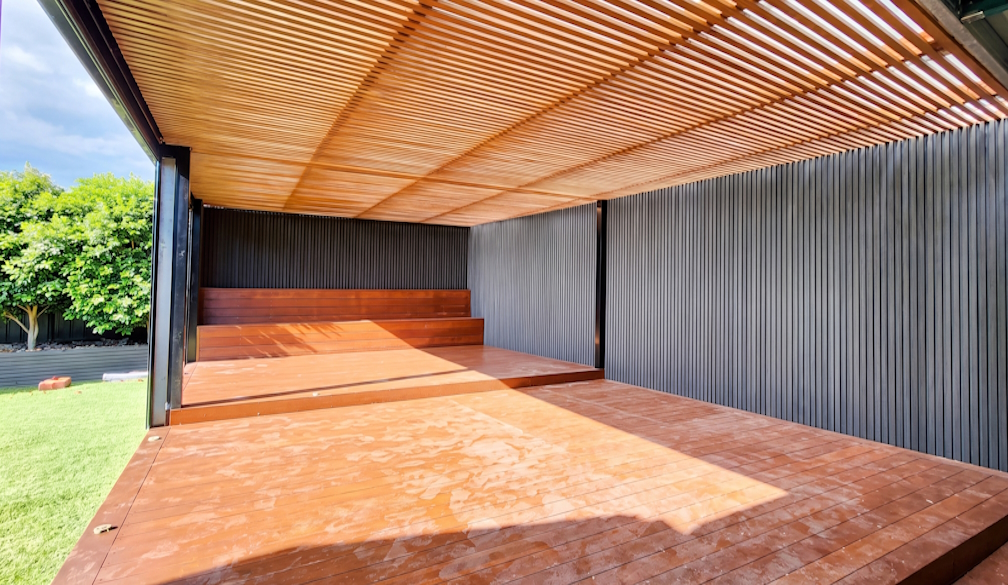
Australia’s approach to exterior design is evolving. Homeowners, architects, developers, and renovators are increasingly looking for materials that balance aesthetics, durability, and sustainability. As outdoor living spaces become more important and property owners seek long-term value from their investments, traditional exterior materials are facing growing competition from innovative alternatives.
One solution attracting significant attention is the WPC wall panel. Across residential developments, commercial projects, and outdoor renovations, WPC panels are helping reshape the way Australians think about exterior finishes. Combining the natural appearance of timber with the performance advantages of composite materials, these products are becoming a preferred choice for modern exterior design.
Understanding the Rise of WPC Wall Panels
Wood-Plastic Composite (WPC) is a material made by combining recycled wood fibres with polymers to create a durable, low-maintenance product. Unlike traditional timber, a WPC wall panel is engineered to withstand harsh weather conditions while maintaining its appearance over time.
Australia’s climate presents unique challenges for exterior building materials. Intense UV exposure, coastal salt air, heavy rainfall, and fluctuating temperatures can accelerate wear and tear. As a result, property owners are increasingly seeking materials that can perform consistently without requiring extensive maintenance. These performance considerations have also driven interest in the differences between composite and traditional materials, particularly when evaluating factors such as durability, weather resistance, and upkeep requirements, as discussed in this analysis of WPC panels vs timber panels in Melbourne.
This shift in priorities has contributed to the growing popularity of WPC panels for both residential and commercial applications.
Why Outdoor Wall Panels Are Becoming a Popular Choice
Modern design trends increasingly blur the boundaries between indoor and outdoor living. Homeowners want exterior spaces that feel as thoughtfully designed as their interiors, while businesses seek attractive façades that create strong first impressions.
Unlike traditional painted surfaces or natural timber cladding, contemporary composite systems deliver a clean, architectural appearance while reducing the need for ongoing upkeep. Available in a variety of colours, textures, and profiles, these panels allow designers to achieve sophisticated results without sacrificing practicality.
Whether used on feature walls, garden structures, alfresco areas, or building exteriors, outdoor wall panel systems are helping create visually striking spaces that maintain their appeal year after year.
The Shift Towards Low-Maintenance Exterior Design
Maintenance has become a major consideration for Australian property owners. Traditional timber can require regular sanding, staining, sealing, or repainting to maintain its appearance and structural integrity.
In contrast, outdoor wall cladding panels manufactured from WPC materials are designed to minimise ongoing maintenance requirements. Many systems require only occasional cleaning to remove dirt and debris.
This advantage is particularly appealing for:
- Busy homeowners seeking hassle-free outdoor upgrades
- Property investors looking to reduce maintenance costs
- Commercial property owners managing multiple assets
- Hospitality venues with high-visibility outdoor spaces
As labour and maintenance costs continue to rise, low-maintenance solutions are becoming increasingly attractive across the construction and renovation sectors.
Sustainability Is Driving Material Choices
Sustainability is no longer a niche consideration. It has become a mainstream factor influencing building and renovation decisions across Australia.
Many outdoor cladding panels are manufactured using recycled materials, helping reduce waste while lowering demand for virgin timber resources. This aligns with broader industry goals focused on resource efficiency and environmentally responsible construction.
Architects and designers are increasingly seeking products that support sustainable building practices without compromising visual appeal. Composite cladding solutions provide an opportunity to achieve both objectives.
For environmentally conscious homeowners, choosing sustainable outdoor paneling can contribute to a project's overall environmental performance while still delivering the warm appearance traditionally associated with timber.
Exterior Wood Slat Cladding: A Modern Architectural Favourite
One of the strongest trends in contemporary Australian architecture is the growing use of exterior wood slat cladding.
Clean lines, natural textures, and minimalist aesthetics have made slatted designs a popular feature in both residential and commercial projects. Traditionally achieved using timber battens, this style can now be replicated using composite alternatives that offer enhanced durability and weather resistance.
Modern exterior wood slat cladding systems create visual depth and texture while complementing a wide range of architectural styles, from coastal homes to urban developments.
The result is a sophisticated exterior finish that combines timeless design principles with modern material performance.
Wood Slat Cladding Is Expanding Beyond Residential Projects
The appeal of wood slat cladding is extending well beyond the residential market.
Across Australia, architects are incorporating slatted composite designs into:
- Retail developments
- Hospitality venues
- Educational facilities
- Apartment complexes
- Office buildings
- Public spaces
These applications demonstrate the versatility of modern cladding systems. By introducing texture, warmth, and visual interest, wood slat cladding helps soften contemporary building forms while maintaining a professional and polished appearance.
As urban design continues to evolve, demand for architectural materials that balance function and aesthetics is expected to grow.
Outdoor Wall Cladding Panels and the Future of Australian Design
Exterior design is increasingly being shaped by three key factors:
- Durability
- Sustainability
- Visual appeal
Products that successfully address all three are likely to play an important role in the future of Australian construction and renovation.
The popularity of outdoor wall cladding panels reflects a broader industry shift toward smarter building materials that deliver long-term performance. As more homeowners and professionals prioritise lifecycle value over short-term cost savings, composite solutions are becoming a practical alternative to traditional exterior finishes.
Industry suppliers such as CLADsmart and other specialists in architectural cladding have helped increase awareness of these emerging materials, making advanced exterior solutions more accessible to Australian consumers and design professionals.
Why WPC Panels Are Gaining Momentum Nationwide
The growing adoption of WPC panels is not simply a design trend. It reflects changing expectations around building performance, maintenance, and sustainability.
As Australians seek materials that can withstand local conditions while delivering contemporary aesthetics, composite cladding solutions continue to gain momentum. From stylish outdoor wall panels to innovative exterior wood slat cladding, these products are helping redefine what is possible in modern exterior design.
For homeowners, architects, and builders alike, the future of exterior design increasingly lies in materials that offer beauty, resilience, and long-term value. WPC technology is proving to be one of the most influential developments in that evolution.