

Coil Winding Process & Use Case in Medicine
- Written by: The Times
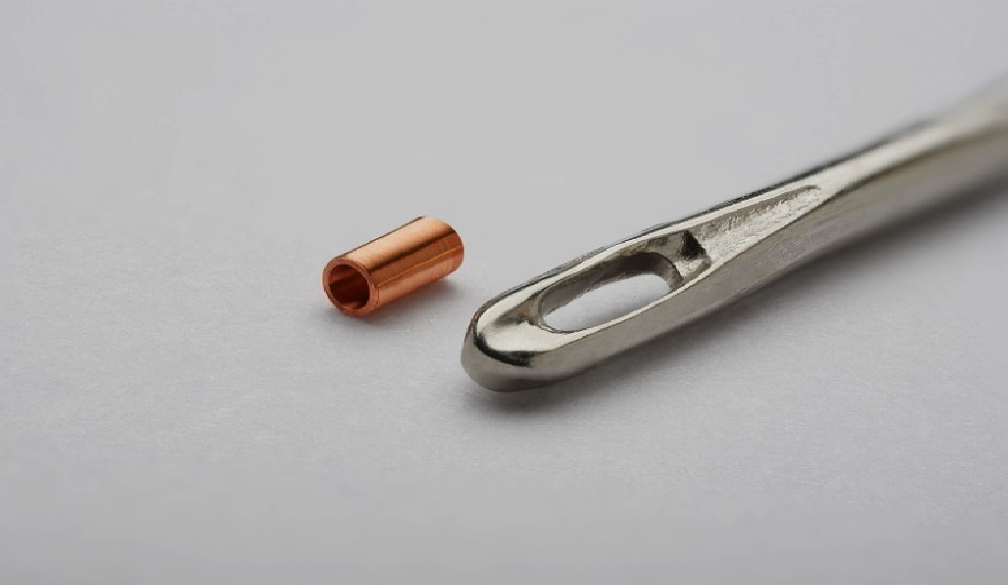
Coil winding is a significant procedure used in many industries, including medicine. Winding wire around a core creates a coil or inductor. This method has several medical uses, from diagnostic imaging to therapy. Coil winding is examined in this article, including its fundamentals and medical uses.
Medical Micro Coil Winding
Serially winding tiny coils need unique equipment since standard coil winding equipment cannot be used. Benatav has developed cutting-edge methods and equipment for unprecedentedly winding tiny coils. This was done via corporate engineers.
A micro coil with up to 2,000 turns requires a substantially decreased wire thickness. The thinnest copper wire available is 8 microns or 0.0003 inches. Benatav is one of the few companies worldwide producing high-quality, insulated wires smaller than 8 microns.
Benatav has developed complex methods for managing wires of any diameter, including the smallest serially manufactured size, 59 AWG (9 microns, 0.00035 inches). Handling wires five to ten times thinner than a human hair is difficult, mainly when physical and environmental factors and strict tolerance criteria constrain the desired shape of the coiled-coil.
Coil Winding Process
Coil winding is a fundamental technique for making electromagnetic coils. Many electrical gadgets depend on these coils. The process has many crucial steps:
Coil Designs
Coil design is crucial throughout the technique. The coil's inductance and resistance depend on the number of turns, wire gauge, and core material. Optimising these aspects frequently requires specialised design software.
Winding
Winding involves wrapping the conducting wire around the design-selected core. To ensure coil performance meets requirements, accuracy and consistency are essential.
Connection and Finishing
The wire ends are connected to form a closed loop after winding. The coil might be insulated or encapsulated to protect it from environmental conditions or mechanical stress.
Assembling
Quality control is critical while winding coils. Testing ensures the completed product meets electrical and mechanical requirements. Standard coil testing includes resistance, inductance, and structural integrity evaluations.
Due to the coil winding process's adaptability, coils of all shapes and sizes may be made to satisfy various application needs.
Use Case in Medicine
Unique coil winding is essential in medical device manufacture. MRI coil manufacturing is a success story. MRI is non-invasive and delivers precise body scans.
MRI coils
MRI coils are essential to radiofrequency signal generation and detection in magnetic resonance imaging (MRI) systems. These coils must be properly placed around the patient to interact with MRI magnetic fields. Coil winding is significant for many purposes, including making customised coils:
Signal Generation
Winding the coils creates sensitive radiofrequency that can respond to MRI magnetic fields. The coil can detect even the faintest tissue impulses due to its accurate winding and composition.
Resolution on space
In diagnostic imaging, surface and phased array coils achieve specific spatial resolutions. Coil winding produces these coils with the desired geometries and characteristics, optimising spatial resolution in diverse body sections.
Patient Comfort
The coil wrapping procedure allows for the construction of coils that are both signal-detecting and patient-comfortable. Coils may customise for different body parts to improve imaging comfort and efficacy.
The coil winding process, vital to medicine, creates electromagnetic coils for MRI devices. These coils revolutionise medical imaging technology, giving doctors non-invasive, precise, and patient-friendly diagnostic tools. As medical device technology advances, coil winding may remain at the forefront of innovation. This will enhance diagnostics and patient care.