Property in Melbourne: What’s Happening in the Residential Market
- Written by: The Times
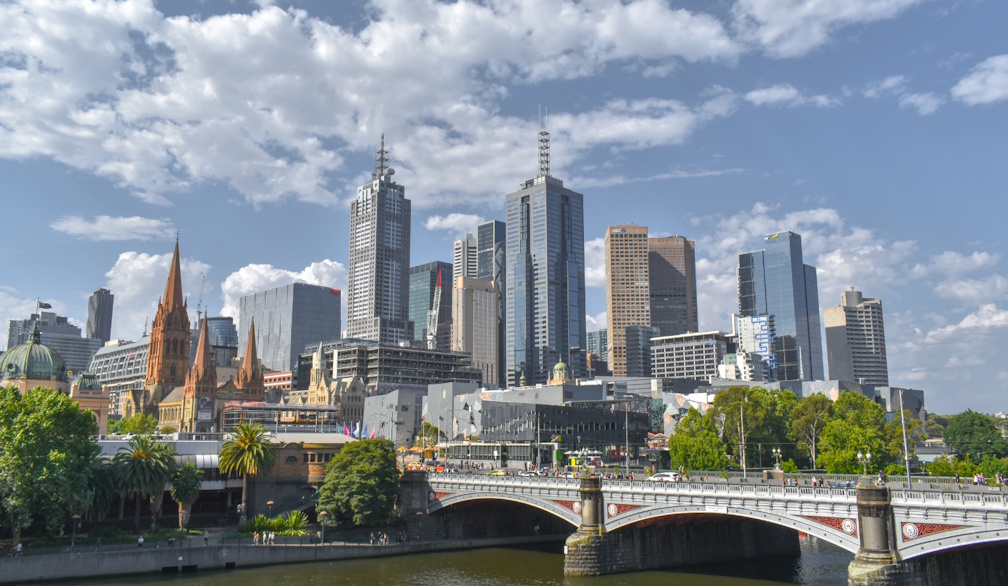
Win A Home Australia in Melbourne’s residential property market has entered a complex and, at times, contradictory phase. After years of strong growth, followed by a pandemic-era surge and then interest rate shock, the city now sits at a turning point—neither booming nor collapsing, but recalibrating.
For buyers, sellers, and investors, understanding Melbourne today requires moving beyond headlines. This is a two-speed, structurally constrained, and interest-rate-sensitive market.
The Headline Numbers: Stable, but Under Pressure
Recent data shows a market that is broadly holding, but not surging.
-
Median house price: around $955,000
-
Median unit price: around $645,000
-
Annual growth: roughly 3–5% depending on the measure
However, short-term performance has been weaker:
-
Prices have been flat or slightly declining in recent months
-
Some measures show quarterly falls of around 0.6%
In plain terms: Melbourne is not crashing—but it is not keeping up with faster-growing markets like Brisbane or Perth.
A Market Losing Momentum—But Not Value
Melbourne has underperformed relative to other capitals in 2025–2026.
-
Price growth has been described as among the weakest in Australia
-
Values are below recent peaks in some segments
This is largely due to one factor: interest rates.
Melbourne and Sydney are the most debt-heavy housing markets in the country. When rates rise, borrowing capacity falls—and so does buyer demand.
The Interest Rate Effect: The Market’s Handbrake
The tightening cycle led by the Reserve Bank of Australia has had a disproportionate effect on Melbourne.
-
Borrowers can afford less
-
Investors face tighter margins
-
Confidence weakens
Banks have even forecast possible price dips in 2026 before recovery later .
This doesn’t mean a crash. It means a pause, or a reset, particularly in higher-priced segments.
A Two-Speed Market Is Emerging
Not all parts of Melbourne are behaving the same.
1. Houses vs Units
A notable shift is underway:
-
Units are outperforming houses in some areas
-
Unit prices hit multi-year highs recently
Why?
-
Affordability constraints are pushing buyers toward apartments
-
First-home buyers are re-entering at lower price points
2. Inner vs Outer Suburbs
-
Inner-city apartments: recovering due to returning migration
-
Outer suburbs: still driven by family demand and land scarcity
But affordability is biting everywhere.
The Rental Market: The Real Crisis
If the sales market is stabilising, the rental market is anything but.
Across Australia—and acutely in Melbourne:
-
Vacancy rates are extremely low
-
Rents are rising rapidly
-
Affordability has collapsed for lower-income households
Recent data paints a stark picture:
-
Rental affordability has fallen to near zero for some income groups
-
Even full-time workers are increasingly priced out
At the same time:
-
Rents are forecast to continue rising strongly into the decade
This is the structural pressure point in Melbourne’s property market.
Why the Market Is So Constrained
Several deep forces are shaping Melbourne’s housing system:
1. Population Growth
Melbourne remains one of Australia’s fastest-growing cities.
-
Migration has rebounded strongly
-
Demand for housing continues to rise
2. Supply Shortages
Construction has not kept pace with demand.
-
Rising building costs
-
Labour shortages
-
Developer caution
Without new supply, prices and rents are pushed upward.
3. Planning and Infrastructure Constraints
Zoning restrictions and slow approvals limit density in key areas.
This creates a paradox:
-
Strong demand
-
Limited ability to increase supply quickly
The Forecast: Modest Growth, Then Acceleration
Looking ahead, forecasts are mixed—but broadly constructive.
Some projections suggest:
-
House prices could rise around 6–7% in 2026
-
Longer-term growth of 20–30% by 2030
Others are more cautious:
-
Short-term declines are possible
-
Recovery may not fully take hold until 2027
The key takeaway: Melbourne is in a transition phase—not a peak or a trough.
Why Melbourne Still Matters
Despite recent underperformance, Melbourne retains strong fundamentals:
-
Large, diversified economy
-
World-class education sector
-
High population growth
-
International appeal
Historically, Melbourne has been a long-cycle growth market—periods of stagnation are often followed by strong rebounds.
The Investor Perspective
For investors, Melbourne now presents a different proposition than during the boom years.
Opportunities:
-
Relative affordability compared to Sydney
-
Strong rental demand
-
Potential upside if recovery takes hold
Risks:
-
Interest rate sensitivity
-
Policy changes (tax, tenancy laws)
-
Short-term price stagnation
The Buyer Reality: Tough but Strategic
For owner-occupiers, the environment is mixed:
-
Less competition than peak boom years
-
But still high entry prices
-
Financing constraints remain significant
This creates a window of opportunity for buyers who can act decisively.
The Bottom Line
Melbourne’s residential property market is not in crisis—but it is no longer in full flight.
It is:
-
Slower
-
More segmented
-
Highly sensitive to interest rates
-
Underpinned by strong long-term demand
The real story is not falling prices or booming growth. It is structural imbalance—too many people chasing too few homes.
And until that imbalance is resolved, Melbourne property will remain one of the most closely watched—and contested—markets in Australia.