Google AI
The Times Australia

Times Media Advertising

What is the cost of moving offices

  • Written by: News Company


It isn't easy moving offices or moving house, and one of the things you don't want to be stressing about is the cost. There are always costs involved in moving but moving offices can cost even more depending on the size of the office and the number of employees.

Furniture

Although you can transport your old furniture to your new office, sometimes this isn't an option and you'll need to buy all new furniture for your space. This can be quite expensive depending on how much stuff you need but is easy to source reasonably priced furniture online these days. It will cost around $200 to $2,000 per employee to get new furniture, so you'll need to work out what you need and what you can bring from your old offices to save money.

Technology

You'll need to fit out your new office with new technology when you move in, purchasing phones, computers, printers, and other devices. New computers can cost up to $3,000 per employee, but this can cost less depending on the type of computers or laptops you need. Printers can cost upwards of $900, while telephones generally cost around $60 or more.

Utilities

You will also need to think about the cost of reconnecting all of your utilities. Your new office will need internet, phone connections, electricity, and more to function properly, and getting these services connected can cost money. Service providers will charge anywhere upwards of $25 to connect utilities depending on what needs to be done. You'll also want to make sure that the new office is pest-free, so consider booking a reliable pest control service. These aren't really costs you can avoid though as you'll need these services in your new office.

Storage

If you won't be able to move into your new office immediately or have excess belongings that you need to store you'll also need to consider using a secure storage facility. These also cost money, generally based on a monthly fee, but will allow you to keep your belongings safe for as long as you need. Storage facilities usually cost around $200 to $400 a month depending on how much space you need to store your goods.

Renovation

Not all new offices are well-looked after, and if you've got the office cheaply there may be some work that needs to be done. Minor improvements, like a fresh coat of paint or new carpet, won't cost a lot, but renovating the entire office will set you back quite a bit. Before you move in make sure you inspect the office to make sure it's up to scratch and won't cost you a fortune to fix. While a new carpet is not so expensive, you can also book a professional carpet restoration service to lower your costs even more.

Average costs

When you look at all the costs above it may seem a little scary, but moving offices isn't always expensive. The average price of moving offices can vary from $750 to $30,000 based on how many employees you have and how much stuff you have to move. You can save money by keeping old furniture or finding a place that you can fix up yourself, but it's still good to know what you need to allow for in your budget. Consider Wridgways if you're looking for a local removalist in Sydney.



Property Times

Property Paralysis: Buyers Hesitate As Australia’s Housing Market Sends Mixed Signals

Australia’s property market may still be active, but beneath the auctions, listings and glossy real estate campaigns, a growing sense of uncertainty is spreading through the market. Buyers are hesitating.Sellers are confused.Banks are cautious but...

The Noise Around the 2026 Federal Budget Does Not Match the Reality for Most Property Investors

Every time the government changes the rules around property investment, the same thing happens. Phones ring, inboxes fill, and investors who have been quietly building wealth for years suddenly wonder if the ground has shifted beneath them. After t...

Budget Shockwaves: What the Federal Budget Means for Australia’s Property Market

Australia’s property market does not operate in isolation. Every federal budget sends signals to buyers, sellers, investors, developers, banks and renters about the direction of the economy, taxation, confidence and household spending. This year’s ...

Real Estate and the Federal Budget: Early Signs Emerging Across Australia’s Property Market

Australia’s federal budget has landed, and while economists, investors and political strategists continue dissecting its long-term implications, the property industry is already searching for early signs of where the market may be heading next. Re...

Food & Dining

Smart Supermarket Shopping: The Money-Saving Hacks Australians Are Rediscovering

Australians are becoming smarter supermarket shoppers. Rising grocery prices, higher mortgage repayments, expensive electricity bills and cost-of-living pressure have changed the way many households approach the weekly food shop. But contrary to p...

People Are Going Out Less — And Businesses Know It

Restaurants are full on some nights. Concerts still sell tickets. Sporting events attract crowds. Yet beneath the surface, many Australian businesses are quietly noticing a major social shift: people are going out less often. The reasons are obvi...

Lasagne Takes Centre Stage at Chiswick Woollahra This Winter

  This winter, Chiswick is launching a Lasagne Series, bringing together chefs from across the Solotel group, alongside acclaimed chef and restaurateur Matt Moran, for a nostalgic celebration of the much-loved baked pasta. Running every Sunday eveni...

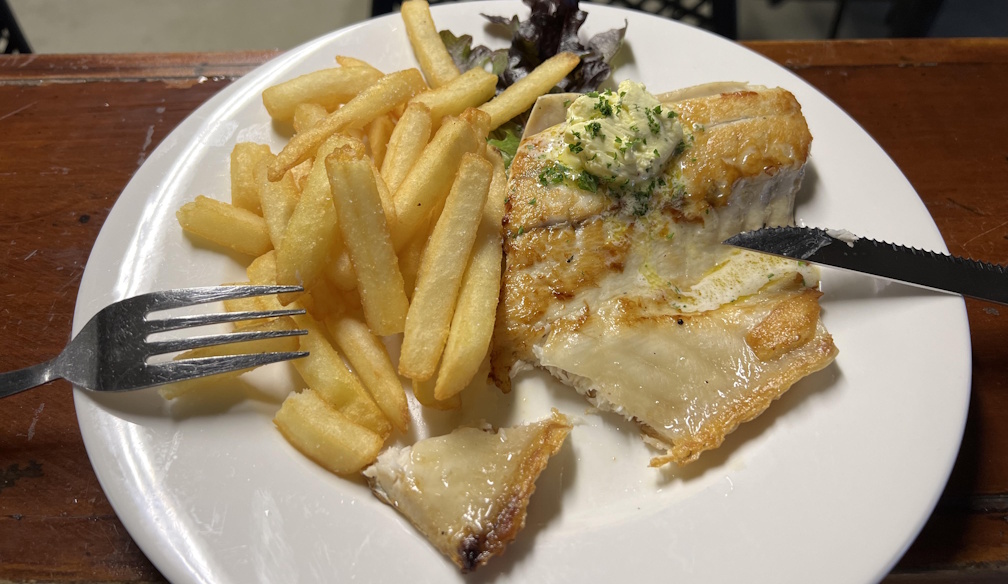
Coral Trout Worth Travelling For: Lunch at The Rusty Pelican in 1770 Delivers Perfection

There are fish and chips, and then there are meals that remind Australians why fresh local seafood remains one of the country’s greatest culinary pleasures. A lunch stop today at The Rusty Pelican Cafe near the famous 1770 camping grounds in Centr...

Business Times

“People Are Spending Less”: Small Businesses Feel Australia’s Eco…

Sometimes the real state of the economy is not found in Treasury papers, Reserve Bank statements or political speeches. So...

Small Business Owners Say Confidence Is Falling Across Australia

Australia’s small business sector has long been described as the backbone of the national economy. From cafes and retailers...

Why Same-Day Flower Delivery in Melbourne Is Changing the Way Peo…

People are busier than ever today compared to three decades ago. Many children once remembered birthdays of their parents, ...

The Times Features

QLD Day

On Saturday 6 June, parkrun events across the state will be a sea of maroon, with communities  str...

NAGNATA: ‘FUTURE = FIBRE’ — Movement 21 at AFW 2026 …

Photography by Cesar OcampoOn Day 3 of Australian Fashion Week 2026, the energy at the runway shifte...

Flu Season in Australia: Why Health Authorities Are Tak…

As winter settles across Australia, so too does the annual flu season — a recurring health challen...

Smart Supermarket Shopping: The Money-Saving Hacks Aust…

Australians are becoming smarter supermarket shoppers. Rising grocery prices, higher mortgage rep...

Kmart’s Homewares Revolution: How a Discount Retailer B…

There was a time when many Australians viewed Kmart as the place to buy low-cost basics, school su...

“People Are Spending Less”: Small Businesses Feel Austr…

Sometimes the real state of the economy is not found in Treasury papers, Reserve Bank statements o...

The Arrival of Winter: More Than Just a Date on the Cal…

Winter arrives quietly in Australia. There is no dramatic wall of snow sweeping across the nation ...

The Blood Test That Could Change Colon Cancer Screening…

A simple blood test that may one day reduce the need for colonoscopies is generating enormous inte...

Recovering at Home After Surgery: The Role of Mobile Re…

Recovering from surgery can be both physically and emotionally challenging. Whether it is a joint ...