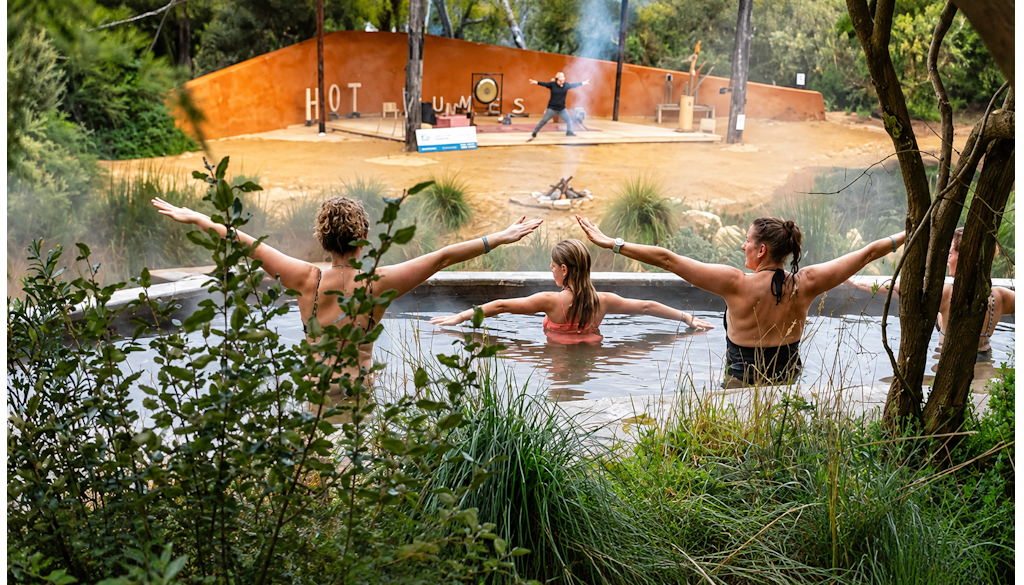
For Young People, Life Is an All-New Adventure. For Older People, Memories of Good Times and Lost Friends Come to Mind
- Written by: The Times
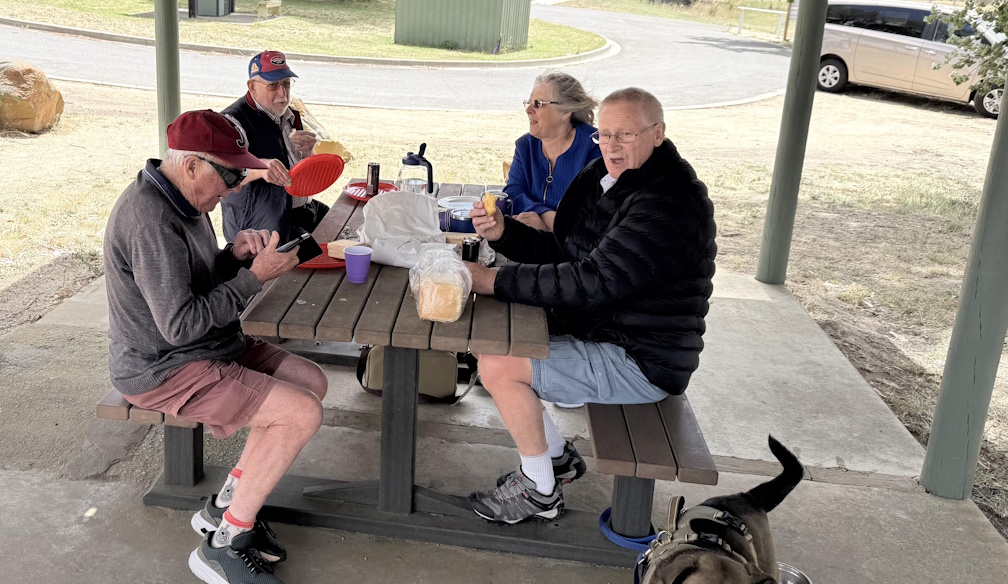
Life does not stand still. It moves forward relentlessly, but it does not move the same way for everyone. For the young, life opens like a map still folded, full of blank spaces waiting to be explored. For the older, that same map is creased and familiar, marked by places once visited, people once loved, and moments that shaped everything that came after.
Neither perspective is better. They are simply different vantage points on the same human journey.
The World as Possibility
For young people, life feels expansive. Time stretches ahead, generous and forgiving. Mistakes are framed as lessons, not regrets. Every year seems to promise something new: a new job, a new city, a new love, a new version of oneself.
Youth often lives in anticipation. There is excitement in not knowing how things will turn out. Careers are imagined rather than measured. Relationships are intense and immediate. Friendships feel permanent, immune to time and distance. The future, while uncertain, feels malleable — something that can be shaped with effort, ambition, or sheer will.
Even hardship has a different texture when you are young. Setbacks feel painful, sometimes devastating, but rarely final. There is a sense — sometimes naive, sometimes accurate — that there is always time to recover, to reinvent, to start again.
Adventure, for the young, is not always dramatic. Often it is simply independence: the first place of one’s own, the first pay cheque, the first time real responsibility arrives unannounced.
The Weight and Warmth of Memory
For older people, life often turns inward. Not because curiosity disappears, but because memory becomes richer than imagination.
Certain smells, songs, or passing remarks can summon entire decades. A tune on the radio brings back a summer that no longer exists. A familiar street corner evokes conversations with people who are no longer alive. The past does not feel distant — it feels layered beneath the present, always close to the surface.
There are memories of good times: laughter that came easily, friendships forged without effort, moments that were not recognised as special until long after they passed. There are also memories of loss — friends who moved away, friends who drifted apart, friends whose names are now spoken softly, if at all.
With age comes a different understanding of time. Years seem to move faster, not slower. Milestones blur. Birthdays are less about anticipation and more about reflection. The future still exists, but it is no longer infinite.
And yet, there is often a quiet gratitude that emerges alongside nostalgia. Older people know what mattered, because they have seen what lasted — and what didn’t.
What Each Generation Misses
Young people sometimes underestimate how fleeting their moment is. They assume friendships will always be available, that parents will always be there, that health and energy are permanent features rather than temporary gifts. They rush forward without looking back, not realising how quickly today becomes “back then.”
Older people, on the other hand, sometimes underestimate how much life remains. They can become trapped by memory, measuring the present against a past that no longer exists, forgetting that new joys — quieter perhaps, but still real — are still possible.
The tragedy is not that perspectives change with age. It is that generations often fail to understand each other’s viewpoint.
The young may see older people as nostalgic or resistant to change. Older people may see the young as reckless or ungrateful. In truth, each group is responding to life as they experience it now.
Shared Ground Across Time
Despite these differences, there is a profound overlap between youth and age.
Both are driven by connection. Young people seek belonging through shared experiences and future plans. Older people treasure connection through shared memories and enduring bonds.
Both fear loss — the young fear losing opportunities, the old fear losing people. Both hope for meaning — the young in what they will do, the old in what they have done.
And both, at their best, recognise the same truth: life is not defined solely by success, status, or possessions, but by moments — many of them small — that linger long after they have passed.
A Conversation Worth Having
Perhaps the greatest gift generations can give each other is attention.
Young people can listen to stories not as lectures, but as maps drawn by experience. Older people can listen to dreams not as impractical fantasies, but as reminders of what possibility once felt like — and, in many ways, still does.
Life is an adventure at the beginning. It becomes a story in the middle. And, eventually, it turns into a collection of memories — some joyful, some painful, all meaningful.
The trick is not to live only in one phase.
To the young: savour the adventure. One day, you will miss its chaos.
To the old: honour the memories, but don’t let them replace the present.
Because no matter where you stand on the timeline, life is still happening — and it is still yours to experience.