your guide to 6 gripping, courageous books
- Written by: Julieanne Lamond, Senior Lecturer in English, Australian National University
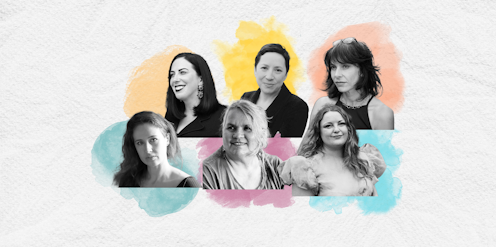
The Stella Prize has shown that feminist activism in the literary sector can work. At its outset, in 2013, it drew attention to the lack of women on prize shortlists.
Over time, it appears to have shifted prize culture in this county to the point that it seems unlikely that we’ll see a “sausagefest” shortlist again any time soon. And Stella’s regular count[1] of gender in Australian book reviewing has ensured editors think about the gender of the authors they review and the writers who review them.
Prizes can also be responsible for more subtle shifts in literary culture. The Stella Prize has challenged implicit, ingrained ideas about what a prize-winning book should look like. Its shortlists have foregrounded books that are idiosyncratic, activist and challenging. This year’s shortlist is no exception, for the most part steering away from established authors and major presses.
Taken together, the books on this year’s Stella shortlist suggest something about the forms of courage at work in Australian women’s writing at the moment: the courage to continue culture in the wake of colonial violence, to take political and personal risks in writing about a repressive regime, to write in the face of death and grief, stigma and taboo.
There is also courage in representing women who manifestly do not “keep it together” in their roles as mothers, partners, and friends, or who “let themselves go” in terms of not maintaining the forms of bodily or emotional control society expects of them. To read these works is to be gripped and compelled: they will stay with you.
Read more: Something remarkable has happened to Australia's book pages: gender equality has become the norm[2]
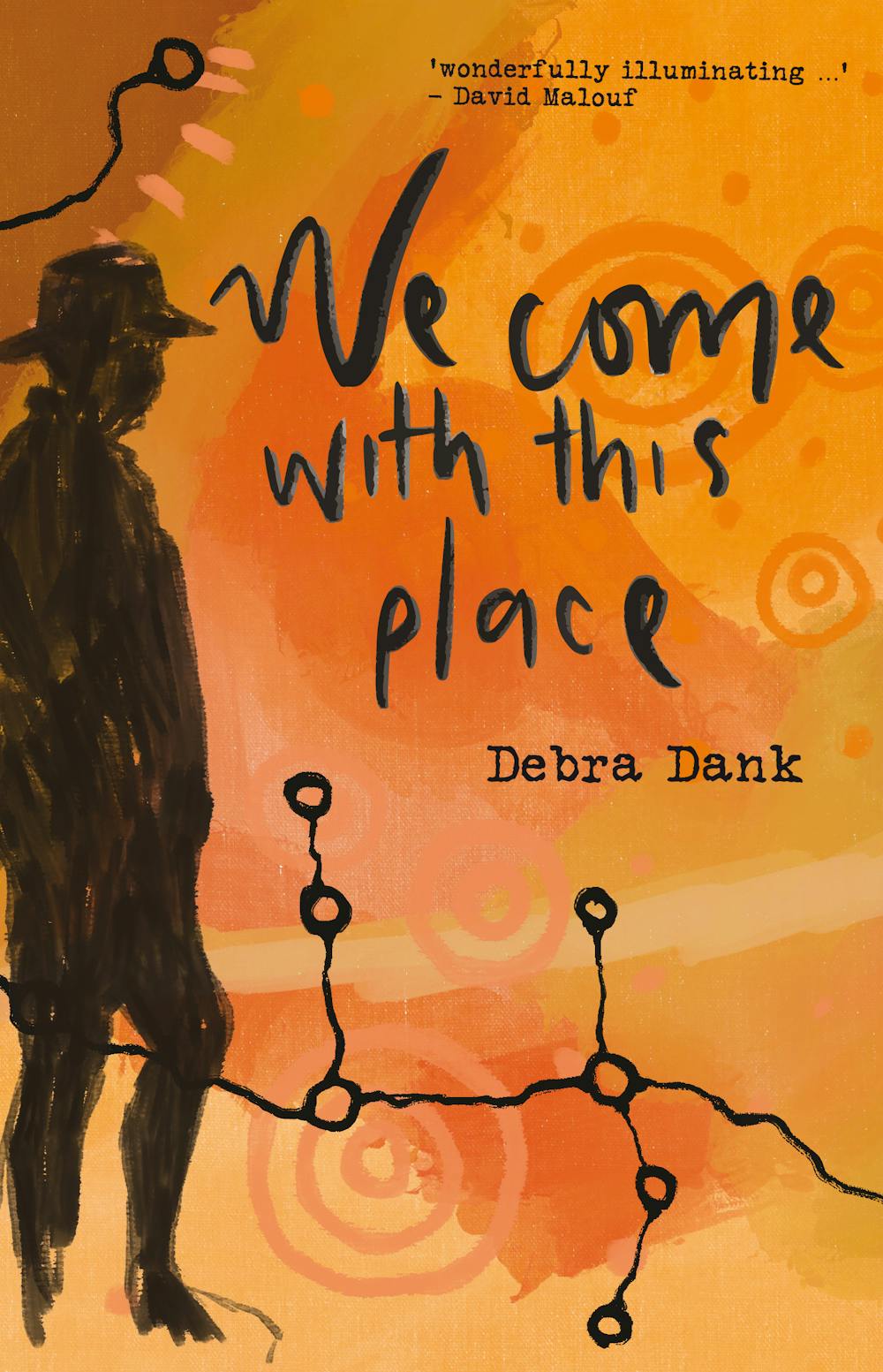
We Come With This Place by Debra Dank
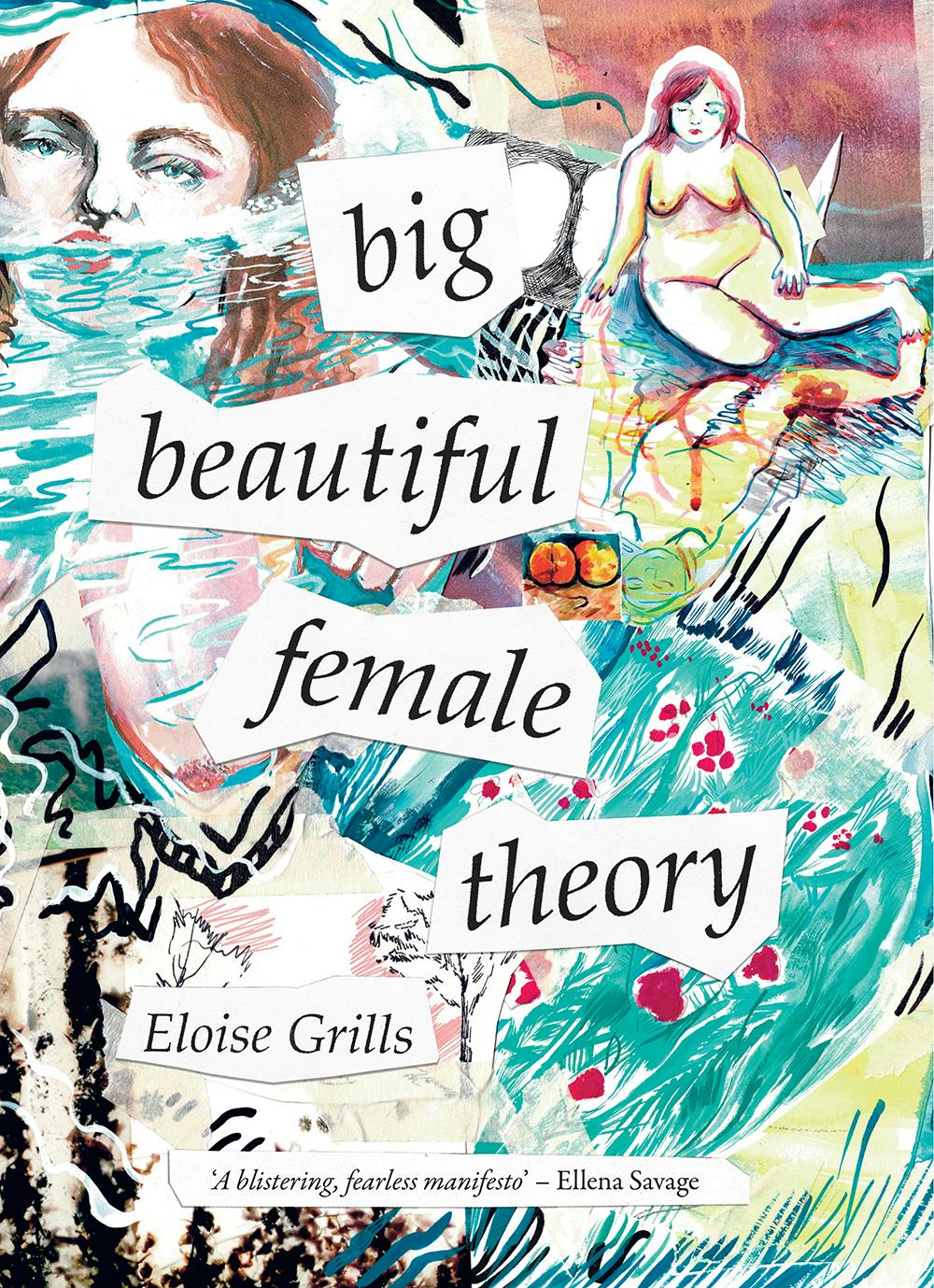 This is a work of memoir, theory, art history and visual essay, in which Eloise Grills tackles the big question of how women are impacted by how their bodies are seen by others. A series of essays illustrated by Grills’ arresting artwork, invite us to think about the fat body in culture, and how it feels to grow up and be seen as a fat woman.
The effect is frank and visceral: this combination of forms and media enables Grills to speak in multiple, conflicted ways about how women’s senses of their bodies are so intensely felt and yet socially circumscribed. She does not shy away from critique – her art and words share the page with quotes by cultural critics and theorists thinking about the effect misogyny has on women’s bodily experience – but there is also celebration and community here, especially in her tributes to an unsung history of “fat lady painters”.
This work also does some big thinking about the complicated history of women’s confessional writing and art, and how the act of confession is now shaped and monetised by social media.
Read more:
Big beautiful females and familiar dystopias: new graphic nonfiction interrogates 21st-century life[4]
The Jaguar by Sarah Holland-Batt
This is a work of memoir, theory, art history and visual essay, in which Eloise Grills tackles the big question of how women are impacted by how their bodies are seen by others. A series of essays illustrated by Grills’ arresting artwork, invite us to think about the fat body in culture, and how it feels to grow up and be seen as a fat woman.
The effect is frank and visceral: this combination of forms and media enables Grills to speak in multiple, conflicted ways about how women’s senses of their bodies are so intensely felt and yet socially circumscribed. She does not shy away from critique – her art and words share the page with quotes by cultural critics and theorists thinking about the effect misogyny has on women’s bodily experience – but there is also celebration and community here, especially in her tributes to an unsung history of “fat lady painters”.
This work also does some big thinking about the complicated history of women’s confessional writing and art, and how the act of confession is now shaped and monetised by social media.
Read more:
Big beautiful females and familiar dystopias: new graphic nonfiction interrogates 21st-century life[4]
The Jaguar by Sarah Holland-Batt
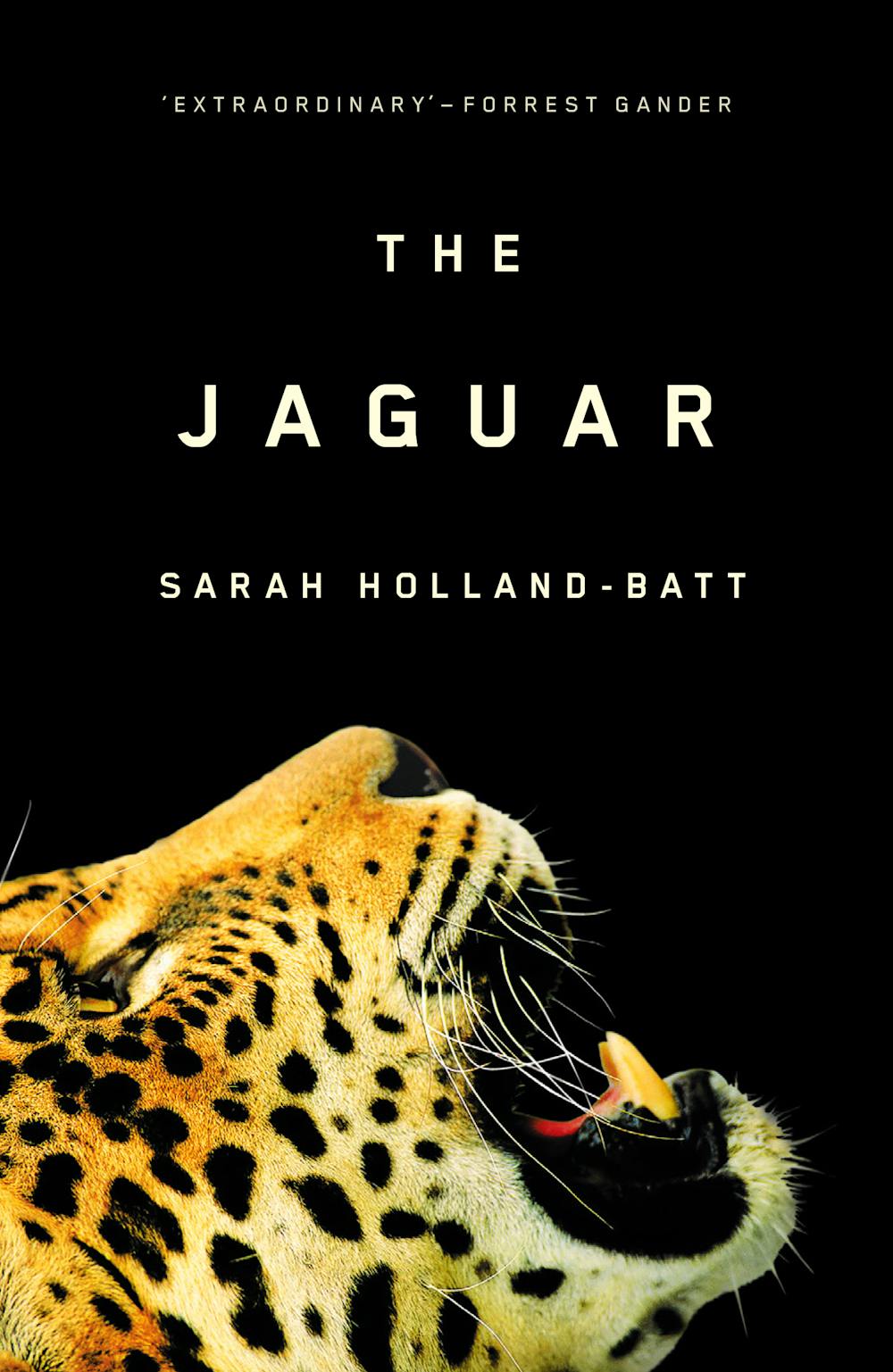 Sarah Holland-Batt is the most established author on this year’s shortlist. The Jaguar[5], her third book, is a powerful collection of poetry. Its strongest poems turn to scenes most people would turn away from: her father’s slow death from Parkinson’s, complete with hospital visits, dementia, grief.
In these poems, the devastating, mundane world of the hospital and nursing home takes on a glowing life: the brilliant opening poem envisions the speaker’s father as a giant koi, “guiding the mottled zeppelin / of his body in a single unceasing turn”, surfacing when the nurses bring his dinner. In another, the speaker’s mother is in hospital, listening to David Attenborough, and the ward and the world of his documentary become entangled: “Buzzers / zip and sting like electric / whipbirds.”
There are some dramatic tonal shifts across this collection, from these stunning hospital poems to others about travel, love and sex. Throughout, Holland-Batt uses form and language purposefully, with the deftness and confidence of a poet who knows exactly what she is doing.
Hydra by Adriane Howell
Sarah Holland-Batt is the most established author on this year’s shortlist. The Jaguar[5], her third book, is a powerful collection of poetry. Its strongest poems turn to scenes most people would turn away from: her father’s slow death from Parkinson’s, complete with hospital visits, dementia, grief.
In these poems, the devastating, mundane world of the hospital and nursing home takes on a glowing life: the brilliant opening poem envisions the speaker’s father as a giant koi, “guiding the mottled zeppelin / of his body in a single unceasing turn”, surfacing when the nurses bring his dinner. In another, the speaker’s mother is in hospital, listening to David Attenborough, and the ward and the world of his documentary become entangled: “Buzzers / zip and sting like electric / whipbirds.”
There are some dramatic tonal shifts across this collection, from these stunning hospital poems to others about travel, love and sex. Throughout, Holland-Batt uses form and language purposefully, with the deftness and confidence of a poet who knows exactly what she is doing.
Hydra by Adriane Howell
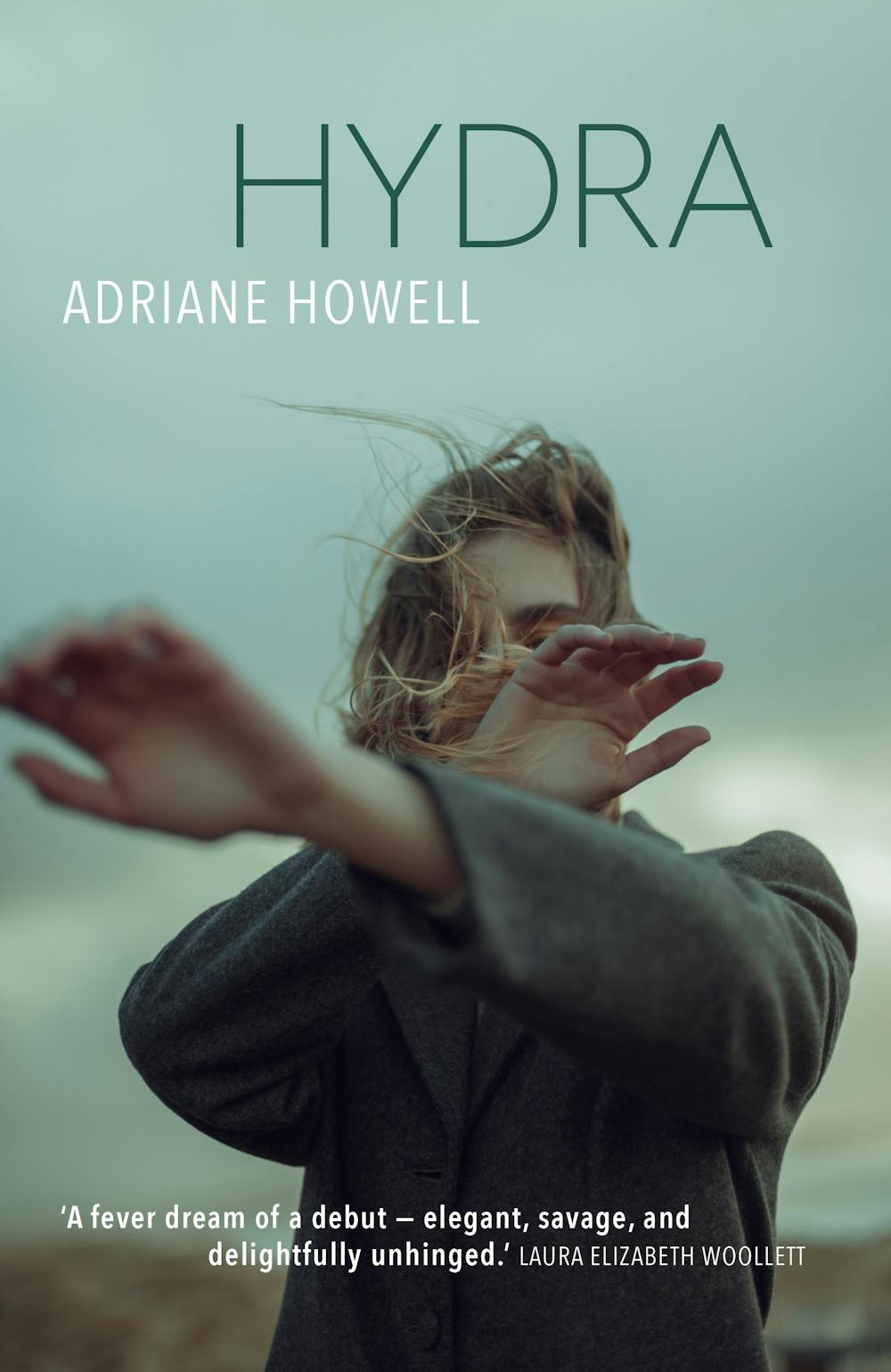 This debut novel is a taut and page-turning account of a woman who manifestly does not “keep it together”. Anja finds herself separated from her husband and her cherished career as a specialist in mid-century modern furniture, living in an isolated house in the middle of a navy base.
In this evocatively spooky place she falls in thrall to a mysterious creature that may or may not be an urban myth. She is a woman who does not do what her work or her friends or her partner expect of her, but she’s no misfit hero: she’s a hot mess.
I love this novel’s attention to the world of work and its expectations, and the complexities of female friendship. Objects take on talismanic emotional qualities and become, in their own ways, drivers of its plot. Hydra[6] is a new take on the gothic representation of a place with a layered history. It is detailed, memorable and difficult to put down.
Indelible City by Louisa Lim
This debut novel is a taut and page-turning account of a woman who manifestly does not “keep it together”. Anja finds herself separated from her husband and her cherished career as a specialist in mid-century modern furniture, living in an isolated house in the middle of a navy base.
In this evocatively spooky place she falls in thrall to a mysterious creature that may or may not be an urban myth. She is a woman who does not do what her work or her friends or her partner expect of her, but she’s no misfit hero: she’s a hot mess.
I love this novel’s attention to the world of work and its expectations, and the complexities of female friendship. Objects take on talismanic emotional qualities and become, in their own ways, drivers of its plot. Hydra[6] is a new take on the gothic representation of a place with a layered history. It is detailed, memorable and difficult to put down.
Indelible City by Louisa Lim
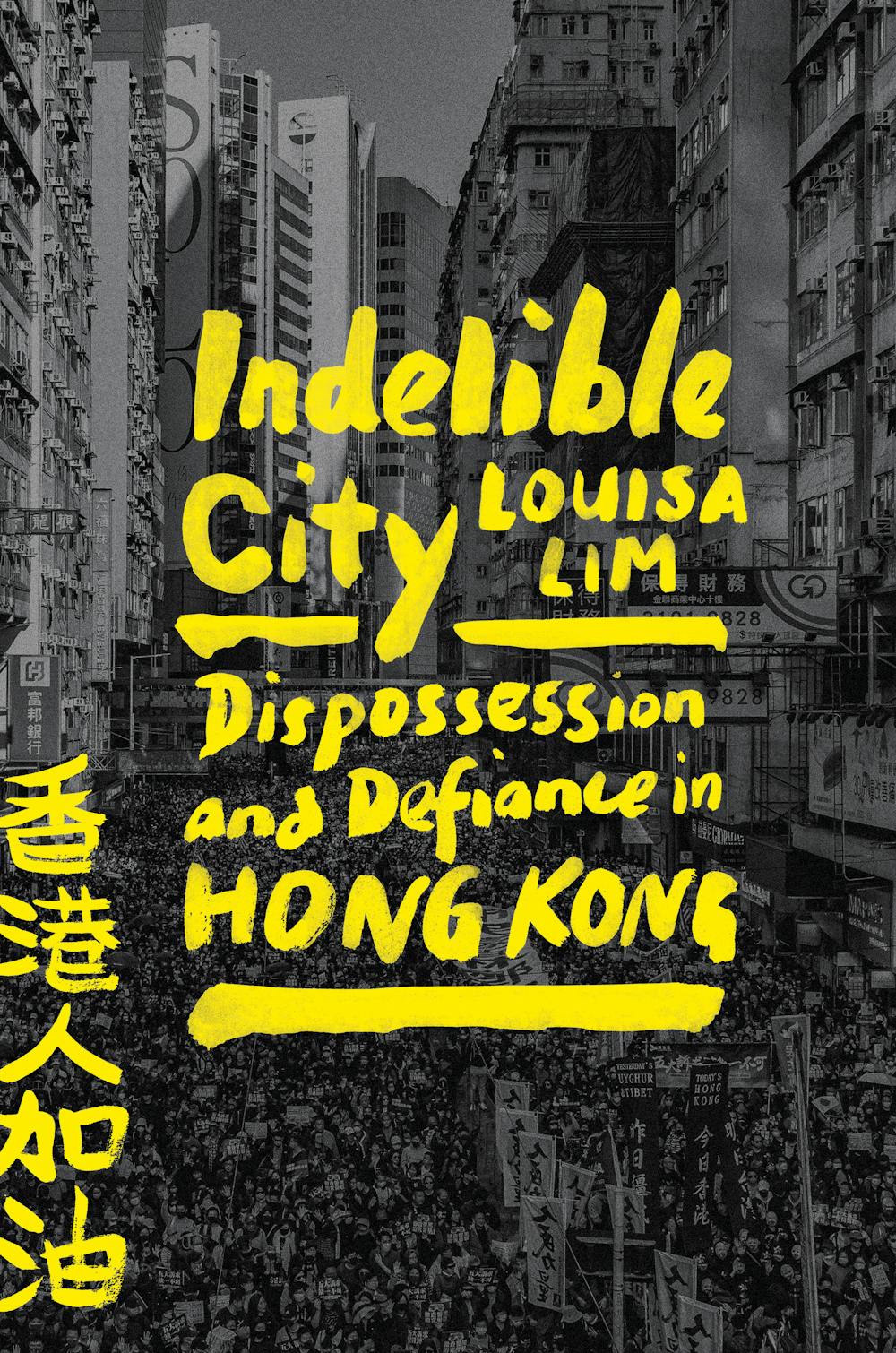 Louisa Lim uses a combination of memoir, biography and historical research to tell a layered story about Hong Kong’s history and present. It is at once a story of her own experiences of growing up in Hong Kong, a historical account of Hong Kong’s complex colonial history and the story of a street artist and garbage collector, Tsang Tsou-choi, who calls himself the King of Kowloon.
His sense of disinheritance, and his determination to paint wonky calligraphy all over the city that is painted over, but also sold in art galleries, is used by Lim to think about the city’s past and its heartbreaking recent history of protest[7] and suppression. It is also used to think about Lim’s own position as a journalist and woman who grew up in Hong Kong.
Indelible City[8] ends up eschewing the possibility of journalistic detachment in the face of seeing a vibrant city become subject to an authoritarian regime. Lim decides to pick up the paintbrush herself, and tells a story that is unashamedly activist. The result is an account that is both painstakingly researched and gripping to read.
Read more:
Louisa Lim's 'outstanding' portrait of a dispossessed, defiant Hong Kong is the activist journalism we need[9]
Bad Art Mother by Edwina Preston
Louisa Lim uses a combination of memoir, biography and historical research to tell a layered story about Hong Kong’s history and present. It is at once a story of her own experiences of growing up in Hong Kong, a historical account of Hong Kong’s complex colonial history and the story of a street artist and garbage collector, Tsang Tsou-choi, who calls himself the King of Kowloon.
His sense of disinheritance, and his determination to paint wonky calligraphy all over the city that is painted over, but also sold in art galleries, is used by Lim to think about the city’s past and its heartbreaking recent history of protest[7] and suppression. It is also used to think about Lim’s own position as a journalist and woman who grew up in Hong Kong.
Indelible City[8] ends up eschewing the possibility of journalistic detachment in the face of seeing a vibrant city become subject to an authoritarian regime. Lim decides to pick up the paintbrush herself, and tells a story that is unashamedly activist. The result is an account that is both painstakingly researched and gripping to read.
Read more:
Louisa Lim's 'outstanding' portrait of a dispossessed, defiant Hong Kong is the activist journalism we need[9]
Bad Art Mother by Edwina Preston
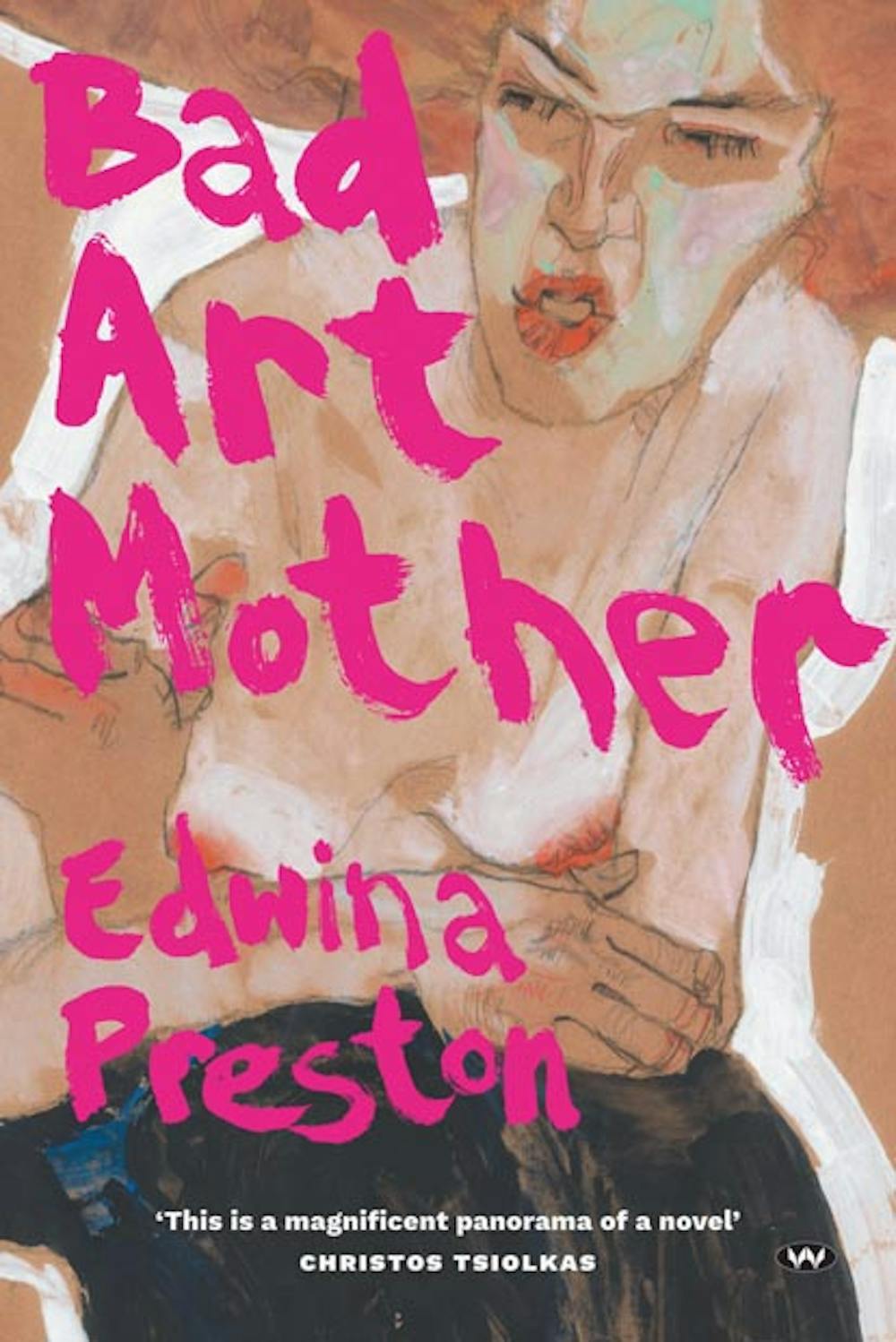 The figure of Veda Gray, the mother of this novel[10]’s title, draws from many female artists across history who have produced art in the face of a social structure that makes it very difficult to do so.
Aspects of her story echo that of Australian poet Gwen Harwood[11], who found it impossible to get her poetry published under her own name, but remarkably easy under a male pseudonym. In her anger, Harwood published a sonnet that said, when read acrostically: FUCK ALL EDITORS. Veda undertakes a similar protest, but with devastating personal impact.
Like Harwood, Veda writes poetry about aspects of women’s daily lives in housework and caregiving that are considered unworthy of poetry by male gatekeepers. Veda is unruly, in disarray, a “bad mother” who makes a difficult bargain with a rich couple to share care of her son. She is joined in an evocatively detailed world of restaurants and art in 1960s Melbourne by a cast of other women artists whose brilliance finds varied paths to light.
Preston uses Veda, and the narrating figure of her son Owen, to think about the choices women have to make – now as in the past – between their own creative achievement and what society expects of them as mothers and wives.
References^ count (theconversation.com)^ Something remarkable has happened to Australia's book pages: gender equality has become the norm (theconversation.com)^ this multi-generational memoir (www.echopublishing.com.au)^ Big beautiful females and familiar dystopias: new graphic nonfiction interrogates 21st-century life (theconversation.com)^ The Jaguar (www.uqp.com.au)^ Hydra (transitlounge.com.au)^ of protest (theconversation.com)^ Indelible City (www.textpublishing.com.au)^ Louisa Lim's 'outstanding' portrait of a dispossessed, defiant Hong Kong is the activist journalism we need (theconversation.com)^ this novel (www.wakefieldpress.com.au)^ Gwen Harwood (theconversation.com)
The figure of Veda Gray, the mother of this novel[10]’s title, draws from many female artists across history who have produced art in the face of a social structure that makes it very difficult to do so.
Aspects of her story echo that of Australian poet Gwen Harwood[11], who found it impossible to get her poetry published under her own name, but remarkably easy under a male pseudonym. In her anger, Harwood published a sonnet that said, when read acrostically: FUCK ALL EDITORS. Veda undertakes a similar protest, but with devastating personal impact.
Like Harwood, Veda writes poetry about aspects of women’s daily lives in housework and caregiving that are considered unworthy of poetry by male gatekeepers. Veda is unruly, in disarray, a “bad mother” who makes a difficult bargain with a rich couple to share care of her son. She is joined in an evocatively detailed world of restaurants and art in 1960s Melbourne by a cast of other women artists whose brilliance finds varied paths to light.
Preston uses Veda, and the narrating figure of her son Owen, to think about the choices women have to make – now as in the past – between their own creative achievement and what society expects of them as mothers and wives.
References^ count (theconversation.com)^ Something remarkable has happened to Australia's book pages: gender equality has become the norm (theconversation.com)^ this multi-generational memoir (www.echopublishing.com.au)^ Big beautiful females and familiar dystopias: new graphic nonfiction interrogates 21st-century life (theconversation.com)^ The Jaguar (www.uqp.com.au)^ Hydra (transitlounge.com.au)^ of protest (theconversation.com)^ Indelible City (www.textpublishing.com.au)^ Louisa Lim's 'outstanding' portrait of a dispossessed, defiant Hong Kong is the activist journalism we need (theconversation.com)^ this novel (www.wakefieldpress.com.au)^ Gwen Harwood (theconversation.com)