The Netanyahu–Trump Meeting. A Strategic Turning Point in a Fragile Middle East
- Written by: The Times
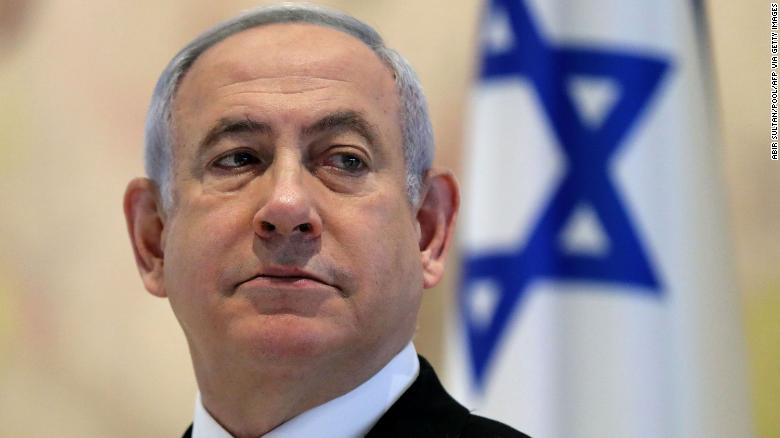
In late December 2025, Israeli Prime Minister Benjamin Netanyahu travelled to Florida to meet with U.S. President Donald Trump at Trump’s Mar-a-Lago estate. The encounter was more than a routine diplomatic courtesy; it was a critical summit at a time of mounting tensions in the Middle East, a fragile ceasefire in Gaza, and deep strategic disagreements — both between Israel and its adversaries, and within the U.S.–Israel alliance itself.
While the optics were cordial — with both leaders publicly reaffirming their mutual admiration — the underlying purpose of the meeting was multilayered and deeply consequential, encompassing three core arenas: advancing the Gaza peace process, addressing Iran’s destabilising activities, and managing strategic politics between Washington and Jerusalem.
1. Reviving Momentum in the Gaza Peace Process
At the heart of the meeting was the increasingly fragile Gaza ceasefire and the Trump-brokered peace plan intended to follow it. The two leaders sought to inject new energy into what has been a stalling diplomatic effort.
In October 2025, a U.N.-endorsed ceasefire brought a two-year war between Israel and Hamas to an uneasy halt. Yet, moving beyond Phase 1 — the initial cessation of hostilities — toward Phase 2 has proven difficult. That next stage involves disarming Hamas, establishing a multinational peacekeeping force, beginning reconstruction in Gaza, and setting up transitional administrative mechanisms. These steps have repeatedly hit roadblocks.
Trump used the meeting to press Netanyahu on progressing this peace plan. He emphasised that Hamas must disarm before the next stage can proceed and warned that if the militant group fails to do so, there would be severe consequences. “There will be hell to pay if they don’t lay down their weapons,” Trump said after the meeting.
Netanyahu, for his part, insists Israel’s primary concern remains security — particularly the return of the remains of the last Israeli hostage still believed to be in Gaza. Israel’s stance has slowed the transition toward reconstruction and international stabilisation efforts approved by the U.N.
This diplomatic push illustrates how both leaders are trying to square divergent pressures: Israel’s insistence on robust security guarantees, and the U.S.’s desire — at least on paper — to foster stability and humanitarian relief in a devastated Gaza.
2. Addressing Iran and Regional Security Threats
Another central purpose of the summit was to confront shared security concerns about Iran’s activities — particularly its alleged efforts to rebuild nuclear and long-range missile capabilities. Trump used the meeting to warn Tehran against reconstituting its weapons programs, threatening powerful military retaliation if it persisted.
While Trump did not present evidence attributing specific developments to Iran’s weapons programs, he underscored that U.S. and Israeli interests were aligned in preventing Tehran from obtaining the means to threaten regional stability.
For Netanyahu, Iran represents an existential threat. Israel has long accused Tehran of sponsoring militant proxies across the region — from Hezbollah in Lebanon to other armed groups — and of advancing a nuclear program capable of delivering a weapon to Israel’s doorstep. This is a core element of Jerusalem’s defence policy. The meeting offered him a platform to secure Trump’s renewed backing on these threats.
3. Managing U.S.–Israel Strategic Relations (and Domestic Political Overlays)
Beyond policy specifics, the meeting was a strategic exercise in alliance management. U.S.–Israeli relations have been strong historically, but not without tensions. Trump’s decision to host Netanyahu in Florida signals a personal diplomacy approach that seeks to reinforce the alliance — even as important disagreements remain.
One such disagreement surfaced publicly: Trump and Netanyahu acknowledged they were not fully aligned on policy toward the Israeli-occupied West Bank. While details were not fleshed out, it highlighted the limits of the U.S.–Israel consensus and the broader international pressure over settlements that most of the world regards as illegal under international law.
The meeting also took place against the backdrop of Trump’s broader foreign policy goals and domestic political calculations. Trump has consistently touted his role in brokering peace efforts and emphasising a robust U.S. posture in the Middle East — messaging that resonates with key segments of American political support. Likewise, Netanyahu, facing domestic criticisms and ongoing legal challenges back home, looked to project strength and secure international backing.
Interestingly, Netanyahu even announced that Trump would be awarded Israel’s highest civilian honour — the Israel Prize — a symbolic gesture underscoring the political and diplomatic affinity between the two leaders, even if some policy issues remain unresolved.
4. Broader International Implications
The summit comes at a moment when the Middle East’s geopolitical landscape is unusually volatile. The Gaza war’s devastation has compounded longstanding grievances, and regional actors — from Egypt to Jordan — remain wary of how peace initiatives might unfold. The delay in forming international stabilisation forces, disagreements over reconstruction, and disputes over territorial governance all signal that the road ahead remains perilous.
The U.S. — historically a key broker in Middle East diplomacy — now finds itself trying to balance staunch support for Israel with the broader objective of reducing conflict and humanitarian suffering. Trump’s public rhetoric on Iran and Hamas, while aimed at reinforcing security commitments, may complicate efforts to build broader international consensus.
Conclusion: A Meeting of Strategy, Signal, and Stalemate
Viewed in totality, the Netanyahu–Trump meeting was more than a diplomatic handshake. It was a strategic effort to:
-
Reinvigorate a stalled Gaza peace plan with a focus on disarmament, reconstruction, and international involvement.
-
Reaffirm U.S.–Israeli cooperation against perceived threats from Iran and other regional actors.
-
Manage policy disagreements — especially on the West Bank — while sending a unified message of alliance strength.
-
Navigate complex domestic and global political dynamics that influence how both leaders approach foreign policy.
While it projected a façade of unity and purpose, the summit also revealed deep structural challenges — from tactical disagreements to the fundamental difficulty of turning ceasefire into sustainable peace. What remains clear is that in a region fraught with decades-old conflict, even well-publicised diplomatic meetings are just one step in a long, uncertain journey toward stability.