Britain Votes Again: Keir Starmer, Labour and the Mood of a Nation in 2026
- Written by: The Times
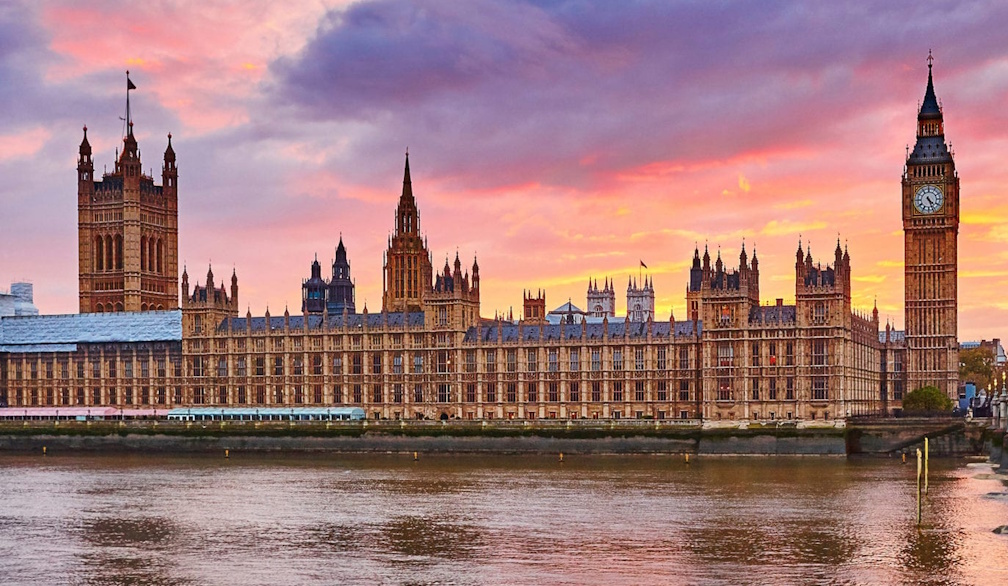
As Britain moves deeper into 2026, the political mood across the United Kingdom is tense, uncertain and increasingly impatient.
Less than two years after Keir Starmer led Labour to victory and ended more than a decade of Conservative government, British voters are now asking a difficult question:
Is life actually improving?
The answer depends very much on whom one asks.
For some Britons, Starmer represents stability after years of political turbulence, revolving prime ministers and economic uncertainty. For others, frustration over immigration, cost-of-living pressures and sluggish economic confidence continues to grow.
Britain in 2026 remains a country searching for direction after Brexit, inflation shocks, energy crises and years of political exhaustion.
And while there is no general election scheduled immediately, the political atmosphere already resembles a nation permanently campaigning.
Every local election, every by-election and every major policy announcement is now treated as a test of confidence in the Starmer government.
To understand the mood of Britain today is to understand a nation that remains proud of its history and institutions while simultaneously anxious about affordability, identity and the future.
The foremost issue remains the economy and the cost of everyday life.
Across Britain, households continue struggling with:
-
housing affordability
-
grocery prices
-
electricity and gas bills
-
transport costs
-
insurance premiums
-
rent and mortgage pressure
Inflation may have eased from earlier peaks, but many Britons feel the damage has already been done.
People notice that:
-
restaurant meals cost more
-
supermarket shopping costs more
-
train fares cost more
-
council rates cost more
-
fuel costs more
In short, ordinary life feels more expensive.
And when ordinary life becomes harder to afford, governments inevitably come under pressure.
Starmer entered office promising competence, economic responsibility and calmer leadership after years of political upheaval under successive Conservative governments.
For many centrist voters, that calmer tone itself was attractive.
After the volatility surrounding Brexit battles, leadership collapses and economic instability, parts of the electorate simply wanted normality restored.
Starmer positioned Labour as disciplined, moderate and managerial rather than revolutionary.
That strategy succeeded electorally.
But governing Britain in 2026 is proving far more difficult than campaigning against a tired government.
The public now expects visible improvement.
And improvement takes time.
Britain’s National Health Service remains central to national debate.
The NHS is not merely a healthcare system in Britain. It is almost a national symbol.
Many Britons strongly believe universal healthcare reflects the country’s core values.
Yet the system continues facing enormous pressure:
-
waiting lists
-
staffing shortages
-
hospital overcrowding
-
ambulance delays
-
funding pressures
Starmer promised reform and investment, but healthcare remains one of the biggest tests facing his government.
If voters feel the NHS is deteriorating further, political dissatisfaction will deepen quickly.
Immigration has also become one of the defining political issues of modern Britain.
The small boat crossings across the English Channel continue dominating headlines and public debate.
For some voters, border security has become symbolic of broader concerns about sovereignty, national identity and government control.
Critics argue Britain’s migration system places pressure on:
-
housing
-
schools
-
healthcare
-
infrastructure
Others argue migration remains economically necessary, particularly for sectors facing labour shortages including healthcare and hospitality.
This debate has intensified pressure on both Labour and the Conservatives.
Starmer faces a difficult balancing act.
He must reassure progressive urban voters while also addressing concerns from working and middle-class communities increasingly demanding stronger border control.
That balancing act reflects a wider reality about Britain itself:
The country remains deeply divided over what post-Brexit Britain should actually look like.
Brexit still shapes the national mood even years after Britain formally left the European Union.
Supporters continue viewing Brexit as a restoration of sovereignty and democratic control.
Critics continue believing Britain damaged its economy and international influence.
In many ways, Brexit was never merely about trade agreements.
It was about identity.
And identity debates do not disappear quickly.
Confidence in politicians generally remains fragile.
Many Britons across the political spectrum feel disconnected from Westminster politics.
Years of scandals, leadership crises and broken promises damaged public trust significantly.
Starmer’s personal image differs sharply from some predecessors.
He is widely seen as more restrained, lawyer-like and methodical.
Supporters view that as professionalism.
Critics sometimes view it as lacking charisma or emotional connection.
Yet perhaps the deeper issue is that modern voters increasingly distrust political systems altogether, not merely individual leaders.
This trend extends well beyond Britain.
Fuel prices and transport costs remain another major concern.
Although Britain possesses strong public transport networks compared with countries such as Australia, millions still rely heavily on cars outside major cities.
Motoring has become increasingly expensive.
Petrol prices, insurance costs, congestion charges and vehicle prices continue frustrating drivers.
At the same time, Britain’s transition toward electric vehicles has created both optimism and anxiety.
Some see environmental progress.
Others see rising costs and uncertainty.
For many working households, replacing a petrol vehicle with a new electric model simply feels financially unrealistic.
Housing affordability remains one of Britain’s most serious long-term social pressures.
In London particularly, property prices long ago moved beyond the reach of many younger buyers without family assistance.
But affordability pressures are now widespread across much of the country.
Young Britons increasingly face:
-
delayed home ownership
-
long-term renting
-
higher mortgage rates
-
reduced financial security
This has changed the psychology of younger generations.
There was once broad confidence that hard work and education would reliably produce upward mobility.
That confidence has weakened considerably.
Education itself remains both a strength and a concern.
Britain still possesses some of the world’s greatest universities, including University of Oxford and University of Cambridge.
Yet university costs, student debt and employment uncertainty continue generating debate about whether traditional educational pathways still guarantee prosperity.
Cultural debates surrounding schools and universities have also intensified, reflecting broader Western political tensions around identity, free speech and national values.
Meanwhile Britain’s economy continues adapting to a changing global landscape.
London remains one of the world’s great financial centres. British media, law, finance and higher education still exert enormous international influence.
Yet Britain also faces familiar Western pressures:
-
ageing populations
-
public debt
-
infrastructure demands
-
economic competition
-
energy costs
-
technological disruption
And hanging over all of this is a larger national question:
Is Britain becoming stronger or weaker?
Supporters of the Starmer government argue stability itself represents progress after years of turmoil.
Critics argue Britain still feels economically stagnant, overtaxed and uncertain about its future direction.
The political opposition continues searching for ways to regain voter confidence after significant Conservative losses.
At the same time, smaller parties and populist movements continue attracting support from voters frustrated with both major parties.
The national mood in Britain during 2026 is therefore not one of collapse or panic.
Nor is it one of great optimism.
It is cautious.
Watchful.
Financially pressured.
Politically divided.
Yet still deeply attached to the idea that Britain matters in the world.
Perhaps that remains the defining characteristic of modern Britain.
Even during periods of uncertainty, Britons continue arguing fiercely about their country precisely because they care intensely about what it becomes next.
And as the Starmer government moves further into office, the central question facing voters is becoming clearer:
Not whether Britain can change — but whether ordinary people will genuinely feel their lives improving as a result of that change.