Can Jim Chalmers reap a healthy crop with the help of his big worm farm?
- Written by: Michelle Grattan, Professorial Fellow, University of Canberra
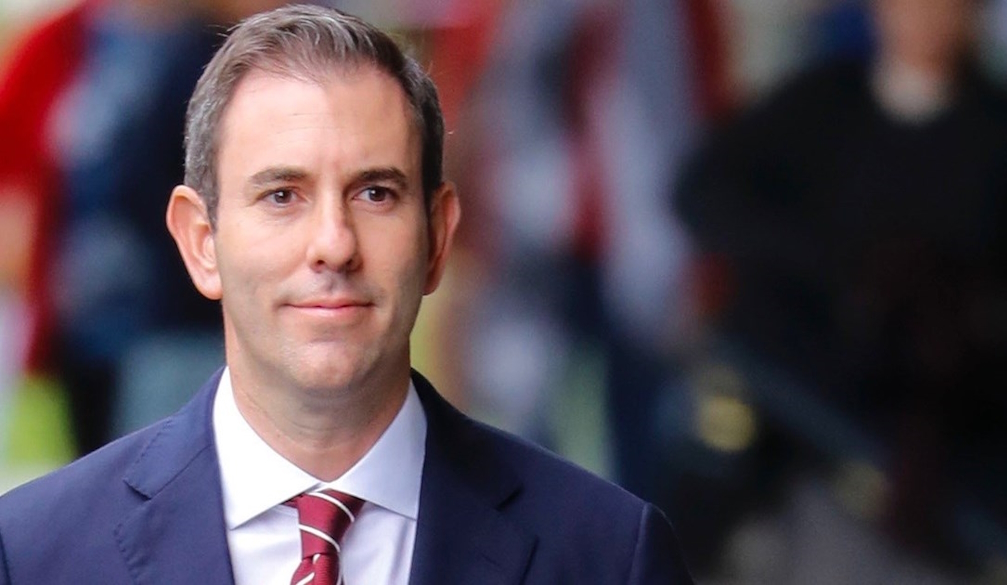
One observer describes next week’s economic roundtable this way: “Chalmers has opened a can of worms – and everybody has got a worm”.
Even those close to the roundtable are feeling overwhelmed by the extent of the worm farm. There are many hundreds of submissions, five Productivity Commission reports, Treasury background papers, and stakeholders in the media spruiking their opinions ahead of the event.
Business, unions and the welfare sector have largely settled into their predictable wish lists.
In areas such as the housing crisis, it’s actually not difficult to say what should be done – you hardly need this meeting to tell you. It just seems near impossible to get the relevant players (whether they be states, local councils, the construction industry) to do it, or be able to do it.
On issues of deregulation generally, when it comes to specifics, a lot is contested. As the ACTU’s Sally McManus, who’ll be at the roundtable, says, “one person’s regulations are another person’s rights”.
As much as Treasurer Jim Chalmers might like to project the sunny side of Australia’s situation, independent economist Chris Richardson (who will be at the summit’s day three tax session) puts it more bluntly.
“We have a problem: the average Australian saw their living standards rise by just 1.5% over the past decade,” he posted on X.
“That’s embarrassingly shy of the 22% lift in living standards enjoyed across the rich world as a whole, and way below what Australians achieved in times past.
"You’d have hoped that both sides would have talked about tackling that challenge at the last election, but they didn’t.”
Richardson is hoping the roundtable can achieve “enough consensus to change some things”, which the government can use as a springboard. But he’s worried the meeting could underperform, given its “lead-up hasn’t seen much consensus”,
Economist Richard Holden from UNSW says to be successful, the roundtable needs to get “broad agreement on some version of the ‘Abundance[1] agenda’ [a reference to a currently fashionable book focusing on loosening regulatory blocks] – especially as it applies to housing.
"In addition, to be successful would require that big issues like federation and tax reform are referred to Treasury for serious consideration and to present the government with options by year’s end.”
There are two approaches for a government that wants to promote economic reform.
It can, as then treasurer Paul Keating did at the 1985 tax summit, put up a model and see how much it can make fly.
Or it can, as Chalmers is doing, ask a wide range of participants for their ideas, and then decide how much of what emerges to pursue – in terms of what has wide support and what fits the government’s agenda.
The closer we get to the meeting, the harder it becomes to anticipate its likely import (or lack of). Signposts are there, but they could be false signals, or ignored later.
Despite all the talk about tax, the government – specifically the prime minister – has flagged it doesn’t have the stomach for radical reform. Certainly not this term.
Anthony Albanese said last week, “The only tax policy that we’re implementing is the one that we took to the election”. This doesn’t rule out new initiatives this term – the phrasing is carefully in the present tense – but from what we know of the PM’s approach they would likely be limited rather than sweeping.
Independent economist Saul Eslake said that a few weeks ago he was optimistic the summit would give Chalmers the licence to spend some of the vast political capital the election yielded.
“But the prime minister has made it clear he is not getting that licence. The government is not prepared to venture much beyond its limited mandate from the election.
"The best that can be hoped for is a willingness to have an adult conversation with the electorate between now and the next election with a view to seeking a bold mandate in 2028,” Eslake says.
Predictably, the roundtable is putting the spotlight on the Albanese-Chalmers relationship. This can be summed up in a couple of ways. The PM is more cautious when it comes to economic reform, the treasurer is more ambitious. In political terms, it’s that “old bull, young bull” syndrome.
The different styles are clear. The “old bull” is blunt, sounding a touch impatient, for example, when he’s asked about tax. The “young bull” is publicly deferential to his leader.
One of the most potentially significant discussions at the roundtable will be around AI. Unlike many well-worn issues, this is a relatively new, and quickly changing, area of policy debate. There are varying views within government about whether firm or light guardrails are needed and whether they should be in a separate new act or just via changes to existing laws.
Chalmers is in favour of light-touch regulation. The unions are not on the same page as Chalmers’ regulatory preference, and they want a say for workers.
The unions were the winners from the 2022 jobs and skills summit – the government delivered to them in spades at the meeting, and later. It’s not clear they are in as strong a position this time. Their big claim for the roundtable – a four-day working week – has already been dismissed by the government. The ACTU doesn’t seem much fussed by the rejection – it is on a long march[2] on that one.
Regardless of the diversity of views among those rubbing shoulders in the cabinet room next week, one man will stand out as something of an oddity. Ted O'Brien, shadow treasurer, invited as a participant, will be as much an observer.
O'Brien might say he wants to be constructive, but his role means he will want to be critical. But he has to tread carefully. Others in the room, and outside observers, will be making judgements about him. For O'Brien, the gathering should be a networking opportunity more than an occasion for performative display.
References
- ^ Abundance (theconversation.com)
- ^ on a long march (theconversation.com)