The Times Australia
Google AI
The Times Australia
.

Taxis VS UBER: The fight for Australia's roads, fares and trust

  • Written by The Times
Taxis V Uber

When Uber arrived in Australia in 2012, it described itself as the future. Cheaper fares and more choice. A tap-and-go alternative to what it claimed was a tired, overregulated taxi industry.

More than a decade later, Uber is embedded in everyday life, but the argument it sparked has not gone away.

The contest between taxis and Uber is no longer just about convenience or price. It’s a broader debate about safety, accountability, and whether the race to the bottom has gone too far.

Uber's pricing strategy is clear. The key question is: who is really paying for it?

While lower price will always remain an effective way to change market behaviours it’s important to consider the true cost of that low price.

Uber charges the driver around 27% of each fare they make. Even with a high volume of trips, this means a very low return for the driver.

Taxis, on the other hand, operate on fixed network and booking fees, meaning drivers keep the full fare rather than handing over a percentage of every trip.

Australia has long had a minimum wage to protect vulnerable workers and governments should ask: are tech giants like Uber creating a new under class of labour designed to improve their bottom line at the expense of important Australian regulatory institutions?

EARLY EXPANSION

Uber’s early expansion was swift and chaotic. The company operated without regulatory approval in several States as it built scale across Sydney, Melbourne and Brisbane, forcing governments to react rather than plan.

Taxi licence holders, many of whom had invested heavily under the previous regulatory system, were left exposed. Compensation schemes to taxi operators followed, but the damage to the industry was already done.

Today, Uber may be a household name, but its business model remains under scrutiny. Surge pricing, driver conditions and passenger safety is often criticised, particularly during public transport disruptions and major events when alternatives are limited.

Taxi networks, meanwhile, argue they have quietly rebuilt trust by focusing on the fundamentals.

FIXED PRICE TAXI FARES

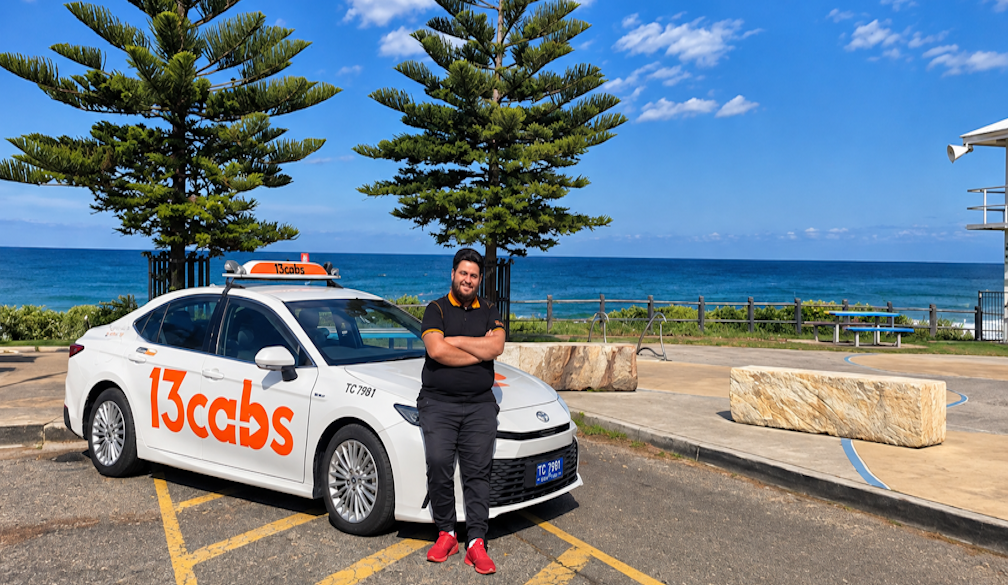
At 13cabs, Australia’s largest taxi network, that argument centres on certainty.

Chief Operating Officer Olivia Barry says the key difference between 13cabs and rideshares platforms is that 13cabs offers passengers a fixed price guarantee.

“The fare agreed at the start of the trip is the fare paid at the end, regardless of demand spikes, traffic or external events,” she says. “It even stays the same on Christmas Day.

“That distinction is relevant as complaints about surge pricing increase.

“Consumer groups and the media have repeatedly highlighted cases where Uber fares have climbed sharply during peak demand, including train disruptions, bad weather and major concerts and sporting events.”

Uber believes surge pricing is necessary to balance supply and demand. Ms Barry argues it leaves passengers exposed at times when they have little choice.

Ms Barry says safety is the other major point of difference between the two.

She says taxis operate under long-standing regulatory frameworks that require accredited drivers, regular vehicle inspections and centralised oversight.

“At 13cabs, every trip is tracked, drivers are connected back to a base, and support staff can step in if something goes wrong mid-journey,” she says.

Ms Barry says that level of oversight is deliberate.

“Taxis are not simply a technology platform matching riders with drivers, but a transport service run by people whose job is to get passengers where they need to go safely,” she says.

Ms Barry said another significant difference between taxis and Ubers was in-vehicle cameras.

Many taxis across Australia - and all 13cabs taxis - operate with approved security camera systems, designed to protect both passengers and drivers.

Access to that footage is tightly controlled and differs by State, but typically sits with the network operator, regulators and police, rather than individual drivers.

The presence of cameras acts as both a deterrent and a safeguard, particularly in disputes or safety incidents.

Rideshare vehicles, by contrast, rely largely on app-based reporting and optional dashcams installed at a driver’s discretion, creating a less consistent approach to in-vehicle monitoring.

ACCESSIBILITY TRANSPORT

Accessibility transport is another area where the difference between taxis and Uber is misunderstood.

Uber operates wheelchair-accessible vehicles in Australia through its UberWAV category, but availability varies widely depending on location and time of day, and supply is very limited.

Traditional taxi networks carry the main responsibility for transporting passengers with mobility needs, operating wheelchair-accessible fleets under regulatory obligations.

But industry figures increasingly warn that expecting taxis alone to shoulder that responsibility is not realistic, particularly as cities grow, and demand increases.

Disability advocates and transport experts argue the responsibility for moving passengers who use wheelchairs cannot sit with taxis alone.

Uber and other rideshare platforms now form a significant part of the transport ecosystem and should play a more consistent role in providing accessible services rather than relying on limited, opt-in offerings,” Ms Barry says.

The accessibility debate sits alongside broader safety concerns that have been made about Uber globally.

Internationally, the company has faced controversies including passenger assaults, driver vetting and criticism of its crisis response.

Uber has also been accused of undercutting fares to gain market share, a strategy that places pressure on driver earnings and service quality.

While the company has adjusted pricing and policies over time, the question of whether ridesharing delivers sustainable, professional transport remains unresolved.

In response to the introduction of Uber, taxi networks including 13cabs have invested heavily in state of the art technology to close the convenience gap.

Passengers can now book taxis via the app, track their driver in real time and pay digitally. But unlike surge-based platforms, taxi pricing remains regulated, transparent and predictable.

Ms Barry says that predictability matters most for vulnerable passengers, including older Australians, people travelling late at night and those unfamiliar with a city.

“Knowing the fare in advance and that the trip is monitored affects how safe people feel,” she says.

That confidence tends to show during moments of stress on the transport system.

“During major events and public transport disruptions, taxis continue to play a critical role in moving crowds.

“While Uber fares often spike during these periods, 13cabs operates under fixed pricing rules for booked fares and regularly sets up concierges at major events to help passengers find taxis quickly.”

Policymakers have taken notice. Several State Governments have tightened safety and reporting requirements for ride-share operators, acknowledging that ride-hailing is no longer a fringe service but a core part of the transport mix.

Even so, the regulatory gap remains a significant point of difference.

Taxi drivers must meet stricter licensing and compliance standards, while ride-share drivers operate under more flexible arrangements.

Industry advocates argue this creates an uneven playing field, with taxis bearing higher costs while delivering higher levels of protection.

TECH COMPANY FIRST

Uber, for its part, maintains it offers flexible earning opportunities for drivers and affordable transport for passengers.

The company has expanded into food delivery and freight, positioning itself as a broader logistics platform rather than a pure transport provider.

Critics say that shift highlights the difference in focus.

Taxis exist solely to transport people safely and reliably,” Ms Barry says. “Uber is a technology company first and transport provider second.”

As cost-of-living pressures intensify and scrutiny of corporate practices grows, people are changing their view about rideshare.

Fixed fares, regulated standards and human oversight, once dismissed as outdated, are being reassessed as strengths.

More than a decade after Uber disrupted Australia’s roads, the taxi industry is no longer trying to out-innovate rideshare on its terms.

Instead, it is positioning itself as the safer, more accountable option in a crowded and contested transport market.

Whether passengers, regulators and governments agree that disruption has limits may determine how Australia moves people in the years ahead, and whether reliability ultimately matters more than hype.

Subcategories

Australia was once a world leader in innovation. A new report shows the system is now ‘broken’

Australia’s research and innovation system is “broken” and needs “bold reform”, according to a major new indep...

Times Magazine

How new rules could stop AI scrapers destroying the internet

Australians are among the most anxious in the world[1] about artificial intelligence (AI). This...

Why Car Enthusiasts Are Turning to Container Shipping for Interstate Moves

Moving across the country requires careful planning and plenty of patience. The scale of domestic ...

What to know if you’re considering an EV

Soaring petrol prices are once again making many Australians think seriously[1] about switching ...

Epson launches ELPCS01 mobile projector cart

Designed for the EB-810E[1] projector and provides easy setup for portable displays in flexible ...

Governance Models for Headless CMS in Large Organizations

Where headless CMS is adopted by large enterprises, governance is the single most crucial factor d...

Narwal Freo Z10 Robotic Vacuum and Mop Cleaner

Narwal Freo Z10 Robotic Vacuum and Mop Cleaner  Rating: ★★★★☆ (4.4/5) Category: Premium Robot ...

The Times Features

Compulsory super is higher than ever at 12%. But cutting it would hurt low-paid workers most

A central element of Australia’s superannuation system is the superannuation guarantee[1] (SG). ...

Grants open for port communities across the Hunter and Northern Rivers regions

Local organisations doing important work across the Hunter and Northern Rivers regions are being...

AI Is Already Here. The Question Is Whether Your Business Is Built for It

We sat down with Nirlep Adhikari — CTO at LoanOptions.ai and Founder of Mount Mindforce — to cut...

Cleared to Land — and Cleared to Die: How a Runway Failure Killed Two Pilots in Seconds

A modern passenger jet, operating under full clearance, descending onto a controlled runway at o...

Leader of The Nationals Matt Canavan - press conference

CANBERRA PARLIAMENT HOUSE PRESS CONFERENCE WITH SHADOW WATER MINISTER MICHAEL McCORMACK; MURRAY-DA...

The Power Of An Uncomfortable Love

How challenging relationships can help us grow. Never have we lived in a time where relationshi...

US country favourite Larry Fleet joins 2026 Gympie Music Muster

Tennessee singer-songwriter Larry Fleet will bring his band to the Gympie Music Muster on Friday...

56 OF YOUR FAVORITE DISNEY STARS SHINE BRIGHT IN DISNEY ON ICE PRESENTS MAGIC IN THE STARS!

The most Disney characters in one show and the on-ice debut of Raya from Raya and the Last Dragon...

How much do you really need to retire? It’s probably a lot less than $1 million

Every few months, someone in the superannuation industry declares that Australians now “need” ar...