Energy is in the foreground – but climate change is ‘in the shadows’
- Written by: Michelle Grattan, Professorial Fellow, University of Canberra
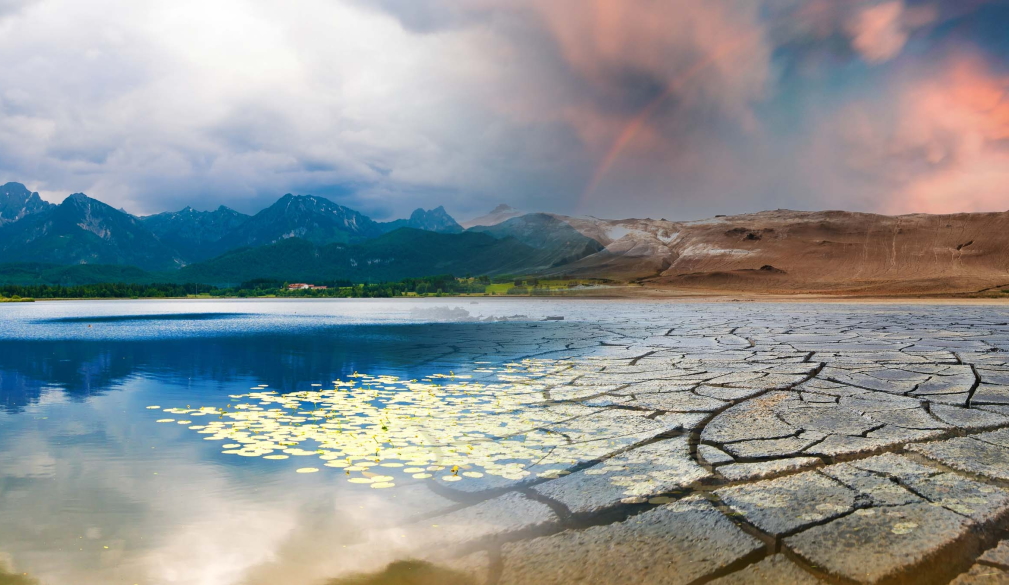
This election is already shaping up as very much about energy. But notably, ambitions for and debate about combatting climate change have receded in recent times.
Peter Dutton has his proposal for an east coast gas reservation scheme at the centre of his campaign. Then of course there is that much-contested nuclear policy. But the government has declined to produce a 2035 emissions reduction target before polling day and, apart from its commitment to net zero by 2050, the Coalition won’t talk targets in opposition.
John Connor, CEO of the Carbon Marketing Institute, says “probably not since 2004 has climate been so much in the shadows, at least at this stage”. It’s a matter of the “energy wars” rather than the “climate wars” so far, he says.
The climate change issue was potent in 2022, especially in helping the “teal” candidates get elected. It probably is still cutting through in their sort of seats. And climate change demonstrators are targeting election events.
But more generally, things have changed.
The Freshwater poll in the Australian Financial Review [1]on Monday asked people to list three issues of top concern for them.
Unsurprisingly, cost of living was a mile ahead of anything else, at 74%. Then came housing (37%), healthcare (27%), economy (26%), crime (25%) and tax (19%). Climate change followed seventh, with 18%, ahead of immigration (15%) and defence (13%).
When asked who would be best to respond to concern about climate change, Labor held a solid lead, 35% to the 22% who nominated the Coalition, but 43% said neither or were unsure.
The Morgan poll[2] early this year compared issues of most importance to people in the September quarter of 2024 and the June quarter of 2022. Just under a third nominated global warming and climate change in 2022 (32%); by 2024 this was down to less than a quarter (23%).
The cost-of-living crisis is the most obvious reason why climate change has faded in many voters’ minds. That has pushed almost everything else aside, as families struggle with financial practicalities.
(The Carbon Market Institute says, however, that polling it commissioned, to be released later this week does show the public understand the link between climate change and the cost of living, even if the politicians are reluctant to go there just now. 62% of respondents agreed impacts of climate change - such as more frequent and severe bushfires and flooding - worsen the cost of living through insurance cost increases and grocery prices, with just 13% disagreeing.)
Now we are deeply into the transition to a clean economy the inevitable downsides are more to the fore. However necessary, they are painful, including high power bills (that have had to be subsidised by the government) and local arguments about transmission lines and wind farms blighting parts of the landscape.
After it was elected Labor highlighted the importance of climate change by legislating its 2030 43% emissions reduction target. But it has become reticent when asked to talk about the 2035 target for Australia.
That was initially due to be submitted under the Paris agreement by February, but now it won’t be announced until closer to the September deadline. Nor will the Climate Change Authority, headed by former NSW Liberal treasurer Matt Kean, produce its recommendation to the government before the election. The government’s explanation for its delay is that it can’t act before the the authority’s recommendation.
Dutton remains committed to the Paris agreement and the zero emissions by 2050 target. But he flagged at the weekend that he would not proceed with Australia’s bid to host COP31 in 2026.
The opposition says it would keep the safeguards mechanism that regulates emissions from large emitters, but we don’t know what changes it would make to it.
Nor do we know what would happen under a Dutton government to the various framework institutions around climate change policy. But Kean and his authority are certainly in the gun sights. Opposition finance spokeswoman Jane Hume has said, “I don’t think that we could possibly maintain a Climate Change Authority that has been so badly politicised”.
What is it about some modern conservative leaders and The Lodge?
Peter Dutton on Monday declared that, if he became PM, he would live at Kirribilli House, not The Lodge.
“We love Sydney, we love the harbour, it’s a great city, and so yes. You’ve got the choice between Kirribilli or living in Canberra. I think I’ll take Sydney any day over living in Canberra,” he said.
The opposition leader’s disdain for Canberra was obvious. Then again, perhaps when you’re planning to get rid of tens of thousands of Canberra-based public servants, Kirilly Dutton might find a browse around the Manuka shops potentially awkward.
From the way he extolled the virtues of Sydney, it doesn’t seem that Dutton wishes he could stay in his home city of Brisbane, prevented from doing so only by the lack of an official residence there.
As prime minister, Malcolm Turnbull didn’t just stay living in Sydney – he chose to remain in his own house. It was certainly more glam than The Lodge.
Yet The Lodge was good enough for the leader to whom the Liberals all pay homage. Robert Menzies and his family lived there quite happily for a very long time. Menzies’ daughter Heather Henderson, in her book A Smile for My Parents, tells of life in the bush capital, when her mother kept a shanghai in the wisteria to take potshots at the currawongs.
They were simpler days. The security-conscious Dutton would be appalled at the anecdote about the intruder who appeared one night in the Lodge kitchen. Pattie Menzies, who happened to be carving the roast for dinner at the time, walked into the kitchen, armed with the knife. The intruder fled. There was no official inquiry – just a reprimand for the maid for not snibbing the door.
References
- ^ The Freshwater poll in the Australian Financial Review (www.afr.com)
- ^ The Morgan poll (www.roymorgan.com)