What is the difference between freight forwarding and clearing?
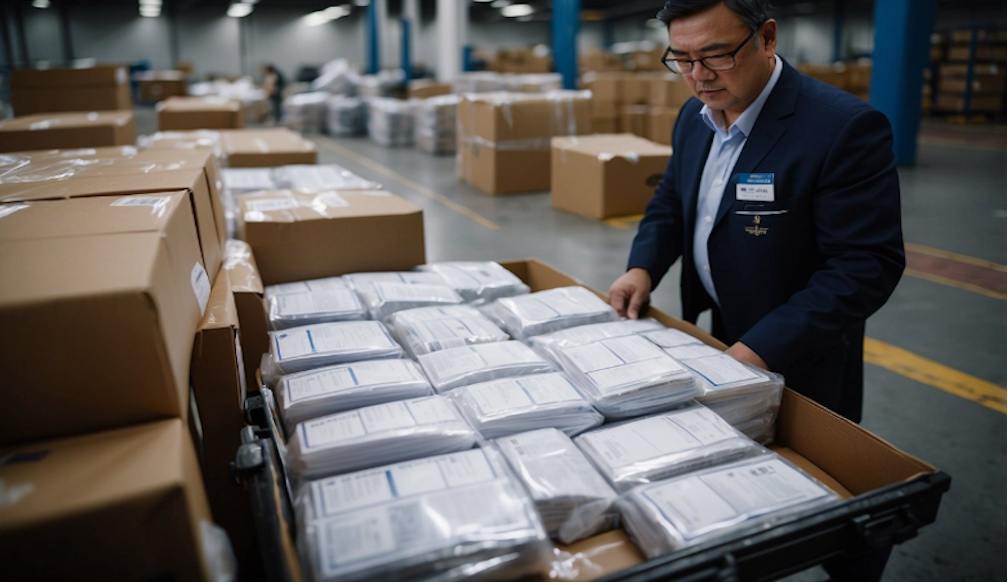
Freight forwarding and clearing are two pivotal functions in global shipping and logistics support. Freight forwarding involves organizing the shipment of goods from one location to another, handling various modes of transportation and paperwork. In contrast, clearing primarily focuses on ensuring goods meet all customs regulations and duties, facilitating their legal entry into a country.
These roles, while distinct, are interconnected. A freight forwarder often coordinates with clearing agents to ensure a seamless shipping process. This collaboration streamlines the movement of goods across borders, minimizing delays and ensuring compliance with international trade laws.
Understanding the difference between these two services can greatly enhance a company's efficiency in managing international trade operations. By clearly defining the responsibilities, businesses can better navigate the complex landscape of global logistics.
Fundamentals of Freight Forwarding
Freight forwarding involves planning, coordinating, and shipping merchandise from one point to another internationally. This includes liaising with various global shipping and logistics support entities to ensure seamless transfer and compliance with regulations.
Role of Freight Forwarders
Freight forwarders act as intermediaries between shippers and transportation services. They manage the logistics involved in shipping goods, from negotiating freight rates to booking cargo space.
They also ensure the goods are packed and labeled correctly, handling all paperwork required for international shipments. Freight forwarders offer vital expertise in customs regulations, helping to avoid delays and extra costs due to non-compliance.
In addition, they typically offer cargo insurance to mitigate the risk of loss or damage during transit. As a result, they are essential for businesses seeking to navigate the complexities of global trade efficiently.
Key Services Provided
Freight forwarders provide a suite of services crucial to global shipping. These include cargo space booking, freight consolidation, and routing optimization to ensure goods travel via the most efficient and cost-effective routes.
They also handle customs brokerage services to ensure compliance with international trade laws and facilitate smooth customs clearance. Documentation management is another critical service, ensuring all necessary shipping documents are accurately prepared and submitted.
Moreover, freight forwarders often offer cargo tracking and updates, allowing clients to monitor their shipments in real-time. These combined services streamline the shipping process, making it more manageable and efficient for businesses involved in international trade.
Essentials of Clearing
Clearing involves navigating customs regulations and ensuring timely delivery of goods. Proper documentation and compliance with legal standards are critical.
Role of Customs Brokers
Customs brokers facilitate the importation and exportation of goods. They possess a deep understanding of tariffs, customs regulations, and required documentation. Brokers are responsible for preparing and submitting paperwork to various governmental agencies, ensuring compliance with legal standards.
Key functions include:
- Document preparation: Ensuring all necessary documents such as bills of lading, invoices, and packing lists are accurate.
- Payment of duties and taxes: Calculating and paying applicable customs duties and taxes on behalf of clients.
- Advisory services: Offering insights on regulations, tariff classifications, and duty drawbacks.
Customs Clearance Process
The customs clearance process ensures that goods entering or leaving a country comply with all applicable laws. It involves several steps:
- Document Submission: Submitting required documents to customs authorities.
- Inspection: Physical examination of goods by customs officials to verify contents.
- Tariff Assessment: Determining applicable tariffs and taxes.
- Duty Payment: Payment of calculated duties and taxes.
- Release of Goods: Goods are released to the importer or exporter once all criteria are met.
Proper handling of this process minimizes delays, penalties, and ensures smooth operations.
Comparative Analysis
Freight forwarding and clearing play unique yet interconnected roles in global shipping and logistics support. This section details their specific responsibilities and how they interact within the logistics chain.
Freight Forwarding vs. Clearing Responsibilities
Freight forwarders manage the shipment of goods from origin to destination. Their responsibilities include route selection, coordinating with carriers, and handling all necessary documentation. They often provide additional services like cargo insurance and inventory management.
Clearing agents focus on clearing goods through customs. They ensure compliance with all relevant regulations, handle duty/tax payments, and prepare required documentation for entry or exit. Unlike freight forwarders, clearing agents typically engage directly with customs authorities.
Freight forwarders typically operate on a broader scope, managing multimodal transportation and end-to-end logistics. Clearing agents, however, specialize in navigating intricate customs procedures and regulations.
Interaction Between Forwarding and Clearing
Freight forwarders and clearing agents often collaborate closely. The forwarder arranges transportation details, while the clearing agent handles customs-related tasks. This collaboration ensures smooth cargo movement across borders.
Efficient communication between the two is crucial. Forwarders provide shipment details needed for customs clearance, while clearing agents give forwarders updates on customs status. This partnership minimizes delays and ensures compliance with international regulations.
Their combined efforts are vital for successful global shipping and logistics support. While their roles are distinct, forwarders and clearing agents rely on each other to ensure timely and compliant delivery of goods.
Importance in Global Trade
Freight forwarding plays a crucial role in global shipping. It involves managing and coordinating the transport of goods across international borders. This ensures timely delivery and reduces delays.
Clearing is equally vital as it deals with customs procedures. Without proper clearing, goods may face legal issues or be delayed.
Key Points:
- Freight forwarding: logistics management, route planning, and cost efficiency
- Clearing: customs compliance, tax payment, and legal documentation
Together, they support international trade flows by ensuring goods move smoothly and legally.
A well-coordinated freight forwarding and clearing process benefits businesses. It minimizes risks associated with delays and compliance issues. This ensures uninterrupted supply chains, which are essential for global markets.