Weathering the Storm: How to Select a Tent Built for Unpredictable Outdoor Conditions
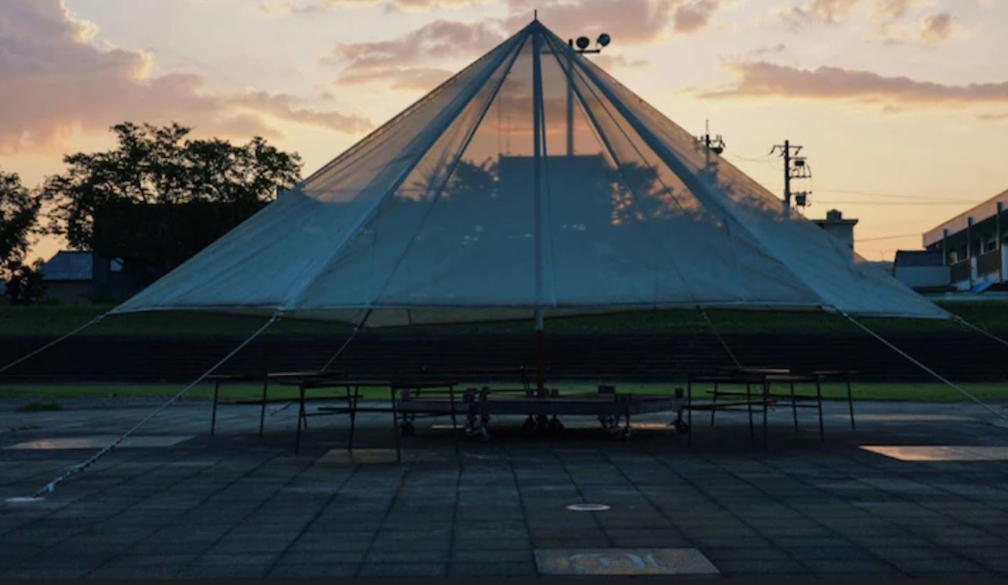
Outdoor events, trade shows, and corporate exhibitions often face an unpredictable challenge—the weather. Strong winds, pouring rain, and unbearable sun all vary accordingly, causing concern regarding the use of an outdoor tent. The right tent provides shelter and helps maintain the integrity of a brand, all rain or shine, ensuring a professional and functional event, no matter what nature brings. A printed pop-up tent can be effective when designed to be durable and stable. The tent that you select will be based on the material, structure, and usability, as well as aligning with the branding and event specifics.
Key Considerations When Choosing Weather-Resistant Event Tents
1. Durability and Design Strength in a Custom Food Booth
When choosing a tent for outdoor exhibitions or markets, the first item to determine is the tent's construction. For example, a custom food booth needs to find the balance between aesthetics and construction, since it often experiences a lot of foot traffic and weather exposure. One benefit of aluminum frames is that they are light and will not rust, while the steel frames are much stronger and more suitable for long-term use. Another important consideration is the fabric.
Materials like polyester or PVC-coated fabrics are often used because they are water-resistant and UV safe, as well as tear-resistant. Tents with reinforced stitching, crossbars, and anchoring systems are helpful to stabilize the tent in sudden weather changes. The longer the tent lasts, the less often it needs to be replaced when trying to maintain the same quality of presentation when showcasing events.
2. Ease of Assembly and Mobility
While safety in construction is critical, safety in use is equally important. The ultimate tent should be easy to set up, take down, and move. Pop-up frames, telescoping legs, and quick lock systems reduce setup time, allowing vendors to focus on presenting their product instead of logistics. For companies doing multiple outdoor events throughout the year, large-format tents add some value based on portability. Small packs, lightweight materials, and tool-free assembly methods reduce labor costs, increasing productivity. That is all true; there are heavy-duty weather or bulky functions and options.
3. Structural Stability and Wind Resistance
Wind conditions are one of the biggest aspects of outdoor trade shows. Quality tents are wind-rating tested so they can sustain gusty winds. You can add items to improve stability, such as ground stakes and weighted bases or cross-tension frame systems. If the roof system is tensioned, this canopy fabric is pulled tight across the frame; it prevents pooling water and reduces the chances of collapse.
Choose a tent that has been rated at least 30-40 mph in wind-resistant conditions if you are in an area where strong winds and storms are more prevalent. You can also add side walls or other connectable modules, adding resilience to the overall structure that can help create rigidity in the tent design, as fashion allows.
4. Aesthetic Adaptability and Branding Potential
Besides protecting you from the elements, a tent also showcases your brand's identity. With custom printing, you can add your logo, colors, and messaging to enhance your brand awareness at events. Furthermore, your tent's look can show your brand's commitment to visitors. You can also add visual elements to your tent with branded furniture. If you are a vendor that has a regular temporary presence, illustrate how all of the tent types add to an overall brand aesthetic for each tent structure, from food booths to demonstration areas.
5. Weatherproofing and Fabric Technology
The essential purpose of a tent is to provide protection, and thus, fabric technology is one of the primary features of consideration. Weatherproof tents use advanced coatings and laminations to repel water, block harmful UV rays, and prevent color fading. Water-resistant zippers, seam-sealed joints, and reinforced panels all contribute to helping keep the interior dry and protected during rain. In addition, fire-retardant materials often require regulation for public events to maximize safety.
Adequate ventilation is just as important to let air circulate and reduce condensation, managing humidity. The aim is not only to manage the weather but also to provide a comfortable and safe place for exhibitors and visitors.
End Point
Choosing the best outdoor tent also requires focus on durability, protection, and branding, not simply looks. Every element—through the technology of the materials and the treatment for waterproofing and portability—aligns to build for durability in the long term. Knowing the structure and design will also help to ensure you are ready for every season, regardless of rain, wind, or sunshine, whether it be one of our custom food booths or a printed pop-up tent.