Why Product-Specific Packaging Matters
- Written by: Times Media
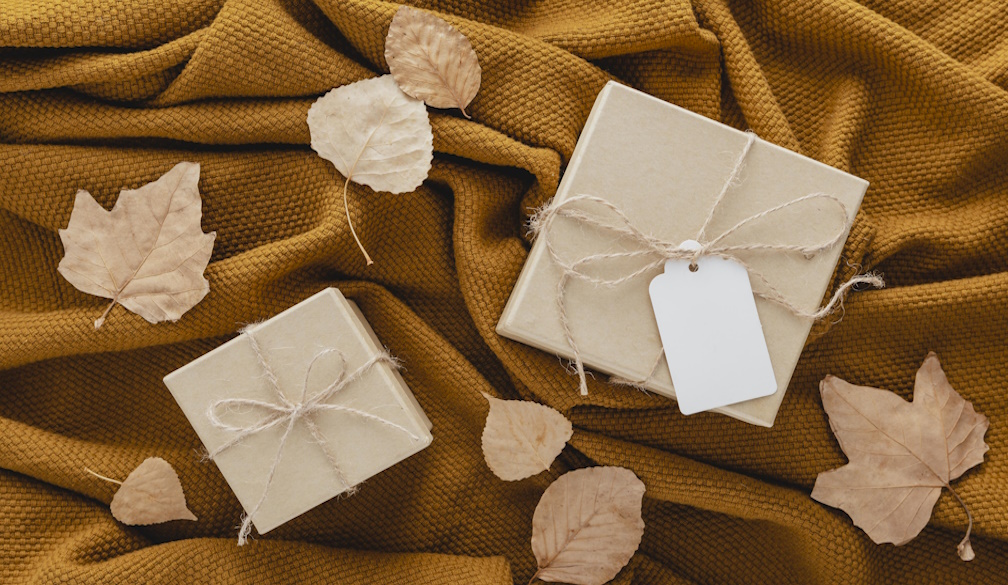
In today's competitive marketplace, packaging is much more than a protective layer around a product. It plays a direct role in customer satisfaction, brand recognition, and even purchasing decisions. While standard packaging may seem like a cost-effective option, it often falls short when it comes to protecting products, enhancing presentation, and creating memorable customer experiences.
This is where product-specific packaging makes a difference. Packaging designed specifically for a product's size, shape, weight, and purpose helps businesses reduce damage, improve efficiency, and strengthen their brand identity. Whether you're selling cosmetics, electronics, jewelry, candles, or premium gifts, choosing the right packaging can have a lasting impact on your business.
What Is Product-Specific Packaging?
Product-specific packaging is custom-designed to match the exact requirements of a particular product. Instead of using one-size-fits-all packaging, businesses create packaging that offers the ideal fit, protection, and presentation.
For example, luxury items often use a custom rigid box because it provides exceptional durability while creating a premium unboxing experience. Fragile products may require a custom box insert to keep every component securely in place during shipping and handling.
The goal is simple: provide better protection while enhancing the customer's overall experience.
Better Protection Means Fewer Damaged Products
One of the biggest advantages of product-specific packaging is superior product protection.
Products that move around inside oversized boxes are more likely to suffer scratches, dents, or breakage during transportation. Properly fitted packaging minimizes empty space and keeps items secure throughout the shipping process.
A carefully designed custom rigid box offers excellent structural strength for premium products, while a well-designed custom box insert prevents delicate items from shifting inside the package.
This added protection helps businesses:
- Reduce product damage
- Lower return rates
- Save replacement costs
- Improve customer satisfaction
Less damage also means fewer customer complaints and better online reviews.
Creates a Strong First Impression
Customers often form opinions about a brand before they even use the product. Packaging is usually the first physical interaction they have with your business.
High-quality product-specific packaging communicates professionalism, attention to detail, and quality. When customers receive a package that looks organized, attractive, and thoughtfully designed, they naturally develop more confidence in the brand.
Luxury packaging is especially important for products such as:
- Jewelry
- Cosmetics
- Watches
- Electronics
- Premium gifts
- Fragrances
The packaging itself becomes part of the overall product experience.
Improves the Unboxing Experience
The popularity of social media has made unboxing an important part of modern marketing.
Customers enjoy sharing visually appealing packaging on platforms like Instagram, TikTok, and YouTube. Beautiful packaging encourages organic user-generated content that introduces your brand to new audiences.
A product secured inside a premium custom rigid box with a precisely designed custom box insert creates a polished presentation that customers remember long after opening the package.
Small details like neat organization, secure placement, and premium materials make the experience feel more valuable.
Supports Stronger Brand Identity
Your packaging should instantly communicate your brand's personality.
Every design element contributes to your brand image, including:
- Colors
- Typography
- Logo placement
- Material selection
- Finishing options
- Interior presentation
Consistent packaging helps customers recognize your products wherever they encounter them.
For luxury brands, premium packaging reinforces exclusivity. For eco-conscious businesses, sustainable packaging reflects environmental responsibility. Every choice should align with your brand values and customer expectations.
Improves Shipping Efficiency
Product-specific packaging isn't just about appearance—it also improves logistics.
Boxes designed to fit products properly require less filler material and maximize shipping efficiency. Smaller, better-fitting packages can:
- Reduce shipping costs
- Save storage space
- Simplify warehouse operations
- Speed up packing processes
Businesses shipping large order volumes often find that customized packaging leads to noticeable operational savings over time.
Reduces Material Waste
Oversized packaging uses unnecessary cardboard, plastic fillers, and protective materials.
Product-specific packaging minimizes waste by using only the materials needed to safely protect the product.
This approach benefits both businesses and customers by:
- Lowering packaging costs
- Reducing environmental impact
- Supporting sustainability goals
- Creating cleaner, more organized packaging
Consumers increasingly appreciate brands that make environmentally responsible packaging decisions.
Enhances Customer Satisfaction
Customers appreciate packaging that feels carefully designed.
When a product arrives safely and looks professionally presented, customers are more likely to:
- Leave positive reviews
- Recommend the brand
- Make repeat purchases
- Share their experience online
Small improvements in packaging often create lasting impressions that influence long-term customer loyalty.
Adds Value to Premium Products
Premium products deserve premium packaging.
Items with higher price points often require packaging that reflects their quality. A luxury presentation helps customers feel confident that they made the right purchase.
A sturdy custom rigid box communicates durability and elegance, while a precision-engineered custom box insert enhances organization and keeps every item perfectly positioned.
The result is packaging that complements the product instead of simply containing it.
Choosing the Right Product-Specific Packaging
When designing packaging, businesses should consider:
- Product dimensions
- Weight
- Fragility
- Shipping conditions
- Customer expectations
- Brand identity
- Sustainability goals
- Budget
Working with experienced packaging professionals helps ensure the final packaging balances protection, functionality, and visual appeal.
The best packaging solutions are designed with both the product and the customer in mind.
Final Thoughts
Product-specific packaging is an investment that delivers value far beyond product protection. It strengthens branding, improves customer experiences, reduces shipping damage, supports sustainability, and increases operational efficiency.
Whether you're packaging luxury goods, electronics, cosmetics, or specialty products, choosing the right solution can significantly influence how customers perceive your brand.
A thoughtfully designed custom rigid box paired with a secure custom box insert creates packaging that protects products while delivering a memorable unboxing experience. In a competitive market, these details can make a meaningful difference in customer satisfaction, brand loyalty, and long-term business growth.