


How Gift Cards Make Last-Minute Gifting Easier
- Written by: Times Media
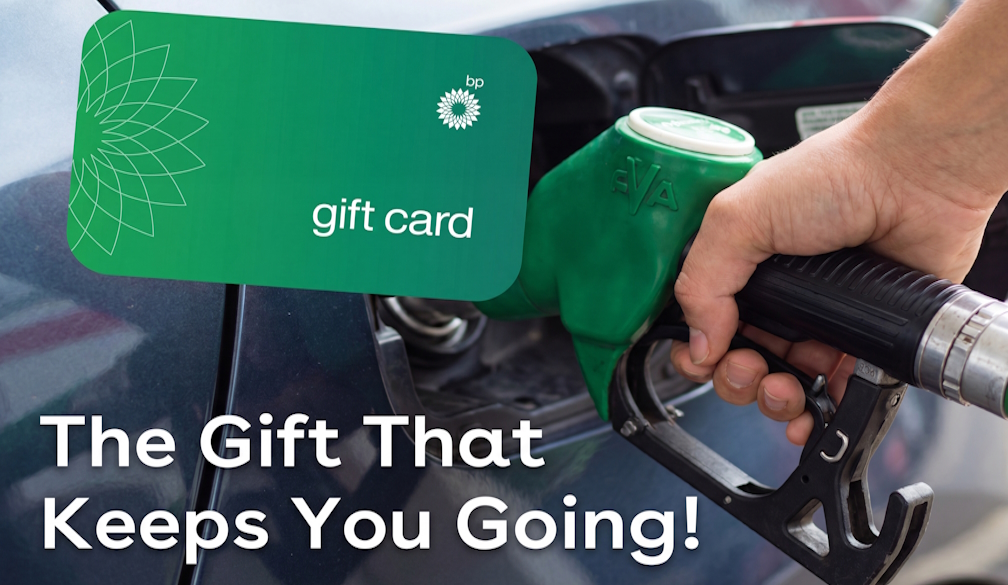
We've all been there. A birthday sneaks up on you, a colleague's farewell gets announced mid-week, or a celebration you completely forgot about is suddenly tomorrow. You want to give something meaningful, but time has other plans.
Last-minute gifting is one of those situations where even the most organised people find themselves scrambling. It's not about forgetting to care. It's about life moving fast, and sometimes the calendar wins. Gift cards exist precisely for these moments, and they do the job better than most people expect.
The Problem With Last-Minute Shopping
Most people underestimate how quickly their options disappear when time runs short. A week out, you have plenty of choices. A day out, and the picture looks very different.
Popular products sell out fast, especially around key dates and holidays. Standard delivery windows stretch across several business days, and even express shipping doesn't always guarantee the parcel arrives when you need it to. You end up settling for whatever happens to be available, not what would actually make the person feel appreciated.
There's also the energy cost. Rushing through shops, comparing options under pressure, second-guessing every choice, it's exhausting. And after all of that effort, there's still no guarantee the gift will land the way you hoped.
Gift cards cut through all of that. Instead of scrambling to find something that might work, you're giving the person something that definitely will.
No Guesswork, No Wrong Answers
Buying a gift for someone involves a surprising amount of guesswork, even when you know them well. You have to think about their taste, their current wardrobe, what they already own, what they've mentioned wanting, and whether your idea of a good gift matches theirs. Get one thing wrong and the whole thing falls flat.
A gift card sidesteps every one of those decisions. You choose the value, and the recipient gets to decide exactly how to use it, whether that's on something they've been eyeing for months, something they need right now, or something they wouldn't have thought to ask for. It's a gift that always fits, always suits, and never gets exchanged.
This also makes gift cards one of the most universally useful presents you can give. They work for particular teenagers about what they wear, parents who already own everything, coworkers you don't know well enough to shop for personally, and friends who are genuinely difficult to buy for. The flexibility is built in, and that flexibility is exactly what makes them so reliable.
Digital Gift Cards Solve the Timing Problem Completely
Physical gift cards are a great option when you're already in-store or planning ahead. But when time is genuinely tight, digital gift cards offer something nothing else can match: instant delivery.
You purchase one online, and it arrives in the recipient's inbox or on their phone within minutes. There's no trip to the shops, no packaging to sort out, and no waiting around to see if it'll arrive before the occasion. You can buy gift cards from your phone or laptop and have the whole thing sorted in under five minutes.
This is particularly valuable when the person you're gifting lives interstate. Arranging a physical delivery across cities or states takes time, and last-minute postage rarely works in your favour. A digital gift card reaches them instantly, no matter where they are in the country, and arrives in perfect condition every single time.
A Thoughtful Gift for Every Occasion
There's a common assumption that gift cards are impersonal, a fallback for people who couldn't think of anything better. In reality, a well-chosen gift card is one of the most considered presents you can give, because it puts the recipient's preferences at the centre of the decision.
Gift cards work across a much wider range of occasions than most people realise. They're a natural fit for birthdays and Christmas, but they're just as effective for graduations, farewell gifts, new job celebrations, thank you presents, and those moments where you want to acknowledge someone without making a big fuss about it.
Giving someone a gift card communicates something clear and genuine: you want them to have something they'll actually enjoy, not something you guessed at. That intention comes through, regardless of whether the gift was planned a month ahead or the evening before.
The Value of Keeping It Simple
There's something worth saying about simplicity in gifting. People often feel pressure to find something unique or impressive, and that pressure grows significantly when time runs out. The result is usually a gift chosen out of panic rather than thought.
Gift cards take the pressure off without taking the meaning out. You still make a decision, you still choose a value, and you still put the recipient at the front of your thinking. You just don't spend two hours in a shopping centre doing it. The person on the other end gets to choose exactly what they want, and you walk away knowing the gift will actually be used and appreciated.
Final Thoughts
Last-minute doesn't have to mean low-effort or low-quality. A gift card is fast, flexible, and genuinely valued by the person who receives it. They get the freedom to choose something they actually want, and you get the confidence of knowing the gift landed well, regardless of how little time you had to find it.
Next time life catches you off guard, a gift card is the easiest way to still get it right.









